


Acne Scar Treatment in Nagoya, Japan: Treatment by a Board-Certified Plastic Surgeon
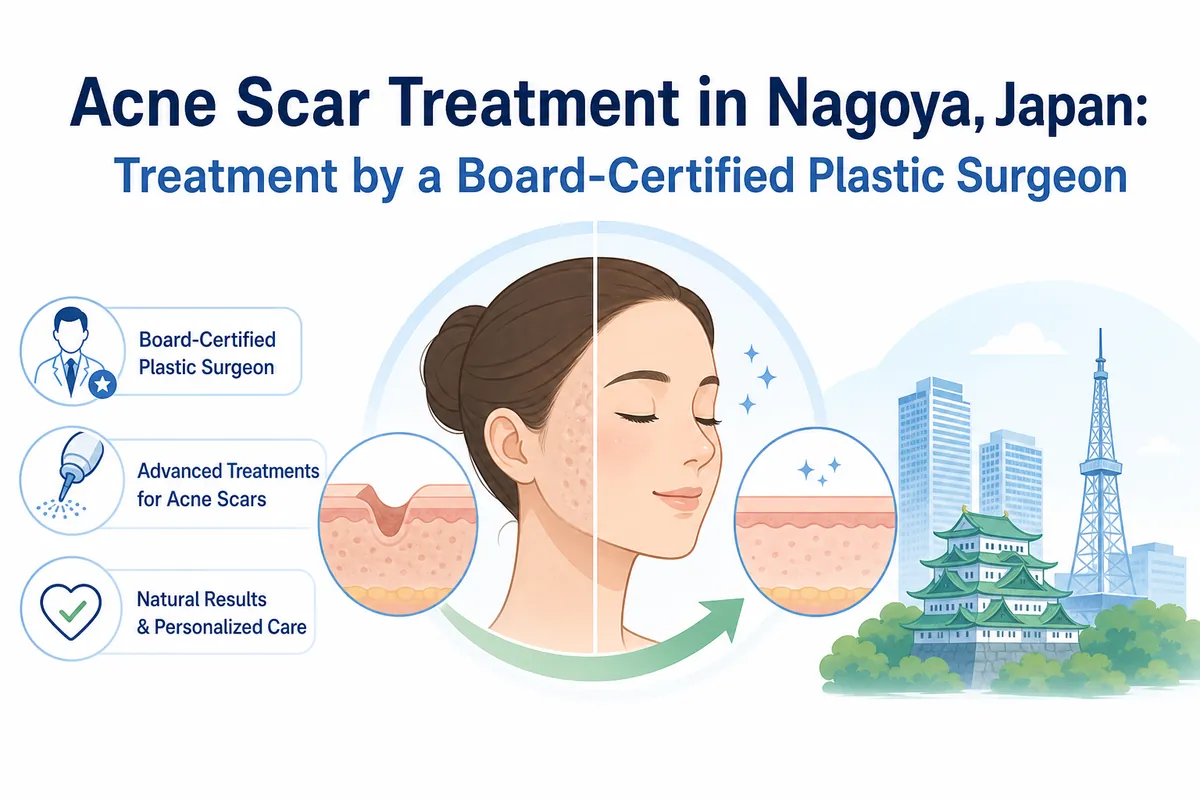
Do you feel frustrated or powerless every time you look in the mirror and see acne scars that have failed to improve despite trying countless creams and treatments? You are not alone. For many people, acne scars are more than a cosmetic concern—they can undermine self-confidence and cast a shadow over everyday life. Like painting over cracks in a wall, you may have spent considerable time and money on temporary, surface-level solutions, only to be left wondering which treatment truly works. At our clinic in Nagoya, we hear these concerns from patients every day.
But what if the key to smoother, healthier-looking skin lies not in a single powerful laser, but in a strategic, architect-like approach that rebuilds the skin’s underlying structure? Modern dermatologic treatment has evolved far beyond one-size-fits-all solutions. In fact, a landmark 2024 meta-analysis combining the results of 56 high-quality clinical trials concluded that combination therapy is significantly more effective than treatment with a single modality. This scientific evidence forms one of the central principles of modern acne scar management.
This article provides a definitive guide to understanding this new treatment paradigm and explores scientifically supported, advanced approaches to acne scar treatment. Which combinations are best suited to your scars—fractional CO₂ laser with subcision, or radiofrequency microneedling designed with Asian skin types in mind? By considering the type of scarring, your skin characteristics, and your lifestyle, we will help you understand how to select an appropriate treatment strategy and develop a personalized “blueprint” for restoring smoother skin and renewed confidence.
An Evidence-Based Approach to Acne Scar Removal in Nagoya
We understand that acne scars can be more than just a skin issue; they can deeply affect your confidence and how you feel every day. As a physician, I frequently see patients who feel frustrated and helpless, having tried countless over-the-counter creams and treatments with little to no success. It’s disheartening to look in the mirror and see these permanent reminders of past breakouts, and many people feel lost about which treatments actually work.
In the past, many approaches only addressed the skin’s surface. Think of it like painting over a crack in a wall—it might look better for a short time, but the underlying structural problem remains. Today, however, the most effective acne scar treatments are built on a foundation of solid scientific evidence. Instead of temporary cosmetic fixes, a modern, evidence-based approach focuses on structurally repairing the skin’s foundation, which has been damaged by deep inflammation. This is especially crucial for stubborn, indented scars like sharp “ice pick” craters or broader “boxcar” depressions. At our Nagoya clinic, we utilize this advanced understanding to diagnose the exact nature of your scarring and, like a skilled architect, create a blueprint to rebuild the skin from its deeper layers, aiming for a permanent and natural-looking improvement backed by clinical research.
Leveraging the latest clinical research for superior results.
To achieve the best outcomes, our treatment plans are built on the latest and most robust clinical data, not on passing trends. For instance, a major 2024 systematic review, which analyzed the combined results of 56 different high-quality randomized controlled trials, came to a powerful conclusion: combination therapy is significantly more effective than any single treatment used alone. This isn’t just a minor improvement; the difference is substantial.
This landmark research highlights that specific combinations yield superior results. Notably, pairing a fractional CO2 laser with procedures like subcision or PRP (Platelet-Rich Plasma) therapy showed the greatest physical improvement in scars and, just as importantly, resulted in much higher patient satisfaction.
Let’s break down what that means in practice:
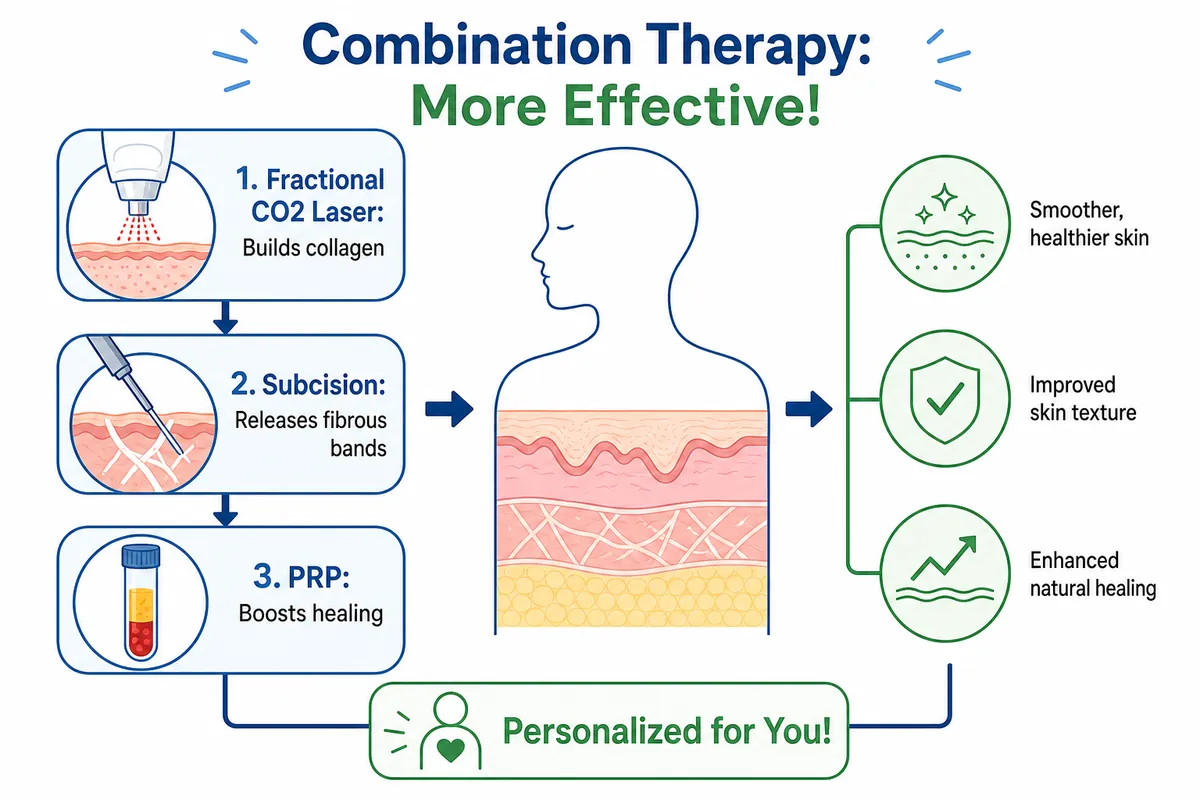
- Fractional CO2 Laser: This laser creates thousands of microscopic treatment zones, removing damaged skin and triggering a powerful healing response that builds new, healthy collagen.
- Subcision: This is a precise technique where a special needle-like device is used to release the tough, fibrous bands under the skin that are pulling the scar down and creating the indentation.
- PRP (Platelet-Rich Plasma): This involves using a concentration of your own blood’s platelets, rich in growth factors, to supercharge the healing process initiated by the laser or other procedures.
However, science also tells us that the “best” treatment is not one-size-fits-all. A truly evidence-based approach involves personalizing the plan. The optimal combination for you is determined by a careful diagnosis of several key factors:
- Your Scar Type: The strategy for a deep, narrow ice-pick scar is entirely different from that for a wide, rolling scar. One requires a precise, deep intervention, while the other may need a technique that lifts a broader area of tissue.
- Your Skin Type: We pay close attention to your skin’s natural tone and sensitivity. For Asian skin, which can be more prone to post-inflammatory hyperpigmentation (dark spots), we must choose our lasers and settings with extreme care to avoid trading a scar for a different cosmetic issue.
- Your Lifestyle and Downtime: Your ability to accommodate social downtime is a critical factor. A patient with a public-facing job may prefer a series of gentler treatments with minimal recovery time, whereas a university student on break might opt for a more intensive procedure to achieve results more quickly.
- Your Personal Goals: We start by listening. Are you seeking a 50% improvement to feel comfortable without makeup, or are you aiming for the smoothest possible texture? Your goals define our endpoint.
By integrating these scientific findings with a deep understanding of your individual needs, we don’t just follow trends; we apply proven science to create a customized, effective, and safe roadmap for your skin’s recovery.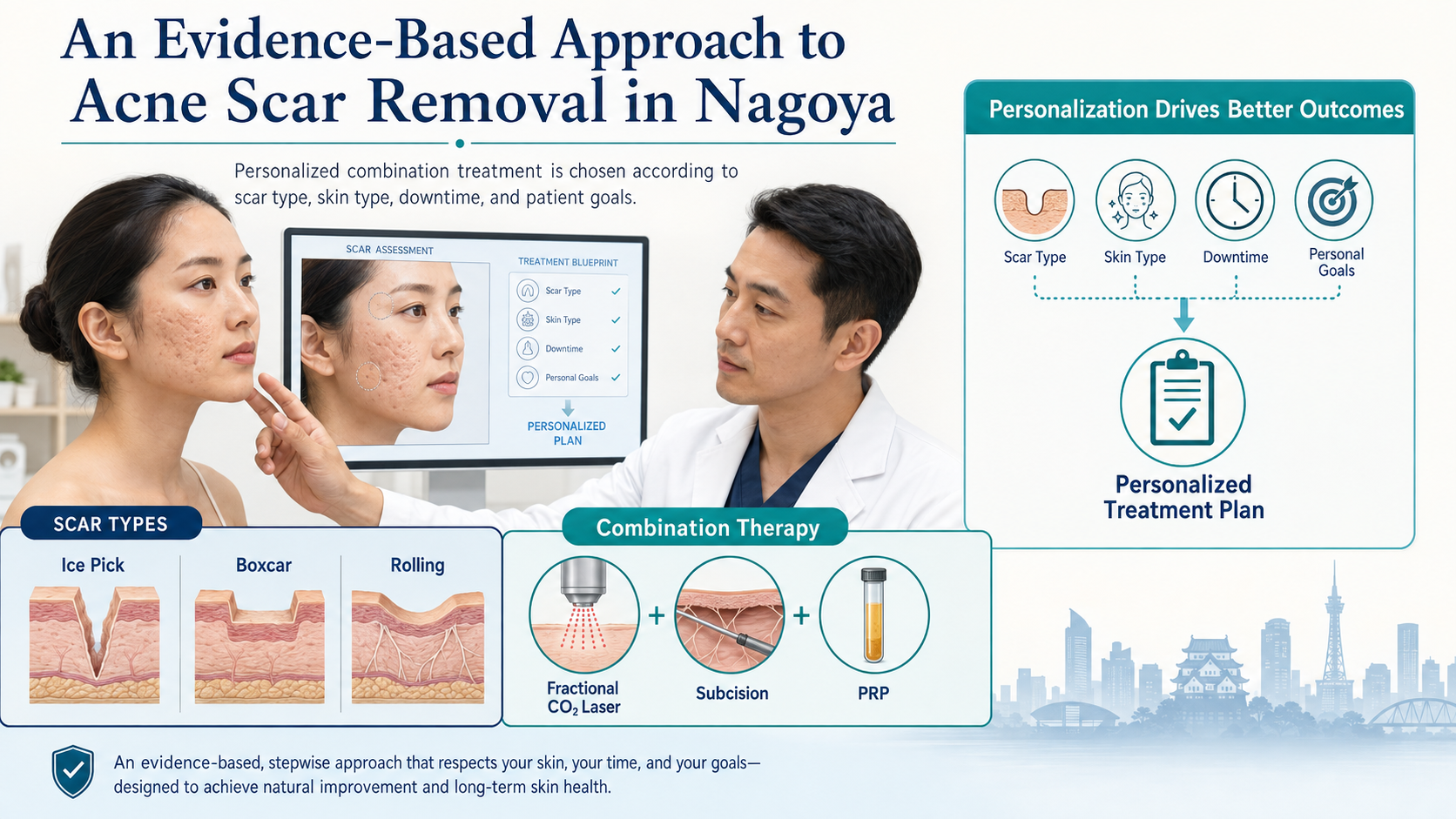
The Power of Combination Therapy: More Effective Than Single Treatments
Many patients who visit our clinic in Nagoya come to us feeling disheartened. They often share stories of trying a single, expensive laser treatment or a course of microneedling, only to see minimal improvement in their acne scars. As a physician, I completely understand this frustration. It’s easy to feel like you’ve wasted time and money when the mirror still shows the same indentations that affect your confidence every single day.
The simple truth is that most significant acne scars are a complex, three-dimensional problem. They are not just surface-level discolorations; they are structural damage. Think of it like a pothole in a road. Simply painting over it won’t fix the dent. You have to break up the damaged base, fill the hole, and then smooth the surface. This is why a single treatment method, used in isolation, is often destined to fall short.
This isn’t just our clinical opinion; it’s a conclusion strongly supported by extensive medical research. For instance, a major 2024 network meta-analysis that pooled the data from 56 high-quality clinical trials came to an unequivocal conclusion: combination therapy is significantly more effective than any single treatment used alone. The study found that combining treatments doesn’t just lead to better physical improvement of the scars—it results in much higher patient satisfaction. This is our guiding principle: to use a multi-faceted approach that rebuilds the skin’s architecture for a permanent, smooth, and natural-looking result.
Synergistic Effects: Why Combining Treatments Works Best
The superior results of combination therapy are due to a powerful principle called “synergy,” where different treatments work together to produce an effect greater than the sum of their parts. To understand this, imagine a deep scar is like a small tent that has collapsed because a rope is pulling the center of the fabric down to a stake in the ground.
- Cutting the Rope (Subcision): First, you must cut the rope that’s pulling the tent down. In your skin, these “ropes” are tough, fibrous bands of scar tissue that tether the skin’s surface to the deeper layers. Subcision is a precise medical technique where a special instrument is inserted under the skin to release these bands. This single step is often the most critical for “tethered” scars, like deep boxcar or rolling types, as it allows the depressed skin to physically lift up.
- Rebuilding the Foundation (Energy-Based Devices): Once the skin is released, there is an empty space underneath that needs to be filled. This is where energy-based devices come in. A Fractional CO2 Laser acts like a powerful resurfacing tool, creating thousands of microscopic columns of thermal injury. This triggers an intense healing response, signaling your body to produce a massive amount of new collagen—the skin’s natural scaffolding—to fill in the scar from below.
- A Gentler, Safer Alternative (RF Microneedling): While the CO2 laser is a gold standard, it’s not always the best choice for everyone, especially for Asian skin which can be more susceptible to post-inflammatory hyperpigmentation (PIH), or the temporary dark spots that can appear after treatment. A landmark split-face trial directly compared the Fractional CO2 laser to Radiofrequency (RF) Microneedling. The study found that while both treatments delivered excellent and comparable scar improvement, RF Microneedling was the clear winner in terms of safety and recovery. Patients experienced less redness, less pain, and a much shorter downtime. Most importantly, the risk of PIH was significantly lower, and patient satisfaction with safety was much higher. This makes it an outstanding choice for those concerned about recovery time or skin discoloration.
By combining these methods—releasing the tether and then rebuilding the collagen foundation—we can achieve a level of improvement that a single method could never accomplish on its own.
Our Philosophy: Custom Blending Lasers, Microneedling, and Subcision
At our clinic, we firmly reject the idea of a one-size-fits-all “acne scar package.” I see my role as that of a “skin architect.” Just as an architect would never use a generic blueprint to build on a unique piece of land, I would never apply a pre-set treatment plan to your individual face. Your scar types, skin condition, and lifestyle are unique, and your treatment plan must be designed to reflect that.
Our process always begins with a thorough diagnostic consultation. I’ll carefully examine your scars, identifying their types—are they deep, narrow “ice pick” scars, wider “boxcar” depressions, or undulating “rolling” scars? We’ll discuss your skin’s history, your lifestyle, and your ultimate goals. Based on this comprehensive picture, we co-create your personalized blueprint.
Here are a couple of examples of how this works in practice:
- Scenario for Deep, Tethered Scars: A young man in his 20s comes to us with deep, sharp-edged boxcar scars on his cheeks from severe cystic acne in his teens. He works from home and can tolerate about a week of social downtime. His blueprint would likely start with Subcision to mechanically break the strong fibrous tethers. This would be followed by a series of Fractional CO2 Laser treatments to aggressively stimulate collagen and smooth the sharp scar edges. This powerful combination, highlighted in the 2024 meta-analysis as a top-tier option, is ideal for achieving maximum textural improvement.
- Scenario for Mixed Scars with Pigmentation Risk: A woman in her 30s has a mix of rolling scars and surface texture issues. Her primary concern, however, is her skin’s tendency to develop dark spots after any irritation. She has a public-facing job and cannot afford significant downtime. Her blueprint would look very different. We would prioritize RF Microneedling, which delivers its collagen-stimulating energy deep into the dermis while keeping the surface skin relatively safe. As the clinical trial showed, this provides excellent scar improvement with a much lower risk of pigmentation and a quicker recovery. We might pair this with PRP (Platelet-Rich Plasma), using her own blood’s growth factors to accelerate healing and further enhance the skin-rebuilding process.
Our goal is not to sell you procedures. It is to enter a partnership, create a realistic and effective plan based on the strongest scientific evidence, and empower you on your journey to achieving skin you can feel truly confident in.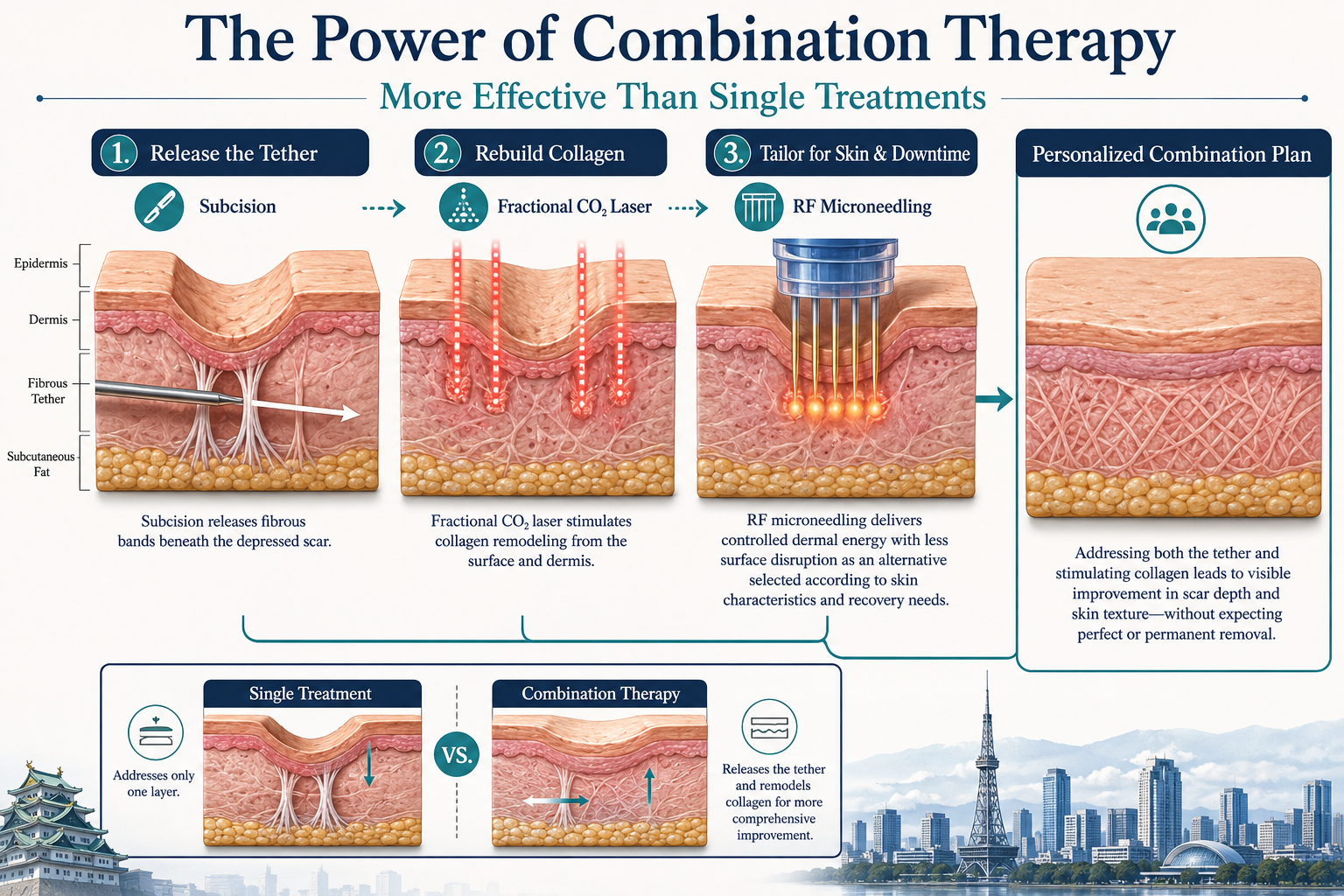
Advanced Protocols Backed by Science
As a physician, I see firsthand how the emotional weight of acne scars can be just as significant as the physical marks they leave. Many patients who walk into our Nagoya clinic feel like they’ve hit a dead end. They’ve spent years and significant money on skincare products that promised the world but delivered little, leaving them feeling frustrated and even hopeless every time they look in the mirror. It’s a deeply personal struggle. But I want to assure you that the field of dermatology has made incredible leaps forward. We’ve moved beyond temporary, surface-level fixes and now have the tools to act as “skin architects,” rebuilding the damaged foundation of your skin using protocols grounded in solid scientific evidence.
IPL + Fractional CO2 Laser: Targeting Inflammation and Scars Simultaneously
One of the most common challenges I see is patients battling two wars at once: the lingering redness and inflammation from ongoing acne, and the indented, atrophic scars left in the aftermath. It’s like trying to repair a road while traffic is still causing damage. A truly effective strategy must address both issues. That’s why one of our most powerful, evidence-based protocols is the combination of Intense Pulsed Light (IPL) and the Fractional CO2 Laser.
This two-step approach is methodical and synergistic:
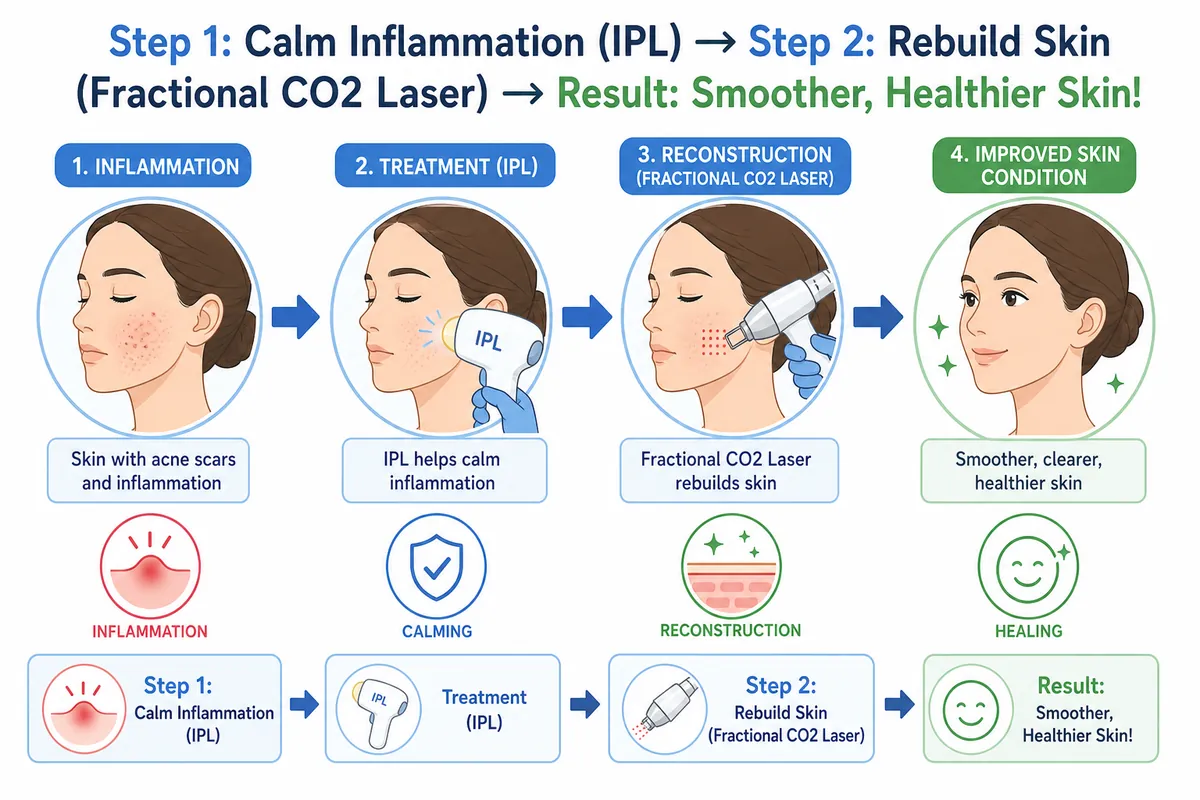
- Putting Out the Fire (IPL): First, we calm the active inflammation. As a physician, my initial priority is to stabilize the skin. IPL is a light-based therapy that excels at this. It precisely targets and reduces the red and brown discoloration (what we call post-inflammatory erythema and hyperpigmentation) that makes scars look more prominent. A key clinical study in the Journal of Dermatological Treatment demonstrated that a series of IPL treatments significantly decreased not only the visible inflammation and redness (measured by the Erythema Index) but also oil production (sebum levels), creating a healthier and more stable canvas for the next step.
- Rebuilding the Foundation (Fractional CO2 Laser): Once the “fire” is out, we begin the reconstruction. The Fractional CO2 Laser is a gold-standard resurfacing tool that creates thousands of microscopic treatment columns deep into the skin. This triggers a powerful, controlled healing response, signaling your body to produce a flood of new, healthy collagen. This new collagen matrix pushes up from below, filling in the indentations of atrophic scars and dramatically smoothing the skin’s surface.
The same study confirmed how effective this one-two punch is. Patients who underwent this combination protocol saw significant improvements in both their inflammatory acne and their scars. In fact, nearly 80% of patients rated their results as “excellent” or “good,” and these positive effects were shown to be durable, lasting for at least six months. This makes it an outstanding option for those who feel they are fighting a losing battle on both fronts.
Enhancing Microneedling with PRP for Faster Healing and Better Results
Microneedling is a fantastic treatment that uses fine needles to create controlled micro-injuries, which in turn stimulates your skin’s natural collagen production. But what if we could give that natural healing process a potent, biological boost? That’s precisely what we do when we combine microneedling with Platelet-Rich Plasma (PRP).
PRP is a concentrated solution of healing growth factors derived from a small sample of your own blood—think of it as a personalized, supercharged healing serum. When applied to the skin immediately after microneedling, it soaks into the micro-channels and gets to work. The benefits, supported by multiple scientific reviews, are clear:
- Enhanced Results: The growth factors in PRP amplify the collagen-building signal sent by microneedling, leading to more significant improvement in the texture and depth of acne scars.
- Faster, More Comfortable Recovery: For many of my patients, this is the most compelling advantage. A major overview of 15 different systematic reviews found that adding PRP to procedures like microneedling or lasers significantly shortens the duration of redness (erythema) and scabbing. This means less social downtime and a quicker return to your daily life.
- Increased Patient Satisfaction: Better results and a smoother recovery naturally lead to happier, more confident patients.
As your physician, it is my duty to provide a transparent and honest assessment of the evidence. While the clinical benefits are widely observed, the same large-scale review noted that the overall scientific certainty for PRP is still considered “low to moderate” because of inconsistencies in how different studies were performed. This doesn’t mean the treatment is ineffective—we see its benefits in our clinic every day—but it highlights that it’s a rapidly evolving field. We offer this combination because of its excellent safety profile and its proven ability to accelerate healing, which makes a world of difference in our patients’ treatment experience.
Gas Subcision with PDLLA (Juvelook): A Hybrid Approach for Atrophic Scars
Some of the most stubborn and frustrating acne scars are the “tethered” types, like rolling or deep boxcar scars. Imagine the surface of your skin is like the fabric of a tent, and strong, fibrous bands of old scar tissue are like ropes pulling that fabric down, creating a visible depression. To fix the dent, you must first cut the ropes. This is what a procedure called subcision does. A comprehensive 2022 review of clinical trials confirmed that subcision is a safe and highly effective method for these types of scars. At our clinic, we exclusively use a blunt-tipped cannula instead of a sharp needle for this process, a choice supported by the same research, as it leads to significantly less bruising and higher patient satisfaction.
Now, an even more advanced “hybrid” approach elevates this concept by combining the mechanical release of subcision with a powerful biological stimulus.
- Gas Subcision: Instead of only using a cannula to manually break the tethers, we can use a precise burst of sterile CO2 gas. A pioneering pilot study showed this technique gently and effectively dissects the fibrous bands. The gas itself also provides a therapeutic benefit by improving blood flow and microcirculation in the treated area, preparing the tissue for regeneration.
- PDLLA (Juvelook) Injection: Immediately after the scar is released, we inject Juvelook. This is not a traditional filler that simply adds temporary volume. PDLLA is a “bio-stimulatory filler,” meaning it creates a scaffold or framework under the skin. Over the next several months, your body’s own cells use this framework to build a new, dense network of natural collagen, creating long-lasting, natural-looking volume that lifts the scar from within.
A recent case series evaluating this hybrid technique found it to be a highly promising frontier in scar revision. All patients in the initial study showed clear qualitative improvement in their scars and reported very high levels of satisfaction. This innovative combination of physically releasing the scar and then biologically stimulating new collagen represents one of the most exciting and effective strategies we have for permanently reconstructing deep, atrophic scars.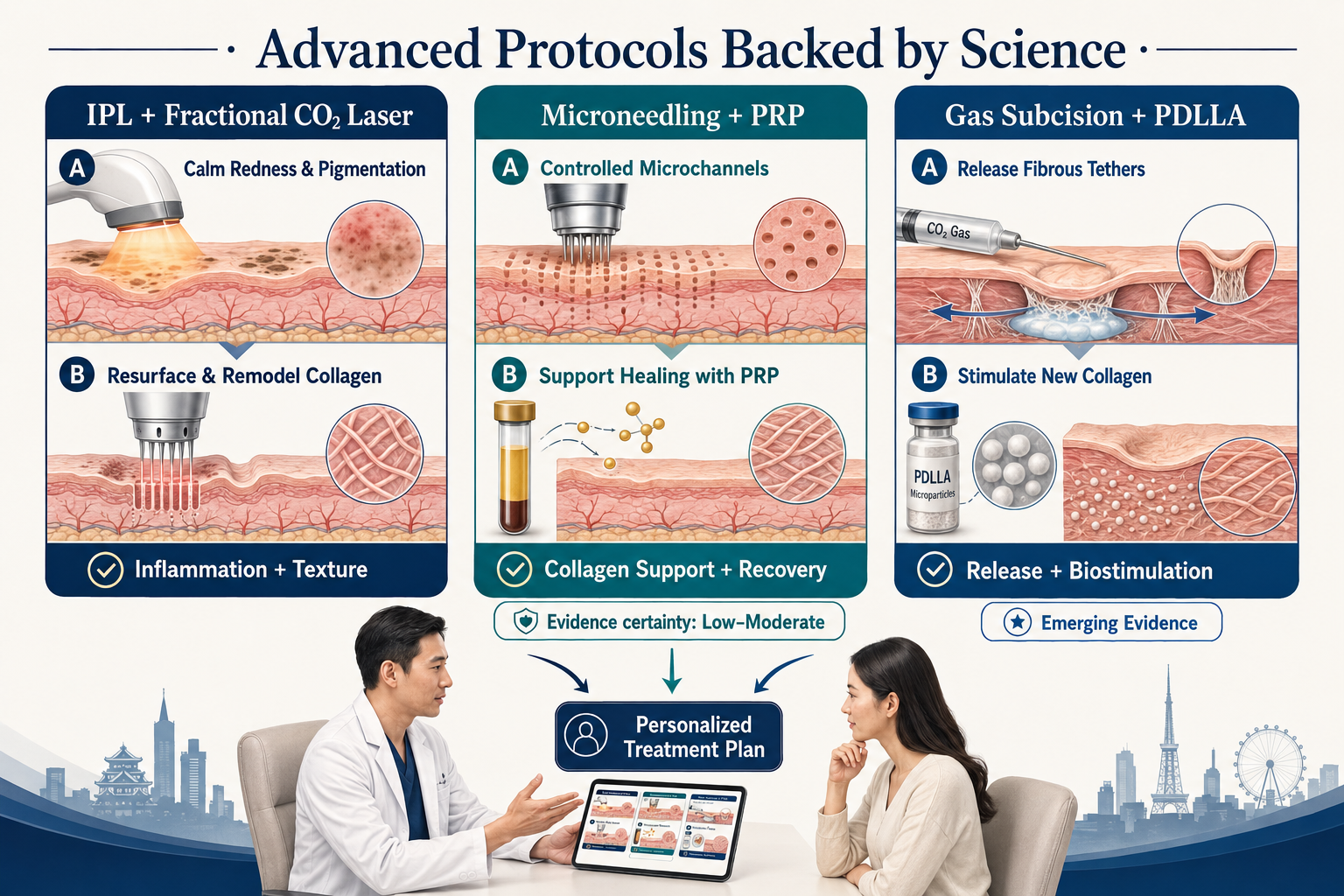
Comparing Advanced Lasers for Asian Skin
As a physician practicing in Nagoya, one of the most common and valid concerns I hear from my patients is, “Which treatment is best for me, and will it be safe for my skin?” The world of laser and energy-based devices can be incredibly confusing, and the fear of side effects—especially the persistent dark spots known as post-inflammatory hyperpigmentation (PIH) that Asian skin can be prone to—is completely understandable. You may feel like you have to choose between a powerful treatment that might cause side effects and a gentler one that might not work.
I want to reassure you that this is no longer the case. The modern, evidence-based approach is not about finding the single “strongest” or “best” device. In fact, a large 2022 meta-analysis by Zhang et al. confirmed that when compared, the clinical effectiveness of the powerful fractional CO2 laser and other non-CO2 laser therapies in improving acne scars was statistically equivalent. This means we can shift the focus from a simple question of power to a much more important, strategic one: Which technology is the perfect fit for your specific scar type, your unique skin biology, and your lifestyle? Let’s break down the three leading options based on the latest clinical science.
Fractional CO2 vs. Picosecond Laser: Efficacy and Downtime
Choosing between a Fractional CO2 laser and a Picosecond laser is a classic example of balancing profound results with recovery. Think of it as choosing between a full-scale renovation and a high-tech, precision refurbishment.
The Fractional CO2 Laser: The Gold Standard for Structural Renovation The Fractional CO2 laser is the undisputed heavyweight champion for deep, textural scars like sharp-edged “boxcar” or deep “ice pick” types. I often explain it to my patients as a controlled “demolition and reconstruction” process. The laser creates thousands of microscopic columns of vaporization, removing old, damaged scar tissue and triggering a massive healing response. This signals your body to build a brand new foundation of strong, healthy collagen, literally pushing the scar up from below.
However, this power comes with a trade-off: significant social downtime. You should be prepared for 5 to 10 days of visible recovery, during which your skin will be red, swollen, and develop a fine layer of scabs or crusts. More importantly, for our patients with Asian skin tones, there is a higher risk of developing PIH. In fact, a comprehensive 2023 meta-analysis by Batool et al. that compared multiple modalities found that the Fractional CO2 laser carried a significantly higher risk—as much as three times higher—of causing PIH compared to needling-based methods. While this pigmentation is almost always temporary, it can be distressing and last for several months.
The Picosecond Laser: The High-Tech, Low-Downtime Refurbisher The Picosecond laser works in a completely different, more elegant way. Instead of using intense heat to vaporize tissue, it delivers ultra-short pulses of energy that create a powerful photoacoustic or “shockwave” effect within the skin. This process, called Laser-Induced Optical Breakdown (LIOB), stimulates new collagen production with very little damage to the surrounding tissue.
The main advantage here is a much kinder recovery. A 2026 split-face study by Jia et al. specifically looking at Asian patients found that while both lasers they tested were effective, the picosecond laser was superior in terms of comfort during the treatment and led to a significantly shorter duration of crusting and social downtime. Patients typically experience only 1-3 days of mild redness, almost like a sunburn, making it an excellent choice for busy professionals, students, or anyone who can’t afford a week of hiding at home. It is an ideal tool for shallower scars, overall textural irregularities, and for patients whose primary concern is minimizing both downtime and the risk of pigmentation.
Radiofrequency (RF) Microneedling: A Safe Option for Reducing Pigmentation Risk
For many of my patients in Nagoya, Radiofrequency (RF) Microneedling represents the ultimate sweet spot: the efficacy of a powerful energy device combined with an outstanding safety profile. It’s an innovative technology that brilliantly solves the PIH dilemma.
Here’s the simple science behind it: The device uses ultra-fine, insulated needles to penetrate the skin and deliver a precise burst of radiofrequency (heat) energy directly into the deep dermal layer, where collagen is produced. The key is that the needle tips are not insulated, but the shafts are. This means the heat is released deep down, while the surface of the skin—the epidermis, where most of our pigment-producing cells (melanocytes) reside—is kept safe and cool. This “bypassing” of the surface is the secret to its remarkable safety.
But does it work as well as a CO2 laser? The answer from the highest level of clinical evidence is a resounding yes. A landmark 2026 split-face trial by Li et al. directly compared RF Microneedling against the Fractional CO2 laser on the same patient’s face. The results were clear:
- Efficacy: There was no significant difference in the clinical improvement of acne scars between the two treatments. Both were highly effective.
- Recovery & Safety: The side treated with RF Microneedling had significantly less pain, redness, and swelling, and a much shorter recovery time. Most critically, the incidence of post-inflammatory hyperpigmentation (PIH) was dramatically lower, leading to much higher patient satisfaction with safety.
To be completely transparent, the same Batool et al. analysis that highlighted the PIH risk of CO2 lasers also noted that the RF Microneedling procedure itself can be more uncomfortable for some patients than the CO2 laser. This makes sense, as we are delivering heat deep in the skin. We manage this proactively with very effective medical-grade anesthetic creams to ensure the treatment is comfortable. Nearly every patient agrees that a few moments of discomfort are a worthy exchange for a faster, easier recovery and peace of mind about pigmentation. This makes RF Microneedling a powerful and intelligent first-line choice for achieving excellent scar revision with a superior safety profile for Japanese and other Asian skin types.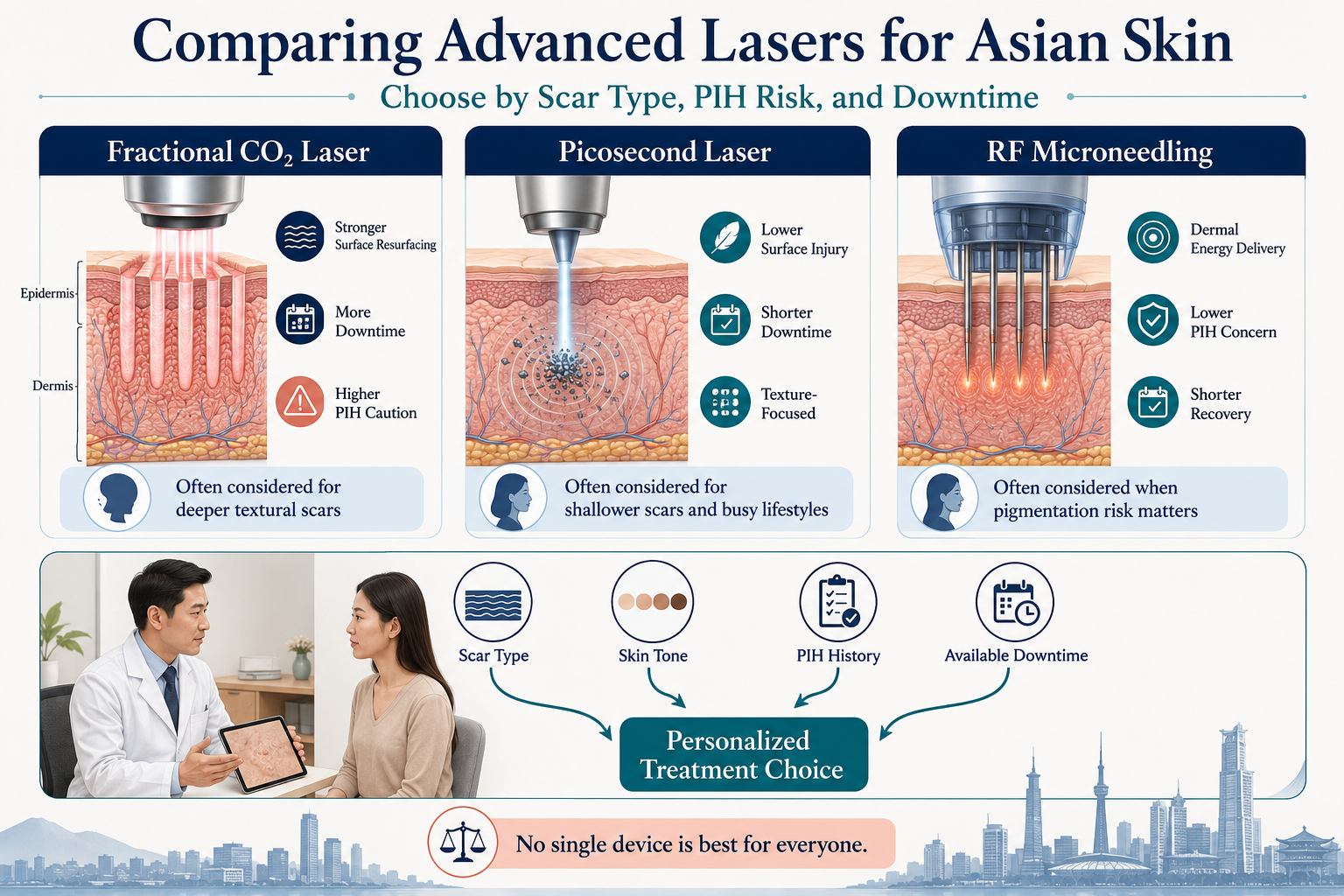
The Plastic Surgeon’s Technique for Deep and Stubborn Scars
As a plastic surgeon, I meet many patients who have almost given up hope. They come to our clinic in Nagoya with a history of trying countless creams, peels, and even single laser treatments, only to be met with disappointment when they look in the mirror. Deep, indented scars can feel like a permanent mark on your confidence, affecting everything from your social life to your professional opportunities. I want to be clear: this is not a surface-level problem, and it requires more than a surface-level solution. Treating these stubborn scars requires the mindset of a “skin architect”—someone who understands the deep, multi-layered structure of the skin and knows how to rebuild it from the foundation up.
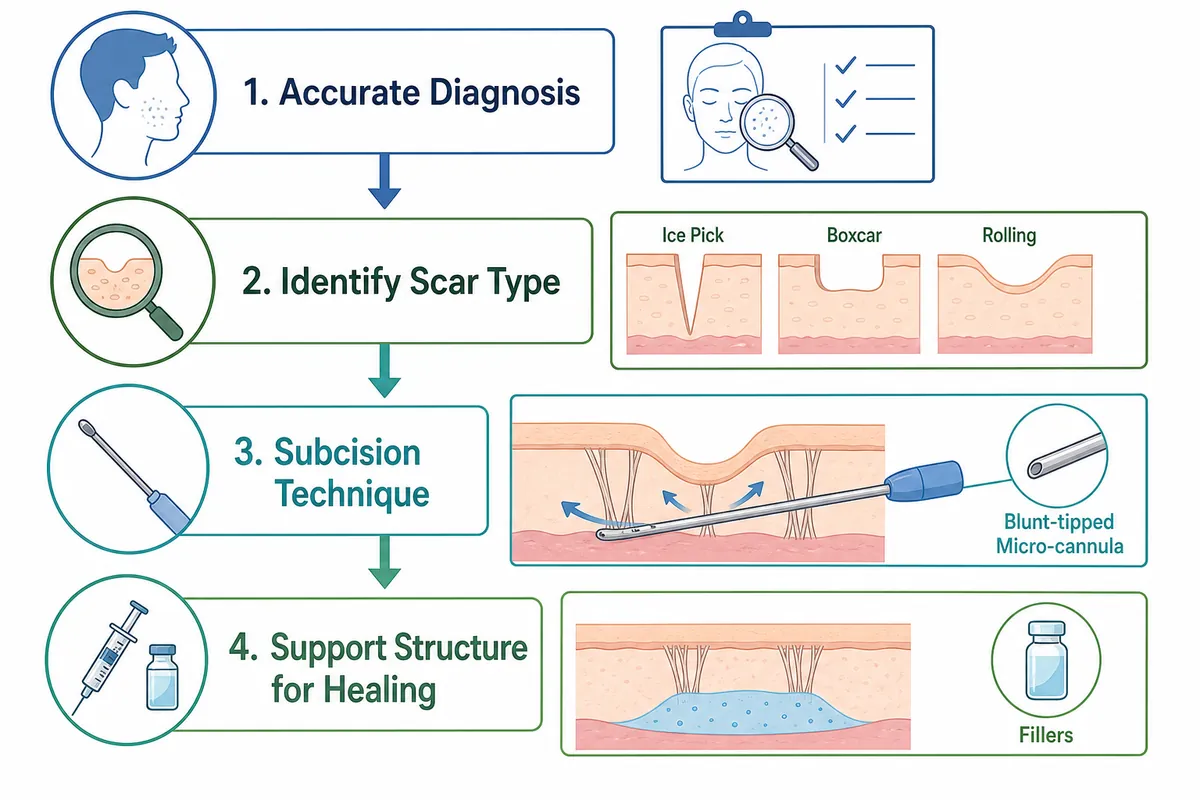
The first and most non-negotiable step in this architectural process is an accurate diagnosis. It’s a fundamental principle confirmed by extensive clinical research, including a landmark classification system proposed by Jacob et al. This isn’t just academic; applying the wrong tool to a scar is like trying to fix a foundation with a paintbrush. We must first identify the precise type of atrophic (indented) scar you have:
- Ice Pick Scars: These look exactly as they sound—like tiny, deep, narrow holes poked into the skin with an ice pick. They are often the most challenging because of their depth.
- Boxcar Scars: These are broader, crater-like depressions with sharp, well-defined vertical edges, almost like a chickenpox scar.
- Rolling Scars: These create a wave-like or undulating appearance on the skin. They are caused by underlying scar tissue pulling the skin’s surface down, creating wide, shallow dips.
For many boxcar and rolling scars, the root cause is a physical problem: tough, fibrous bands of scar tissue are acting like ropes, tethering the skin’s surface down to the deeper layers. Until you release this tension, no amount of surface treatment will allow the skin to lift. This is where a specialized surgical technique called subcision becomes the most critical and effective intervention.
I explain subcision to my patients as a simple, mechanical process: we must “cut the ropes.” The procedure involves carefully inserting a specialized instrument under the skin to precisely break these fibrous tethers. Once released, the depressed skin is immediately freed and can lift back toward a more normal, level position.
Modern subcision is far more refined and patient-friendly than its earlier versions. In the past, sharp needles were used, which often led to significant bruising and a longer recovery. Today, as a plastic surgeon, I exclusively use a blunt-tipped micro-cannula. This is a choice strongly supported by a 2022 review of multiple clinical trials, which found that while a cannula is just as effective as a needle, it is significantly safer, resulting in far less bruising and swelling, and leading to much higher patient satisfaction. Knowing the precise anatomical layers of the skin allows me to navigate this space safely, minimizing risk and maximizing results.
However, simply cutting the tethers isn’t the end of the story. The space created under the scar can heal back down and re-tether if we don’t provide support. That’s why the same 2022 review emphasized that combining subcision with another therapy to prevent re-attachment and stimulate new collagen is key to achieving the best, most lasting results. This is where the architectural rebuilding truly begins. After releasing the scar, we can introduce a “support structure” to promote healing from within, such as:
- Hyaluronic Acid (HA) Fillers: Injecting a soft HA filler into the space provides immediate lift and support, physically preventing the scar from sticking back down while your body begins its healing process.
- Platelet-Rich Plasma (PRP): We can use your own body’s powerful healing factors. PRP, derived from a small sample of your blood, is rich in growth factors that supercharge collagen production and accelerate healing.
- Bio-stimulatory Fillers (PDLLA): For a more long-term structural solution, we can inject a material like PDLLA (Juvelook), which acts as a scaffold. Over several months, your body builds its own new, dense collagen network around this scaffold, creating a durable and natural-looking lift from deep within.
This multi-faceted, surgical approach allows us to address the fundamental, structural cause of your scars. We don’t just patch the surface; we release the tension, rebuild the foundation, and empower your skin to reconstruct itself for a smooth, permanent improvement. This is the power of combining a deep anatomical understanding with evidence-based techniques to truly transform your skin.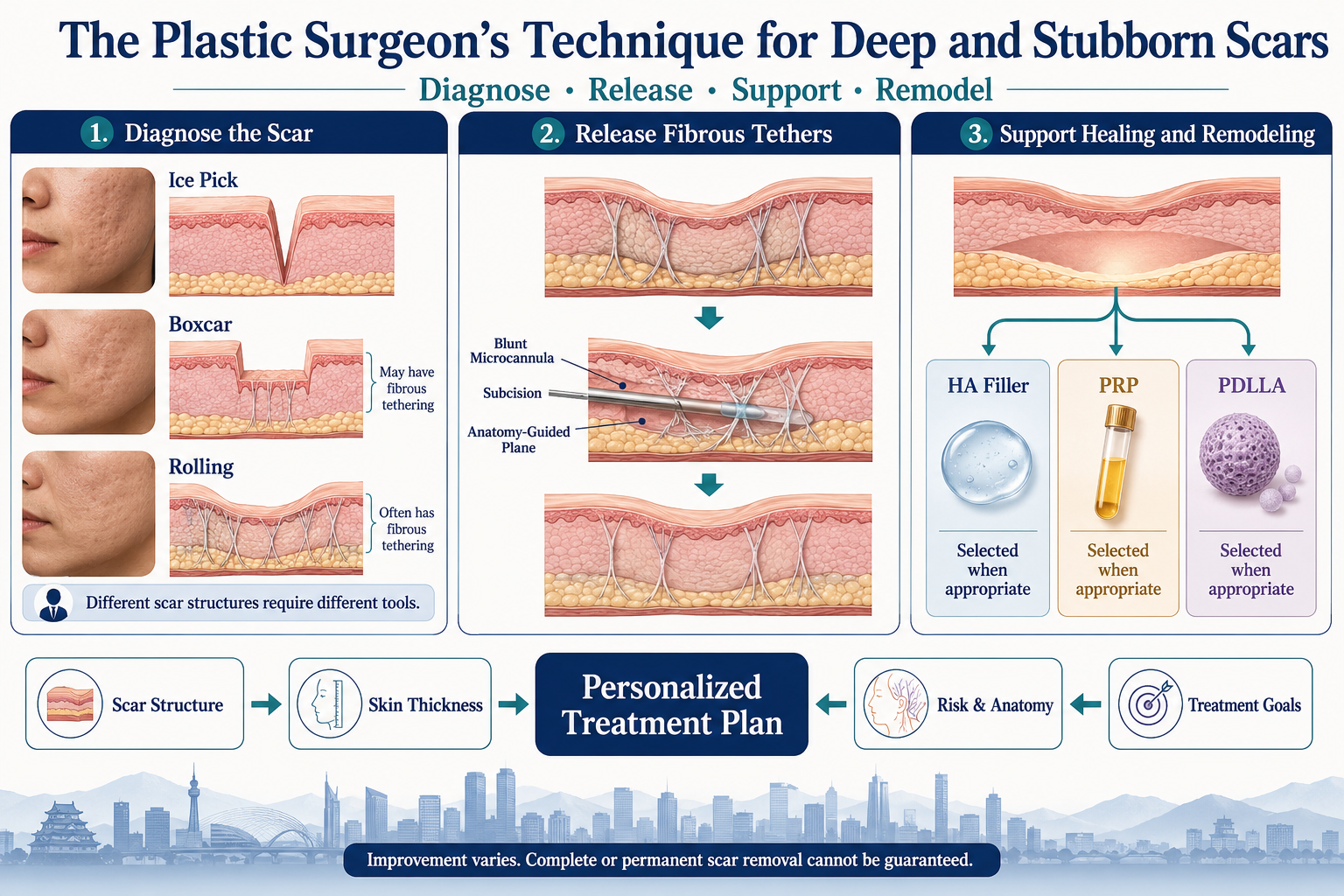
See the Research-Driven Results: Patient Case Studies
As a physician, I believe that seeing is believing. While discussing the science behind our treatments is important, what truly matters is the real-world impact on my patients’ lives. The path to smoother skin is a partnership, and I want to share a few anonymized stories from our Nagoya clinic. These cases are not just about before-and-after photos; they are about restoring confidence and helping people feel like themselves again. They illustrate how we apply the latest clinical evidence to create a personalized blueprint for skin reconstruction.
Case 1: The University Student Tired of Hiding Behind Makeup
A 24-year-old woman came to my office feeling deeply frustrated. She was a bright, outgoing university student, but she confessed that the deep “boxcar” and rolling scars on her cheeks, a remnant of her teenage acne, had eroded her confidence. She described how she would avoid certain lighting and was always conscious of the “shadows” on her face in photos with friends. She had spent a small fortune on concealers and foundations, but she was tired of covering up.
Her Personalized Blueprint & The Science Behind It: Her scars were visibly “tethered,” meaning strong fibrous bands were pulling the skin’s surface down. Our first step, therefore, had to be subcision to mechanically release those tethers. But the crucial part of her plan was what came next. Based on a major 2024 network meta-analysis by Honggang Li et al., which pooled data from numerous high-quality trials, we chose the single most effective combination identified by the research: Microneedling combined with Chemical Peels (TCA CROSS).
- Microneedling: This procedure creates thousands of controlled micro-injuries, signaling the skin to kickstart a powerful healing and collagen-building response.
- TCA CROSS (Chemical Reconstruction of Skin Scars): We used a high-concentration trichloroacetic acid (TCA) peel applied precisely into the base of each scar. This safely denatures the old scar tissue and triggers a robust inflammatory response that leads to dramatic collagen formation, pushing the scar floor up from within.
The research was unequivocal: this specific combination didn’t just provide the best physical scar improvement; it also resulted in the highest rates of patient satisfaction among all therapies studied.
The Outcome: Over a series of treatments, the transformation was remarkable. The sharp edges of her boxcar scars softened, and the rolling depressions became significantly shallower. The best part? At her final follow-up, she told me with a smile that she had stopped wearing heavy foundation entirely. She was no longer shying away from cameras and was finally able to focus on her studies and social life without the constant burden of feeling self-conscious.
Case 2: The Sales Professional Worried About Downtime and Pigmentation
A 35-year-old man in a client-facing sales role presented a very different challenge. His atrophic scars were a constant bother, but his biggest fear was the treatment being worse than the disease. He had a darker skin tone, common in many of our patients in Japan, and had previously experienced post-inflammatory hyperpigmentation (PIH)—those stubborn dark spots that can appear after skin irritation. He told me, “I can’t afford to take a week off work looking red and blotchy, and I definitely can’t trade my scars for dark spots that last for months.”
His Personalized Blueprint & The Science Behind It: His concerns were completely valid. For patients with skin prone to PIH, aggressive lasers like the Fractional CO2 can be risky. This is why we opted for Fractional Microneedle Radiofrequency (FMR), a technology that represents a perfect blend of power and safety. Instead of heating the skin from the surface down, FMR uses ultra-fine, insulated needles to deliver radiofrequency energy directly into the deep dermis—the skin’s collagen factory—while keeping the surface epidermis cool and protected.
This choice is heavily supported by evidence. A systematic review by Yu-Chun Shen et al. confirmed that microneedling-based treatments carry a significantly lower risk of causing PIH. Furthermore, another split-face study directly comparing FMR to the more aggressive Fractional CO2 laser found that while both were equally effective at improving scars, FMR resulted in far less pain, redness, and downtime, and a much lower incidence of PIH.
The Outcome: We performed a series of FMR treatments spaced several weeks apart. The recovery was just as the research predicted: a day or two of mild redness, which was easily manageable and didn’t interrupt his work schedule. Gradually, his skin texture smoothed out and the scars became less noticeable. Most importantly, we achieved this improvement without triggering any new pigmentation. He was thrilled that he could achieve such a great result without the risks and social downtime he feared.
Case 3: Rebuilding a Single, Stubborn Scar from a Lifetime Ago
Sometimes, it’s not a widespread issue but one or two deep scars that cause the most distress. A 48-year-old woman came to me with this exact problem. She pointed to a single, deep, puckered scar on her cheek that she’d had since she was a teenager. It had resisted every cream and laser she’d ever tried. She felt it made her look tired and was the first thing people noticed about her.
Her Personalized Blueprint & The Science Behind It: This type of deep, tethered scar requires a structural solution. For her, we designed a two-step “hybrid” protocol that reflects the cutting-edge of scar revision, an approach in line with the major research trend toward “combination therapy” identified in a 20-year review by Ji C. et al.
- Cannula Subcision: Using a blunt-tipped micro-cannula (which minimizes bruising compared to a sharp needle), I carefully navigated under the skin to release the tough, fibrous bands that had held the scar down for over 30 years.
- Bio-Stimulatory Filler (PDLLA – Juvelook): Immediately after releasing the scar, I injected Juvelook into the space created. This is not a traditional filler that just adds temporary volume. PDLLA is a “bio-stimulator”; it creates a microscopic lattice structure under the skin. Over the next 3-6 months, her own body used this scaffold to build a new, dense network of natural collagen, creating a permanent, organic lift from within.
The Outcome: The result wasn’t immediate, but it was profound. We were not just filling a hole; we were prompting her body to rebuild the foundation. Over several months, she watched as the deep depression slowly and naturally rose to meet the level of the surrounding skin. At her six-month check-up, the scar that had bothered her for decades was virtually unnoticeable. She said it was like erasing a small but significant piece of unhappiness she had carried with her for most of her life.
These cases demonstrate that there is no “one-size-fits-all” answer for acne scars. True success comes from a partnership between patient and physician, using a deep understanding of your unique skin and goals to architect a personalized plan grounded in the most robust scientific evidence available.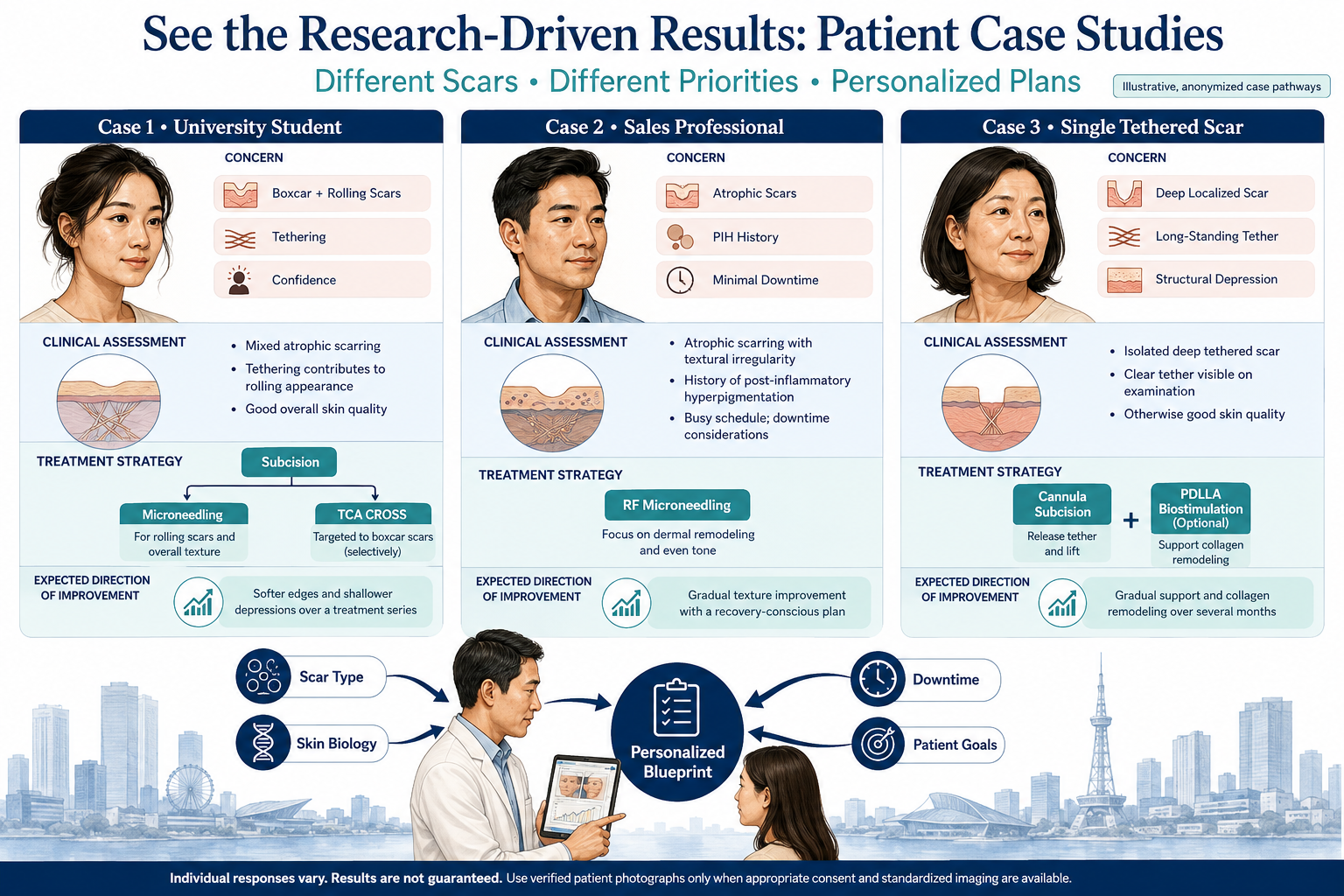
Summary
References
- Wang B, Wu Y, Luo Y-J, Xu X-G, Xu T-H, Chen JZ, et al. Combination of intense pulsed light and fractional CO(2) laser treatments for patients with acne with inflammatory and scarring lesions.
- Yi K-H, Rosellini I, Lee S, Lee H-E. Gas subcision with PDLLA (Juvelook): Evaluating a hybrid mechanical-biologic approach for atrophic acne scars.
- Cruciani M, et al. Platelet rich plasma use for treatment of acne scars: an overview of systematic reviews.
- Hesseler MJ, Shyam N, Huang IH, Huang YC, et al. Platelet-rich plasma and its utility in the treatment of acne scars: A systematic review.
- Jacob CI, Dover JS, Kaminer MS. Acne scarring: a classification system and review of treatment options.
- Ahramiyanpour N, Rastaghi F, Parvar SY, et al. Subcision in acne scarring: A review of clinical trials.
- Li H, Jia B, Zhang X, et al. Comparing the efficacy and safety of microneedling and its combination with other treatments in patients with acne scars: a network meta-analysis of randomized controlled trials.
- Shen Y-C, Chiu W-K, Kang Y-N, Chen C. Microneedling Monotherapy for Acne Scar: Systematic Review and Meta-Analysis of Randomized Controlled Trials.
- Batool A, Abbas MS, Mahin FE, et al. Comparing fractional CO2 laser and needling-based modalities in facial acne scar treatment: a comprehensive systematic review and meta-analysis.
- Zhang D-D, Zhao W-Y, Fang Q-Q, et al. The efficacy of fractional CO2 laser in acne scar treatment: A meta-analysis.
- Ji C, Xie C, Qiao Y. Laser treatment of acne scars: a bibliometric analysis and descriptive summary of clinical evidence directions over the past 20 years.
- Ou Y, An G, Liang J, et al. Laser, Microneedling, and Combination Therapies for Moderate to Severe Acne Atrophic Scars: A Systematic Review and Network Meta-Analysis.
- Sun Y, Yu ZQ, Zhang Y, et al. Fractional microneedle radiofrequency for photoaging and atrophic acne scar: a split-face clinical observation of two devices.
- Jia K, Zhang L, Ye D, et al. Comparative Efficacy and Safety of 1064-nm Picosecond Laser and 1927-nm Fractional Thulium Laser for Atrophic Acne Scars in Asian Patients: A Prospective, Randomized, Split-Face Study.
- Li W, Zheng C, Yuan X, et al. Comparative efficacy, recovery, and pigmentary safety of radiofrequency microneedling and fractional carbon dioxide laser for facial atrophic acne scars: a prospective randomized split-face trial.


