


miraDry: The Complete Guide to Permanent Underarm Sweat & Odor Reduction
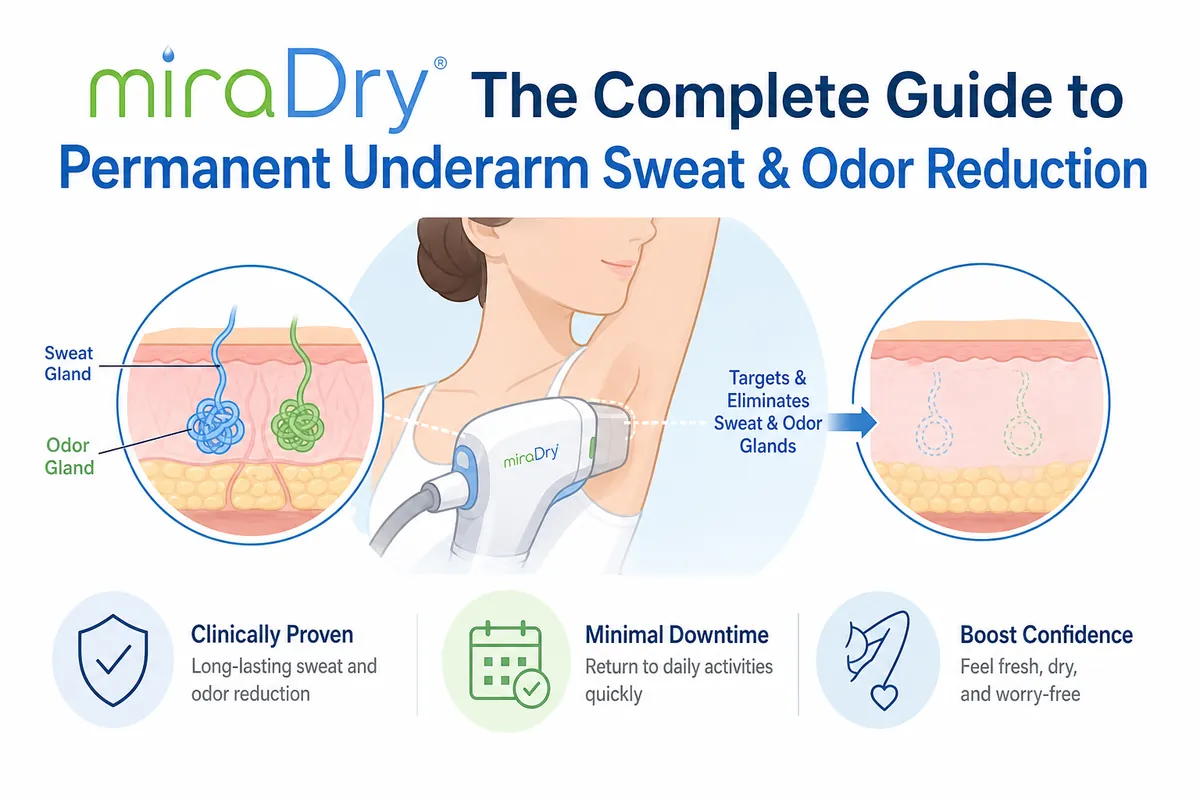
As a physician, I’ve seen firsthand the silent struggle and profound impact that excessive underarm sweat and odor can have on a person’s life. It’s more than just an inconvenience; for millions worldwide, conditions like axillary hyperhidrosis and osmidrosis are a relentless source of anxiety, embarrassment, and self-consciousness. Imagine constantly worrying about visible sweat stains, even in air-conditioned rooms, or feeling the need to discreetly check for body odor, perhaps even avoiding social situations or your favorite clothes. If this relentless cycle of worry resonates with you, know that you are not alone, and there is genuine, lasting hope.
You’ve likely tried countless antiperspirants, deodorants, or even considered more drastic, temporary measures. But what if there was a non-surgical, clinically proven solution that targets the root cause, offering permanent freedom from these concerns? This isn’t about masking symptoms; it’s about reclaiming your comfort and confidence.
This article introduces miraDry, an innovative treatment utilizing advanced microwave technology to safely and effectively eliminate the sweat and odor glands in your underarms. Unlike temporary fixes, miraDry provides a remarkable, lasting reduction in both excessive sweating and persistent odor, with clinical studies showing up to 95% reduction in wetness for many patients. My patients describe it as truly life-changing, helping them regain control, confidence, and the ability to live without the constant fear of underarm issues.
Join us as we delve into how miraDry works, its proven efficacy, what sets it apart from other treatments, and what you can expect on your journey towards a future where discomfort and self-consciousness are replaced by newfound freedom.
miraDry Explained: How It Permanently Stops Sweat and Odor
As a physician, I’ve seen firsthand how much excessive underarm sweat and odor can impact a person’s life. It’s more than just a nuisance; for many, it’s a source of constant anxiety, embarrassment, and self-consciousness. Imagine always worrying about sweat stains on your clothes, even in a climate-controlled office, or feeling the need to constantly check for body odor. This isn’t just about personal hygiene; it’s a medical condition called axillary hyperhidrosis (excessive underarm sweating) and osmidrosis (underarm odor). If you’ve been living with this struggle, trying countless antiperspirants, changing shirts multiple times a day, or even avoiding social situations, you’re not alone, and there’s genuine hope.
I want to introduce you to miraDry, an innovative and non-surgical treatment that offers a lasting solution. Unlike temporary fixes, miraDry works by tackling the root cause of the problem using advanced microwave technology. My patients often describe it as truly life-changing, helping them regain control over their bodies and live with newfound confidence. Understanding how miraDry works is the first step towards a future free from constant worry about wet underarms and unwanted scents.
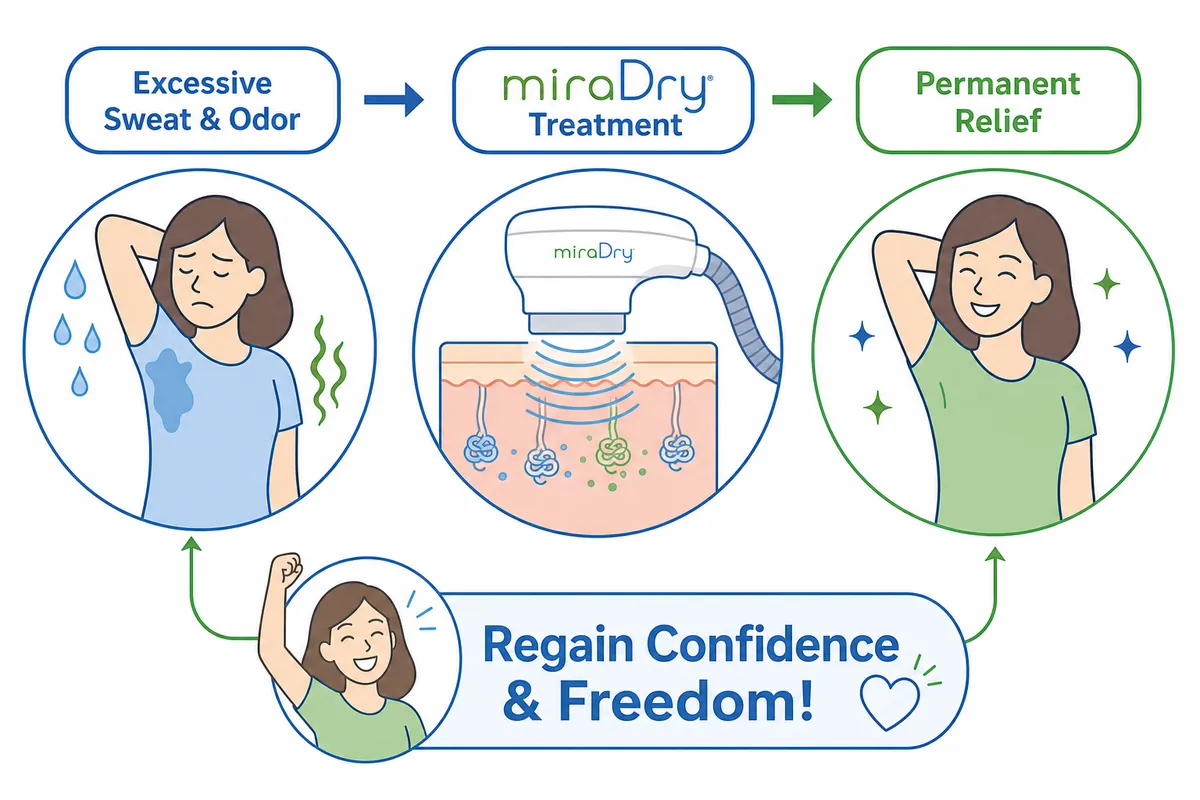
The Science Behind Microwave Technology
The ability of miraDry to provide lasting relief stems from its ingenious use of precisely controlled microwave energy. When we talk about “microwave technology,” many people think of their kitchen appliance, but rest assured, the medical application is far more sophisticated and targeted. This technology has been recognized for various medical uses, and its application in dermatology is well-established (Gupta et al.). Here’s a simplified look at the science:
Focused Energy Delivery: Think of a tiny, high-tech flashlight that can shine its light only at a specific depth. The miraDry device works similarly, delivering microwave energy with incredible precision to the exact layer of skin where your sweat and odor glands reside—typically just a few millimeters below the surface. This ensures that the energy goes exactly where it’s needed, and nowhere else.
Targeted Heat Elimination: When the microwave energy reaches these glands, it gently heats them up. This controlled heating process permanently inactivates and eliminates the targeted sweat (eccrine) and odor (apocrine) glands. This is the key to its lasting effect: once these specific glands are destroyed, they simply do not grow back. It’s like removing a small, unwanted plant by its roots; it won’t regrow in that spot.
Built-in Skin Protection: We understand concerns about skin safety. That’s why the miraDry system incorporates a continuous hydro-ceramic cooling system. This system acts like a protective shield, keeping the surface of your skin cool and comfortable throughout the procedure. This built-in safeguard prevents any damage to the surrounding tissues while the deeper sweat and odor glands are being treated.
Because miraDry directly targets and removes the source of the problem—the glands themselves—it offers a truly enduring solution, not just temporary symptom relief. This non-invasive method means no incisions, no stitches, and a significantly shorter recovery period, allowing you to return to your daily life quickly.
Targeting Axillary Hyperhidrosis and Osmidrosis
What makes miraDry particularly effective is its unique ability to address both excessive underarm sweating (axillary hyperhidrosis) and underarm odor (osmidrosis) simultaneously. These two conditions, though distinct, often go hand-in-hand and can be equally distressing.
Axillary Hyperhidrosis (Excessive Underarm Sweating): This condition means your body produces far more sweat than is necessary for cooling. The main culprits here are the eccrine glands. These are the primary sweat glands responsible for clear, watery sweat, and when they are overactive in the armpits, they can lead to noticeable sweat marks on your clothing, even when you’re not hot or exercising. MiraDry permanently eliminates these overactive eccrine glands, leading to a significant reduction in wetness. Clinical studies, such as one by Wimmer et al., have shown that 95% of patients experienced minimal to no sweating after miraDry treatment. Another study by Wang et al. demonstrated a significant reduction in hyperhidrosis severity scores from 3.1 to 1.3 after a single session of high-energy miraDry.
Osmidrosis (Underarm Odor): While fresh sweat from eccrine glands is mostly odorless, body odor emerges when bacteria on your skin interact with sweat, especially from apocrine glands. These glands are concentrated in areas like the armpits and produce a thicker, protein-rich fluid. When skin bacteria break down this fluid, it creates the distinct, often strong, body odor that many find embarrassing. MiraDry targets and eliminates these apocrine glands along with the eccrine glands, effectively removing the primary sources of odor. Wang et al. also reported a significant improvement in osmidrosis severity, with scores dropping from 7.1 to 3.0 after one treatment session.
By taking on both types of glands, miraDry provides a comprehensive solution for individuals battling both wetness and unpleasant odor. My patients often share how freeing it is to no longer rely on daily antiperspirants or deodorants, to confidently wear any color or fabric without fearing sweat marks, and to feel completely at ease in social or professional settings. This dual action is a critical differentiator, offering a level of relief that simply managing sweat alone cannot achieve.
Key Advantages Over Other Treatments
As a physician guiding patients through their treatment options, I always emphasize finding the most effective, safest, and lasting solution for their specific needs. When it comes to excessive underarm sweat and odor, miraDry truly stands out, offering several distinct advantages over other commonly discussed methods. Let’s compare:
Topical Antiperspirants (e.g., prescription-strength aluminum chloride products): These are often the first line of defense. While they can help some individuals, they are essentially a temporary “band-aid.” They block sweat ducts for a short period, but the effect wears off. Many patients find them irritating, causing redness, itching, or a stinging sensation. More importantly, they often aren’t strong enough for severe cases and do not address odor at its source. With miraDry, you’re looking at a permanent reduction, eliminating the daily hassle and potential irritation of these products.
Botox Injections: Botox is a well-known treatment for hyperhidrosis, effectively reducing sweat by temporarily blocking nerve signals to the sweat glands. It works, but its effects are fleeting, typically lasting only 6 to 12 months. This means repeated injections, which can be costly and inconvenient over time. Furthermore, Botox primarily targets sweat and does not directly address odor. Imagine the frustration of needing recurrent treatments for only half of your problem! MiraDry, in contrast, offers lasting results for both sweat and odor, often achieved in just one or two sessions, saving you time, discomfort, and money in the long run.
Surgical Interventions (e.g., Endoscopic Thoracic Sympathectomy – ETS): These are far more invasive procedures, often reserved for the most severe cases of hyperhidrosis affecting multiple body areas. ETS involves cutting nerves in the chest that control sweating. While effective for sweat, it carries significant risks, including the notorious “compensatory sweating” – where sweating stops in the underarms but dramatically increases in other body areas like the back, groin, or feet. This can be profoundly distressing and often irreversible. miraDry is entirely non-surgical, non-invasive, and crucially, it does not cause compensatory sweating, as it only targets the localized underarm glands.
Older Surgical Gland Removal (Liposuction or Excision): Historically, some more invasive surgical methods involved physically removing sweat glands through liposuction or direct excision. These approaches involve longer recovery times, potential for scarring, and are more prone to complications. MiraDry completely avoids surgery, offering a quicker return to your daily routine with excellent cosmetic outcomes.
In summary, miraDry offers a unique and powerful combination: it’s non-invasive, provides permanent reduction of both sweat and odor, has minimal downtime, and boasts high patient satisfaction. It’s truly a modern solution for a long-standing problem.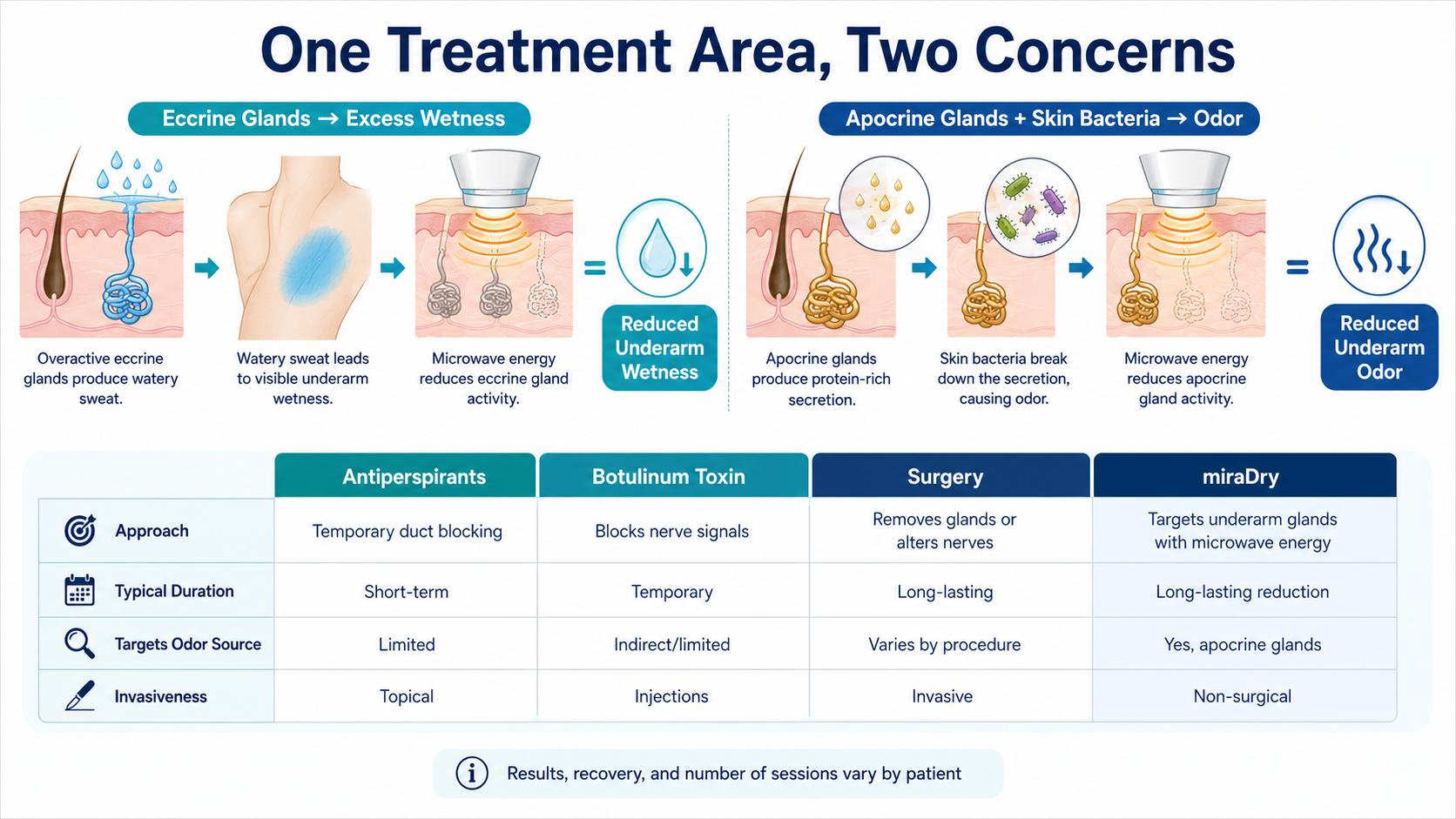
Is miraDry a Truly Permanent Solution?
This is perhaps the most crucial question my patients ask, and for good reason—who wants to invest in a temporary fix? The answer, backed by both the scientific mechanism and extensive clinical evidence, is a resounding yes, miraDry offers a truly permanent solution for the treated glands.
The foundation of this permanence lies in the biological fact that once the sweat and odor glands in the underarm area are eliminated by the precisely delivered microwave energy, they do not regenerate. Think of it like a permanent hair removal process; once the hair follicle is destroyed, it doesn’t grow back. The same principle applies here to the sweat and odor glands.
Clinical studies and the real-world experiences of countless patients consistently support this permanence. For example, a significant retrospective analysis by Wimmer et al. involving 139 patients treated with miraDry found that 84% achieved effective results with just one treatment session, and an impressive 95% reported having minimal to no sweating post-treatment. This is a dramatic and durable reduction. Another comparative study by Ge et al. found that miraDry provided sustained effects with low risk and high patient satisfaction over a 12-month follow-up period, indicating its long-term efficacy. Patient surveys, like one by Tanzella et al., further highlight this, showing high patient satisfaction and improved quality of life following miraDry treatment, reflecting the lasting benefits.
It’s important to have a realistic understanding of what “permanent” means in this context. While the eliminated glands won’t return, it’s virtually impossible for any treatment to guarantee 100% complete cessation of all sweating, as a very small percentage of glands might remain, or your body might adapt minimally. However, what the vast majority of patients experience is a profound, life-changing, and durable reduction in both sweat and odor. This means you can finally enjoy freedom from excessive underarm wetness and the worry of odor, often years after your procedure. This makes miraDry an incredibly appealing and definitive option for those seeking a true end to their underarm concerns.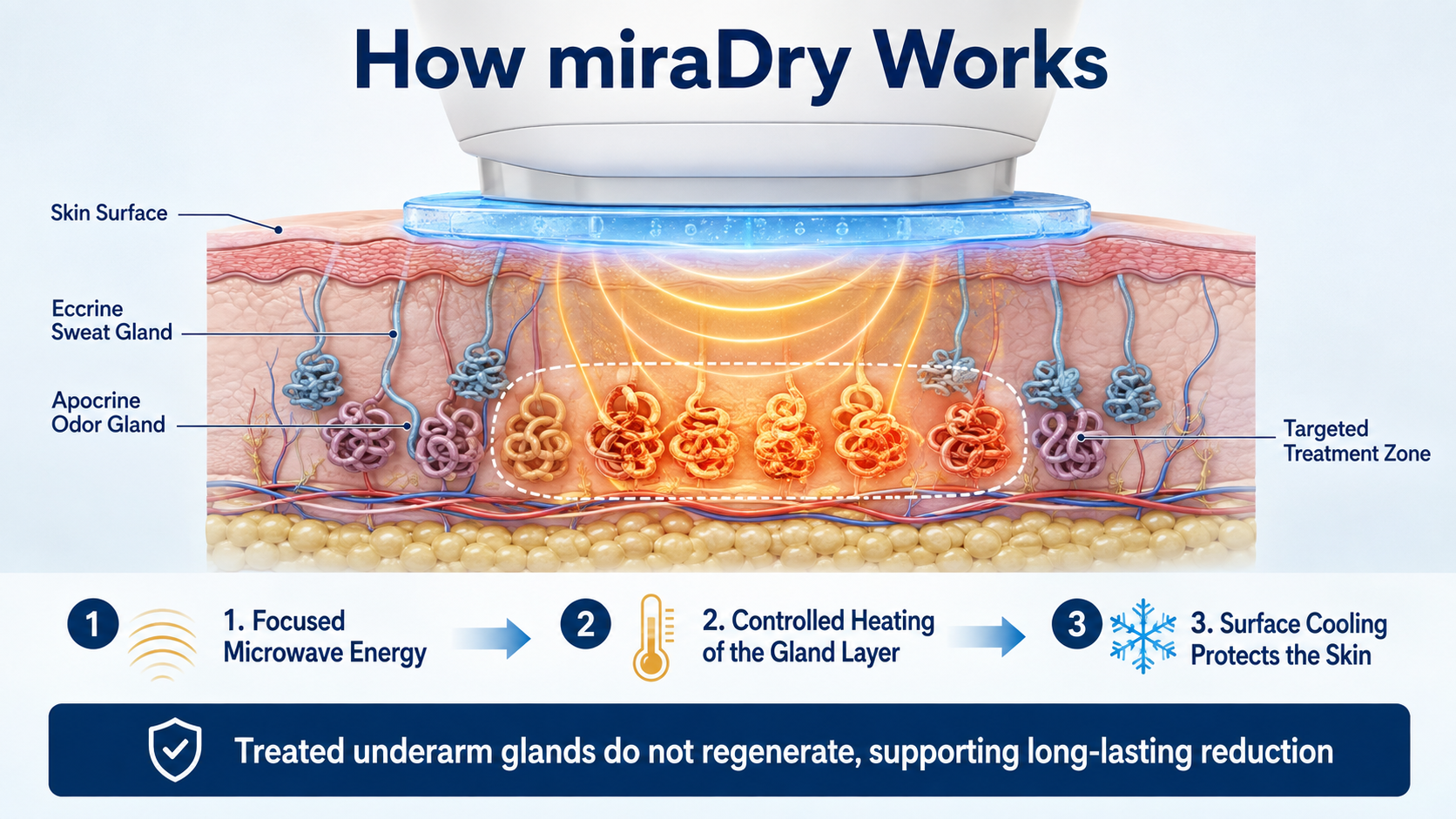
Are You a Candidate? Understanding Excessive Underarm Sweating
As a doctor, I’ve listened to countless stories from individuals whose lives have been quietly dominated by excessive underarm sweat and odor. It’s not just about wet shirts or the need for frequent showers; it’s about the missed opportunities, the hesitation to raise a hand in class, the dread of a job interview, or the simple act of hugging a loved one. Many patients tell me they’ve spent years feeling like their body is betraying them, constantly worrying about visible sweat stains or the faint, persistent smell no amount of deodorant seems to conquer. If these experiences resonate with you, please understand: you are not alone, and your concerns are deeply valid.
Excessive underarm sweating, known medically as axillary hyperhidrosis, is a genuine medical condition, not just a personal quirk. It’s estimated to affect millions worldwide, impacting daily choices from wardrobe to social interactions and professional confidence. The good news is that understanding your condition is the first, powerful step towards finding relief and reclaiming your freedom. In this section, we’ll delve into the nuances of underarm sweating, help you assess its impact on your life, and clarify who might be an ideal candidate for a transformative treatment like miraDry. Our goal is to equip you with the knowledge to make an informed decision, moving you closer to a future where you can live confidently, without the constant worry of underarm issues.
Causes and Types of Axillary Hyperhidrosis
Let’s first understand the difference between normal sweating and excessive sweating. Our bodies are incredibly smart: when we get hot, exercise intensely, or even feel anxious, our sweat glands kick into gear to cool us down, much like a car radiator. This is a vital bodily function. However, for individuals with axillary hyperhidrosis, the underarm sweat glands act like a faucet that’s constantly dripping, even when the body doesn’t need cooling. It’s as if their internal thermostat is set too high, specifically in the armpit area. This persistent, unwanted wetness can significantly impact quality of life, far beyond what ‘normal’ sweating does.
As physicians, we generally categorize excessive sweating into two main types:
Primary Axillary Hyperhidrosis: The “Overactive Switch” This is by far the most common type we see in our clinics, often emerging during adolescence – sometimes as early as puberty. If you’ve been experiencing significant underarm sweating since your teenage years, without any other obvious health issues, you likely have primary axillary hyperhidrosis. The “primary” part means it’s not caused by another disease or medication; it’s a condition unto itself. While the exact trigger isn’t fully understood, we know it’s linked to an overactive sympathetic nervous system. Think of this system as an automatic control panel in your body, managing things you don’t consciously think about, like heart rate and sweating. For primary hyperhidrosis, the sympathetic nerves controlling the underarm sweat glands are essentially on overdrive. There’s often a genetic link too; it’s common for patients to tell me, “My mom or dad also sweats a lot.” This is the type of hyperhidrosis that miraDry is specifically designed to treat.
Secondary Hyperhidrosis: The “Symptom of Something Else” In contrast, “secondary” hyperhidrosis means the excessive sweating is a symptom or side effect of another underlying medical condition or medication. This type often involves more generalized sweating, affecting not just the armpits but potentially the entire body. For instance, conditions like an overactive thyroid gland (hyperthyroidism), diabetes, certain infections, or even some neurological disorders can cause secondary sweating. Additionally, some medications, including certain antidepressants or blood pressure drugs, can list increased sweating as a side effect. If your excessive sweating started suddenly later in life, is accompanied by other symptoms like weight loss, fever, or changes in heart rate, or if you’ve recently started a new medication, your doctor will want to thoroughly investigate these possibilities. MiraDry is typically not the first-line treatment for secondary hyperhidrosis, as the primary focus would be on treating the underlying cause.
Differentiating between these two types is a critical first step. During your initial consultation, a careful medical history and discussion of your symptoms will help us determine the true cause of your sweating, ensuring we recommend the most appropriate and effective treatment plan for you.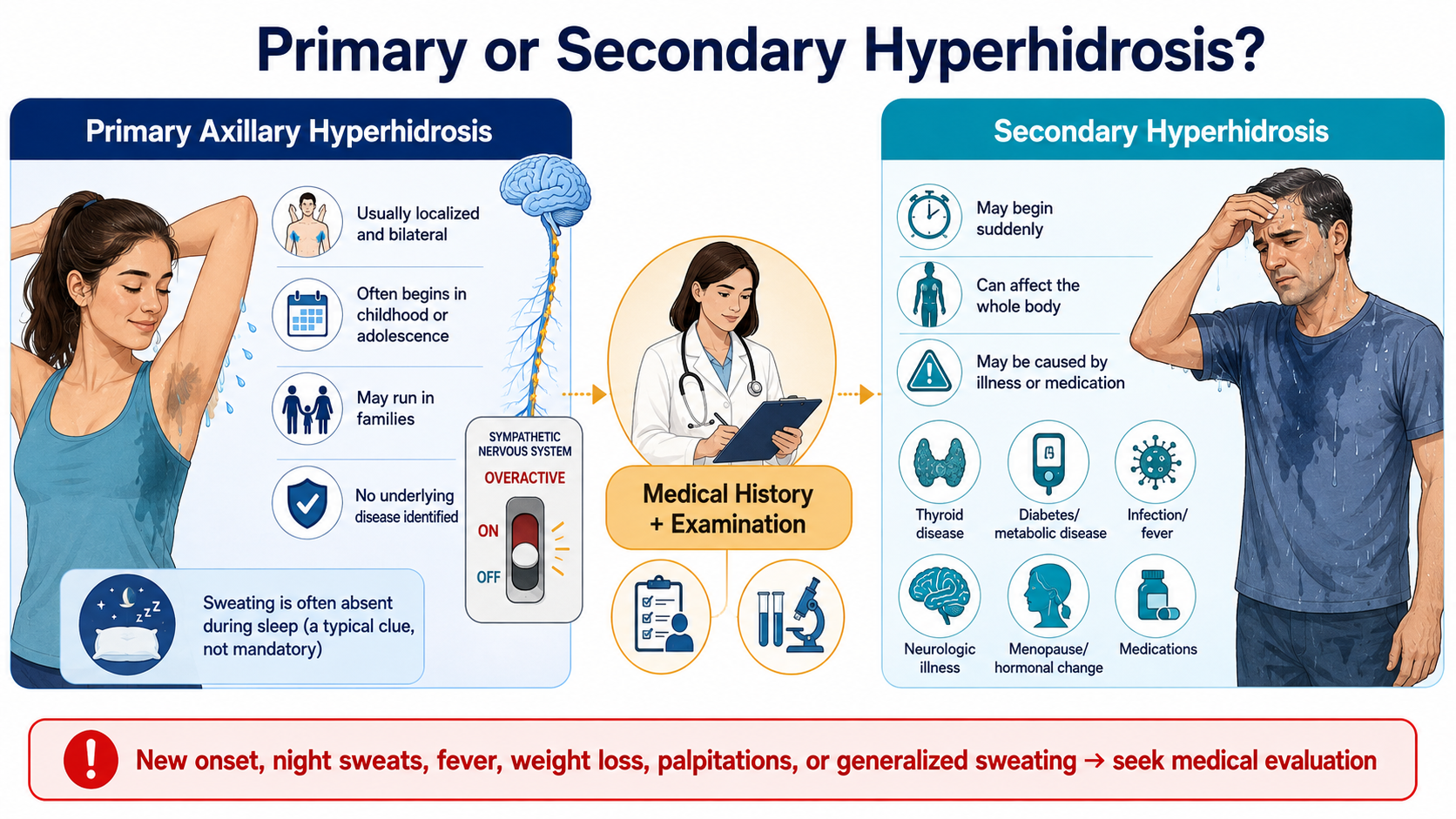
Self-Assessment: How Severe is Your Condition?
While the sheer volume of sweat is a factor, the true severity of your condition is often best measured by how much it impacts your daily life and emotional well-being. As your physician, I encourage you to honestly assess this. To help us both understand the burden you carry, we often use a straightforward tool called the Hyperhidrosis Disease Severity Scale (HDSS). Think of it as a simple questionnaire to gauge how much your sweating is interfering with your life. Please take a moment to consider which statement best describes your experience:
- Score 1: “My sweating is never noticeable and never interferes with my daily activities.”
- Physician’s Insight: If this describes you, your sweating is likely within a normal range, and you probably wouldn’t be seeking treatment for hyperhidrosis.
- Score 2: “My sweating is tolerable but sometimes interferes with my daily activities.”
- Physician’s Insight: Patients here might find themselves changing shirts occasionally, choosing darker fabrics, or applying deodorant more frequently. It’s annoying, but they can generally manage it. For some, miraDry might still be a great option to eliminate this nuisance completely.
- Score 3: “My sweating is barely tolerable and frequently interferes with my daily activities.”
- Physician’s Insight: This is where sweating starts to take a real toll. Patients might avoid certain activities, constantly worry about body odor, or find themselves planning their day around managing sweat. They might feel self-conscious in social settings or at work. “I always have a backup shirt in my bag,” is a common sentiment I hear from individuals at this level.
- Score 4: “My sweating is intolerable and always interferes with my daily activities.”
- Physician’s Insight: At this level, hyperhidrosis often dictates a person’s life choices. They might avoid intimate contact, wear only specific types of clothes regardless of fashion, or experience significant anxiety and social withdrawal. “I stopped raising my hand in class because of the sweat marks” or “I dread presenting at work” are heartbreaking confessions that point to a Score 4 impact. This level of severity almost always warrants medical intervention.
If your self-assessment consistently places you at a Score 3 or 4 on the HDSS, it strongly suggests you are experiencing moderate to severe axillary hyperhidrosis. This is precisely the range where medical treatments like miraDry offer life-changing relief.
Beyond your personal feelings, we can also perform objective evaluations in the clinic to visualize the extent of sweating. One classic method is the Minor’s Test (Iodine-Starch Test). In this simple procedure, an iodine solution is applied to the underarm area, allowed to dry, and then dusted with starch. Wherever sweat is produced, the iodine and starch react, turning the area a dark blue or black. This creates a visible “sweat map,” allowing both you and your physician to clearly see which areas are most active. Combining your personal experience with these objective findings provides a comprehensive picture, guiding us toward the most effective treatment strategy.
Who is Eligible for miraDry Treatment?
Now that you understand the different types of sweating and how to assess your condition, the next step is to determine if miraDry is the right treatment path for you. From my clinical experience, the ideal miraDry candidate is typically:
- An adult (generally over 18 years old) who is significantly bothered by excessive underarm sweat and/or odor.
- Someone diagnosed with primary axillary hyperhidrosis (as discussed earlier, where no underlying medical condition is causing the sweating).
- Someone in good overall health, without any significant medical conditions that would contraindicate the procedure.
- Someone who is seeking a long-lasting, non-surgical solution to significantly reduce underarm wetness and odor, tired of temporary fixes.
However, as with any medical procedure, there are important considerations and specific situations where miraDry might not be recommended or would require extra caution:
- Pregnancy or Breastfeeding: If you are pregnant or currently breastfeeding, we strongly advise against miraDry treatment. The reason for this is simple: there isn’t enough safety data to definitively confirm the procedure’s impact on you or your baby during these crucial periods. Your health and your baby’s health are paramount.
- Medical Implants in the Armpit Region: For individuals with electronic devices like pacemakers or certain other implants near the armpit, miraDry is generally not recommended. The microwave energy used by the system could potentially interfere with the function of these delicate medical devices.
- History of Axillary Surgery: If you’ve had previous surgery in your armpit area that might have altered the anatomy of your sweat glands or surrounding tissues, we would need to conduct a very careful evaluation. Significant scarring or changes in tissue structure could affect the safe and effective delivery of the miraDry energy.
- Anatomical Considerations and Nerve Proximity: This is a crucial point that we, as physicians, pay very close attention to. Research has highlighted that individuals with a low Body Mass Index (BMI), a smaller upper arm circumference, or those who are naturally very thin, might have certain nerves in the armpit located closer to the skin’s surface. Studies, including those by Wang et al. and Puffer et al., have shown that in such cases, there can be a slightly increased risk of temporary nerve irritation or, in very rare instances, more significant nerve injury if the energy is not carefully managed. The nerves in your armpit, particularly the brachial plexus, control movement and sensation in your arm and hand.
- What this means for you: If your physical assessment indicates you might be in this “at-risk” category (e.g., very thin build), your physician will take extra precautions. This might include using a lower energy setting on the miraDry device, increasing the volume of local anesthetic (tumescent fluid) to create a protective barrier between the nerves and the treatment area, or meticulously mapping the treatment zones. The goal is always to maximize safety while achieving the best possible results. A case reported by Lee et al. on median nerve brachial plexopathy emphasizes the importance of these precautions for thinner patients.
Ultimately, the decision to proceed with miraDry is a highly personalized one. A thorough, in-depth consultation with an experienced miraDry provider is not just recommended, but absolutely essential. During this visit, your physician will review your complete medical history, perform a physical examination, discuss your expectations, and address any specific concerns you may have, ensuring that miraDry is a safe and suitable option for your unique situation.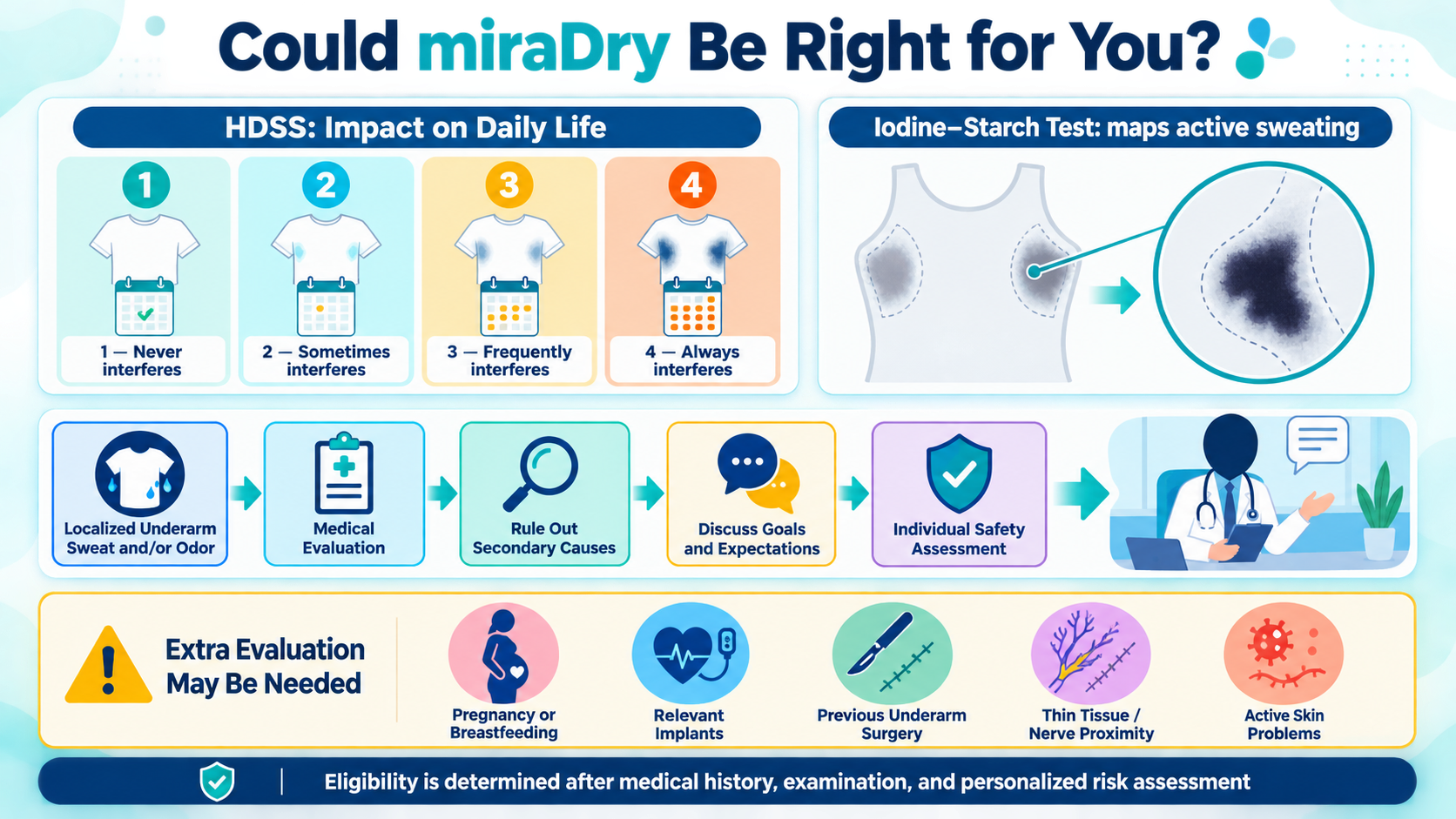
Addressing Underarm Odor (Bromhidrosis)
Beyond the nuisance of wetness, for many of my patients, the most distressing aspect of underarm issues is the persistent, sometimes embarrassing, body odor. This is medically termed bromhidrosis. It’s important to understand that while excessive sweat (from eccrine glands) can create a damp environment, the primary source of strong body odor comes from a different type of sweat gland: the apocrine glands. These glands are concentrated in areas like the armpits and groin.
Here’s how it works: Apocrine glands produce a thicker, milkier sweat that is rich in proteins and lipids. This type of sweat, when it’s fresh, doesn’t actually smell. However, our skin is home to billions of bacteria (which are naturally occurring and mostly harmless). When these bacteria come into contact with apocrine sweat, they break down the proteins and lipids into volatile, odorous compounds. Think of it like bacteria feasting on a meal; the byproducts of their digestion are what we perceive as body odor. Unfortunately, traditional antiperspirants primarily target the watery eccrine sweat, and deodorants only mask the smell, rather than eliminating its source.
This is precisely where miraDry offers a truly comprehensive solution. One of its most powerful advantages is its ability to effectively target and eliminate both the eccrine (sweat-producing) and apocrine (odor-producing) glands. The same precisely controlled microwave energy that reduces your sweating also inactivates and removes the apocrine glands that are responsible for creating the food source for odor-causing bacteria.
My patients frequently share how this dual action is incredibly liberating. They report a dramatic and lasting reduction in underarm odor that they never achieved with daily hygiene routines or specialized deodorants. Studies, including those by Wang et al., have demonstrated a significant improvement in osmidrosis (underarm odor) severity scores after miraDry treatment. Imagine the freedom of no longer worrying about catching a whiff of your own body odor, no longer needing to carry backup deodorant, and being able to confidently embrace close social interactions. This comprehensive relief from both wetness and odor profoundly enhances overall quality of life and restores a deep sense of self-confidence.
Your miraDry Journey: From Consultation to Recovery
As a physician, I’ve had countless conversations with patients who describe excessive underarm sweat and odor not just as an inconvenience, but as a silent burden that impacts nearly every aspect of their lives. They tell me stories of avoiding certain clothing colors, shying away from social gatherings, or feeling a constant, nagging self-consciousness that drains their confidence. If you’re reading this, you might recognize that feeling. The good news is, you’ve taken the first step towards finding a lasting solution with miraDry. This isn’t just about a medical procedure; it’s about reclaiming your comfort, your confidence, and your freedom.
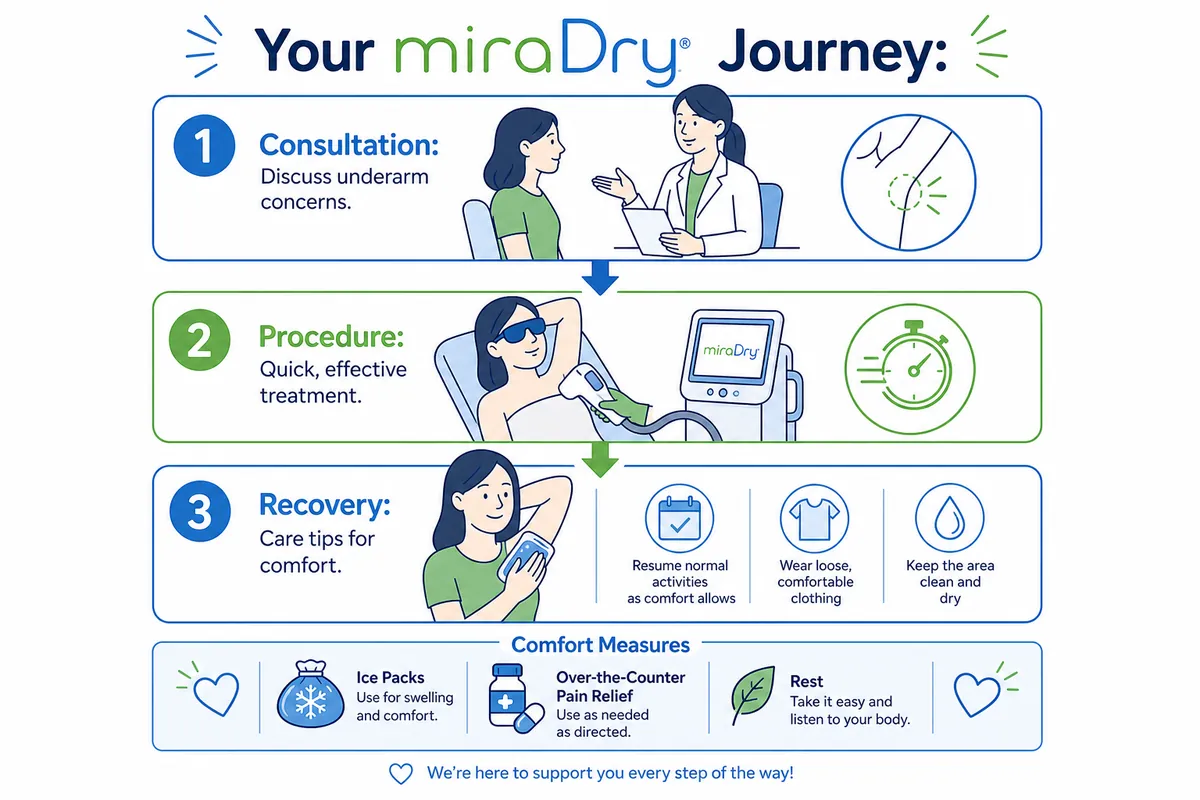
Understanding what to expect at each stage of your miraDry journey – from your initial consultation to your full recovery – is key to feeling prepared and empowered. My goal here is to provide you with a clear, step-by-step roadmap, addressing common questions and concerns, so you can embark on this path with peace of mind. We’ll cover everything from how we prepare you for the treatment, what happens during the procedure itself, how we ensure your comfort, and what your recovery will look like. Let’s navigate this journey together, helping you achieve lasting relief from underarm issues.
Comprehensive Pre-Treatment Preparation
Before we embark on the miraDry treatment, a thorough and personalized preparation phase is essential. Think of this as laying a strong foundation for the best possible outcome, prioritizing both your safety and effectiveness. This journey always begins with a detailed, open conversation between you and your physician.
- The Consultative Dialogue: This isn’t just a quick check-up. We’ll sit down and discuss your unique experience with underarm sweat and odor. How long have you experienced it? What specific situations trigger it? How does it affect your daily life, your clothing choices, or your social interactions? We’ll also review your complete medical history, including any medications you’re taking, allergies, or previous surgeries. This helps us understand your overall health profile and tailor the treatment to your specific needs.
- Medical Evaluation and Physical Examination: During this evaluation, I’ll carefully examine your underarm area. We’re looking for things like skin condition, hair growth patterns, and any existing lumps, bumps, or scars. We’ll also confirm that your excessive sweating isn’t due to an underlying medical condition (which is important for ensuring miraDry is the right fit, as it primarily treats primary axillary hyperhidrosis, where there’s no other medical cause).
- Individual Risk Assessment: Protecting What Matters: This is a crucial part of our assessment. We know from clinical studies that certain anatomical factors can influence the procedure. For instance, individuals with a lower Body Mass Index (BMI), a smaller upper arm circumference, or those who are naturally very thin, might have the delicate nerves of the brachial plexus (the network of nerves that control movement and sensation in your arm and hand) situated closer to the skin’s surface in the underarm area. Research, such as studies by Wang et al. and Puffer et al., has highlighted this potential proximity. In such cases, these nerves could theoretically be more susceptible to the microwave energy if not adequately protected.
- My approach: If your physical assessment indicates you might fall into this “at-risk” category – for example, if you have a very lean build – we’ll implement extra precautions. This might include using a slightly lower energy setting on the miraDry device, or, more commonly, increasing the volume of the local anesthetic fluid (called tumescent fluid). This fluid acts like a protective cushion, gently pushing the deeper structures, including nerves, away from the treatment zone, creating a safer space for the miraDry energy to work its magic. We want to maximize safety while ensuring excellent results.
- Pre-Procedure Instructions: To ensure we can accurately mark and treat the entire area, we’ll ask you to shave your underarms approximately 4 to 6 days before your appointment. This allows for a slight stubble to emerge, which makes the sweat gland areas more visible for precise marking. We’ll also advise you to avoid using any antiperspirants or deodorants for at least 24 hours prior to your treatment to ensure the skin is clean and clear.
- Hydration is Key: While not directly affecting the miraDry mechanism, staying well-hydrated is always beneficial for your general health and can contribute to a more comfortable numbing process.
This careful, individualized preparation is our commitment to making your miraDry experience as safe, comfortable, and effective as possible.
Step-by-Step Procedure Details
Once you’re thoroughly prepared, the miraDry procedure itself is remarkably straightforward and efficient, typically taking about one hour for both underarms. My patients often express surprise at how quickly and comfortably it goes. Here’s a detailed look at what happens during your treatment session:
- Precision Mapping: The Blueprint for Success: The first step is to clean your underarm area. Then, using a special stencil and a skin-safe, temporary ink, I will carefully mark a precise grid pattern across your entire underarm. Imagine this as creating a detailed map. This grid isn’t just for show; it ensures that every area where your sweat and odor glands are concentrated is systematically and accurately targeted. This thorough mapping is crucial for achieving comprehensive and lasting results.
- Comfort First: Comprehensive Local Anesthesia: Before any energy is delivered, your comfort is our top priority. We will administer multiple small injections of a special numbing solution, known as tumescent anesthesia, into the entire underarm area. This solution contains a potent numbing agent (lidocaine) and saline. Many patients describe the sensation of these initial injections as a slight pinch or pressure, similar to getting a dental injection. However, once the anesthesia takes effect – which happens very quickly – the entire area will become completely numb. You’ll still feel touch and pressure, but any sensation of pain will be greatly diminished, if not entirely eliminated. This comprehensive numbing is what makes the actual treatment virtually painless.
- Targeted Energy Delivery: How miraDry Works its Magic: Once your underarms are thoroughly numb, we’ll begin the treatment. The miraDry handpiece, a smooth, ergonomic device, is gently placed onto each marked section of your underarm grid. When activated, the device does two key things simultaneously:
- Microwave Energy: It delivers precisely controlled microwave energy (a technology that has been safely used in various medical fields for decades, as noted by Gupta et al.) to the specific depth where your sweat and odor glands reside—just a few millimeters below the skin’s surface. This energy gently heats and permanently eliminates these overactive glands. Because these glands do not regenerate once destroyed, this leads to a lasting reduction in sweat and odor.
- Integrated Cooling System: At the same time, a sophisticated, continuous cooling system within the handpiece actively cools and protects the surface of your skin. Think of it like a built-in air conditioner that keeps the outer layer of your skin cool and comfortable, while the deeper glands are being treated. This dual action ensures both effectiveness and safety, preventing any damage to the surrounding tissues.
- Systematic Coverage: No Spot Left Untreated: I will systematically move the handpiece across every square of the marked grid. This methodical approach ensures that all the targeted sweat and odor glands within the entire treatment zone are effectively addressed, contributing to the comprehensive and long-lasting results you desire.
- Completion: Once both underarms have been treated, the grid marks are gently wiped away. The entire process for both underarms typically takes about an hour. You’ll be able to move your arms and go about most of your day as usual, though with some immediate post-treatment sensations we’ll discuss next.
This non-invasive process is designed to be as comfortable and effective as possible, directly targeting the source of your underarm concerns without the need for incisions or surgery.
Managing Discomfort: Anesthesia and Pain Relief
Your comfort throughout the miraDry procedure is paramount, and effective pain management is a cornerstone of our approach. Many patients express surprise at how little discomfort they experience during the actual treatment, thanks to our meticulous use of local anesthesia.
- The Power of Tumescent Anesthesia: As mentioned, before any microwave energy is delivered, we carefully inject a special solution – tumescent anesthesia – into the underarm area. This solution contains lidocaine, a potent numbing medication, mixed with saline. It serves a crucial dual purpose that goes beyond just numbing:
- Comprehensive Numbing: It thoroughly numbs the entire treatment area, ensuring that you feel virtually no pain during the delivery of the microwave energy. Most patients only report a sensation of pressure or suction from the device, not pain.
- Protective Cushion: The injected fluid also acts as a physical barrier. It creates a protective layer, cushioning and pushing the more delicate deeper structures, such as blood vessels and nerves (like the brachial plexus that controls your arm and hand movements), away from the skin surface and the zone where the microwave energy is concentrated. This “cushioning” effect is especially important for patients who, based on their anatomy (e.g., lower BMI or smaller upper arm circumference as highlighted by Wang et al. and Puffer et al.), might have these structures closer to the surface. It’s like creating an invisible shield for these sensitive areas.
- During Treatment Sensation: Thanks to the thorough numbing, most patients describe the actual miraDry treatment as feeling like a gentle suction or pressure on the skin, sometimes accompanied by a mild warmth or tingling sensation, but typically not pain. We maintain open communication throughout the procedure, so you can always let us know if you experience anything unexpected.
- Post-Procedure Pain Relief: Once the anesthesia begins to wear off, usually a few hours after the procedure, it’s normal to experience some mild soreness, tenderness, or a dull ache in the treated areas. Think of it like the feeling after a strenuous workout or a slight bruise. This discomfort is typically manageable with common over-the-counter pain relievers such as ibuprofen (Advil, Motrin) or acetaminophen (Tylenol). We’ll provide you with specific recommendations based on your individual needs and comfort levels.
- The Cooling Advantage: Applying ice packs to the treated areas is also incredibly effective. Using them for 15-20 minutes at a time, several times a day, particularly during the first 24-48 hours, can significantly reduce both discomfort and any potential swelling.
My priority is always to ensure your journey is as comfortable as possible. We encourage you to communicate any discomfort or questions you have at any point; your peace of mind is central to this process.
Immediate Post-Treatment Care and Expected Effects
Immediately after your miraDry treatment, it’s completely normal and expected to experience a range of temporary effects. As your physician, I want to reassure you that these are usually signs that your body is responding to the treatment and beginning the healing process, not complications. They typically resolve completely within a few days to a few weeks.
- Swelling (Like a Bee Sting) and Bruising: You will almost certainly notice some swelling in the treated underarm areas. Many patients describe it as feeling like they’ve been stung by a bee, or a general puffiness. Bruising is also quite common and can vary in color and extent, similar to any minor bruise you might get from bumping your arm. These reactions are natural as the body responds to the treatment.
- My advice: The most effective way to manage swelling and bruising is diligent use of ice packs. Apply them for 15-20 minutes at a time, several times a day, especially during the first 24-48 hours. This simple step makes a significant difference in your comfort.
- Soreness and Tenderness: The underarms will likely feel sore or tender to the touch, and you might notice some discomfort when raising your arms or stretching. This is the body’s natural response to the energy delivered to the sweat glands. Over-the-counter pain relievers, as discussed previously, can effectively manage this discomfort.
- Temporary Numbness or Tingling: It’s very common to experience a sensation of numbness, tingling, or altered sensation in the underarm area, or even extending slightly down the upper arm. This happens due to the local anesthetic we used and the temporary effects of the microwave energy on the very superficial nerve endings in the skin. Studies, including those by Wimmer et al., indicate that most temporary adverse events, including altered sensation, typically resolve within one month. While this sensation can sometimes last for a few weeks or even a couple of months, it almost always resolves completely as these superficial nerves recover.
- Small Bumps or Lumps: You might feel small, firm bumps or lumps just beneath the skin in the treated areas. These are a natural part of the healing process as the treated tissue undergoes a mild inflammatory response and remodels. They are typically harmless and will gradually soften and disappear on their own as your body continues to heal.
- Redness: The skin in the treated areas may appear red or inflamed for a few days, similar to a mild sunburn. This is also a normal inflammatory response and will subside.
- Activity Restriction: To promote optimal healing and prevent irritation, I will advise you to avoid strenuous exercise, heavy lifting, and tight-fitting clothing for a few days to a week immediately following your treatment. Your skin needs a little time to recover, and avoiding friction or excessive movement will help.
You will receive detailed written instructions for your post-treatment care, outlining everything you need to do to ensure a smooth and comfortable recovery. My team and I are always available to answer any questions or address any concerns you might have during this immediate post-treatment period.
Recovery Timeline and Return to Daily Life
The recovery period after miraDry treatment is generally quite quick, allowing most patients to return to their normal daily activities relatively soon. Understanding this timeline can help you plan and manage your expectations effectively, easing any worries about disruption to your routine.
- The First Few Days (Day 0-3): The Gentle Start
- Immediate Care: During these first crucial days, your primary focus should be on diligent self-care. Continue to apply those ice packs to the treated areas for 15-20 minutes at a time, several times a day. This is truly your best friend for reducing swelling and discomfort. Take any recommended over-the-counter pain relievers as needed – don’t hesitate if you feel a dull ache.
- Activity: You can typically resume most light daily activities almost immediately. If you have a desk job or your work doesn’t involve strenuous physical activity, you can usually return within a day or two. Think of it as a low-key weekend at home.
- Restrictions: During this period, it’s important to avoid intense physical activity, such as heavy lifting, vigorous exercise, or sports. Also, steer clear of any clothing that might rub or irritate your underarms, favoring loose-fitting garments instead.
- The First Week (Day 4-7): Gradual Improvement
- Symptom Improvement: By the middle to end of the first week, you should notice a significant improvement in swelling, tenderness, and bruising. The intensity of these effects will have visibly diminished.
- Exercise: You can generally start to resume non-strenuous exercise during this time, gradually increasing the intensity as your comfort allows. Listen to your body – if it feels uncomfortable, ease off.
- Hygiene: Continue to treat your underarms gently. Avoid harsh scrubbing or using strong deodorants/antiperspirants until the skin feels fully settled. A gentle, unscented soap is usually best.
- Beyond One Week: Back to Full Swing
- Resolution: Most of the major temporary side effects, such as significant swelling and soreness, should have largely resolved by this point. The small bumps or lumps you might have felt will continue to soften and disappear over the coming weeks.
- Numbness: While much improved, some mild numbness or altered sensation in the underarm or upper arm might linger for several more weeks or even a few months. This is due to the temporary impact on superficial nerves, but rest assured, it almost always fades completely over time as these nerves fully recover.
- Full Activity: At this stage, you can typically return to all your normal activities, including vigorous exercise, sports, and wearing any clothing you desire.
One of the most rewarding aspects for me as a physician is seeing patients return for their follow-up, often glowing with newfound confidence. The full and permanent results of significantly reduced sweat and odor are often noticeable almost immediately after the procedure, with optimal results typically observed over the following weeks as any residual swelling completely resolves. This transformation means no more worrying about sweat stains, no more constant reapplication of deodorant, and a genuine sense of freedom in social and professional settings. Your quality of life and self-confidence will be profoundly enhanced. Always follow your clinic’s specific post-care instructions and attend any scheduled follow-up appointments, as these are vital to monitor your progress and ensure a smooth, lasting outcome.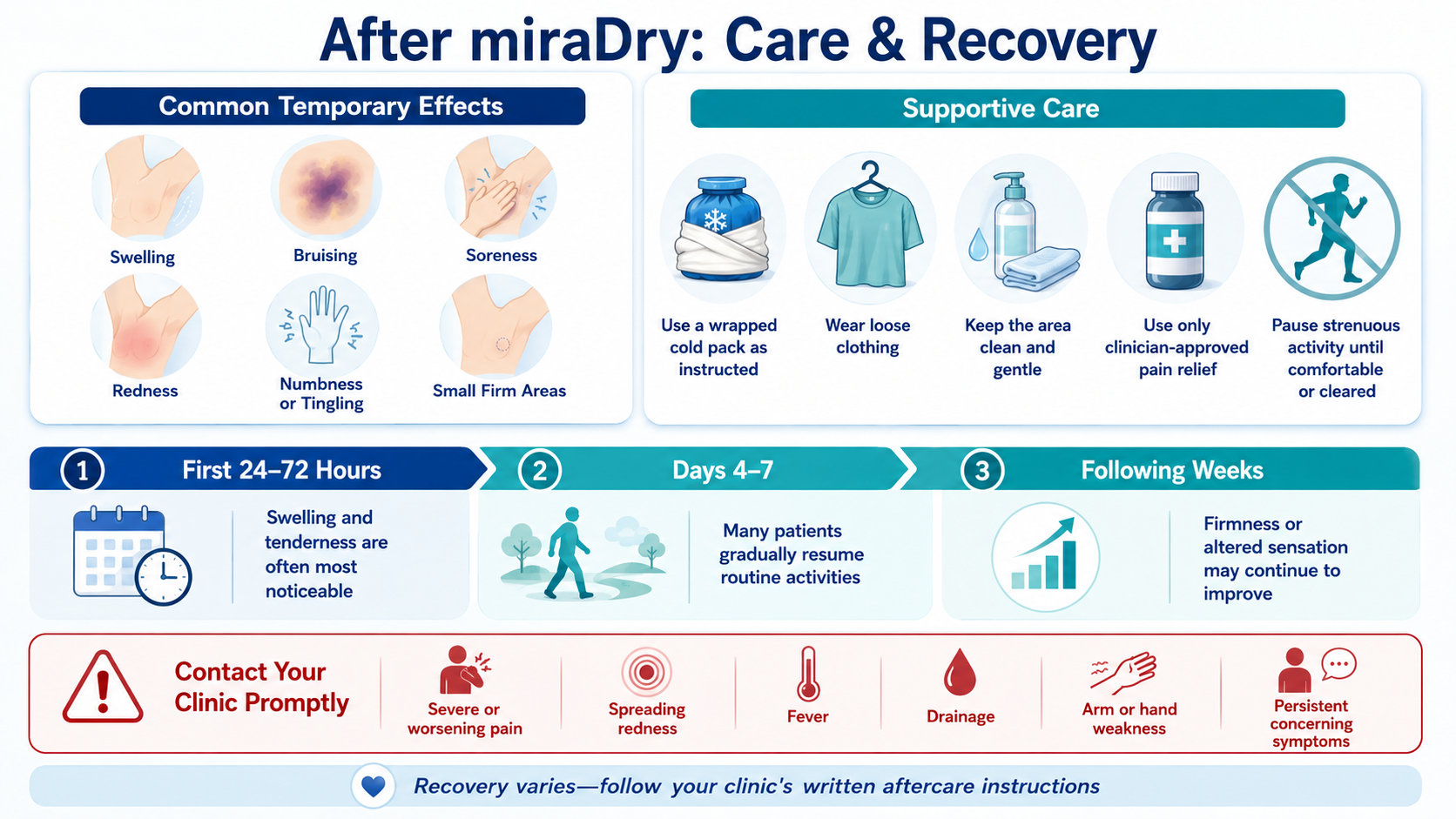
Real Results: Efficacy, Satisfaction, and Longevity
As a physician, I’ve had the privilege of witnessing the profound transformation miraDry brings to my patients’ lives. For so many, living with excessive underarm sweat (axillary hyperhidrosis) and odor (osmidrosis) isn’t just an inconvenience; it’s a constant, silent battle that impacts every decision, from what clothes to wear to how they interact with others. They tell me stories of avoiding social gatherings, dreading presentations at work, or simply feeling a profound sense of embarrassment that chips away at their confidence. If this resonates with you, please know that miraDry offers a truly effective and lasting solution. It’s not just about addressing a physical symptom; it’s about reclaiming freedom, comfort, and a renewed sense of self. Here, we’ll delve into the tangible, proven outcomes and the lasting benefits you can genuinely expect from this innovative treatment.
High Success Rates for Sweat and Odor Reduction
When patients first come to me, they often ask, “Will this really work for me?” And my answer, backed by extensive clinical evidence and years of patient experience, is a resounding yes, for the vast majority. miraDry has demonstrated truly remarkable success in significantly reducing both underarm sweat and odor, offering a level of relief that many previously thought impossible.
Imagine a life where you no longer worry about sweat marks blooming under your arms, even on the hottest days or during stressful meetings. Imagine confidently raising your arm without a second thought, or wearing that vibrant colored shirt you love without fear of visible perspiration. This is the reality for countless miraDry patients. Clinical studies have shown impressive results: for example, a significant analysis by Wimmer et al. found that a remarkable 84% of patients achieved effective results with just one miraDry session. Furthermore, an even higher percentage—up to 95%—experienced either minimal to no sweating after their treatment. This isn’t just a minor improvement; it means going from feeling constantly damp and self-conscious to experiencing dry, comfortable underarms for the first time in years.
Beyond the wetness, the often equally distressing issue of underarm odor is also comprehensively addressed. The sophisticated microwave technology targets not only the eccrine glands responsible for watery sweat but also the apocrine glands, which are the primary source of strong body odor. Studies, like one by Wang et al., objectively measured these improvements, showing a significant reduction in hyperhidrosis severity scores (from an average of 3.1 to 1.3) and a dramatic decrease in osmidrosis severity scores (from 7.1 to 3.0) after a single session. These numbers translate directly into real-world benefits: patients tell me they no longer need to apply deodorant multiple times a day, or that the persistent, unwanted scent they lived with for years has simply vanished. This dual efficacy against both sweat and odor is a critical advantage, providing a comprehensive solution that many other treatments simply cannot match.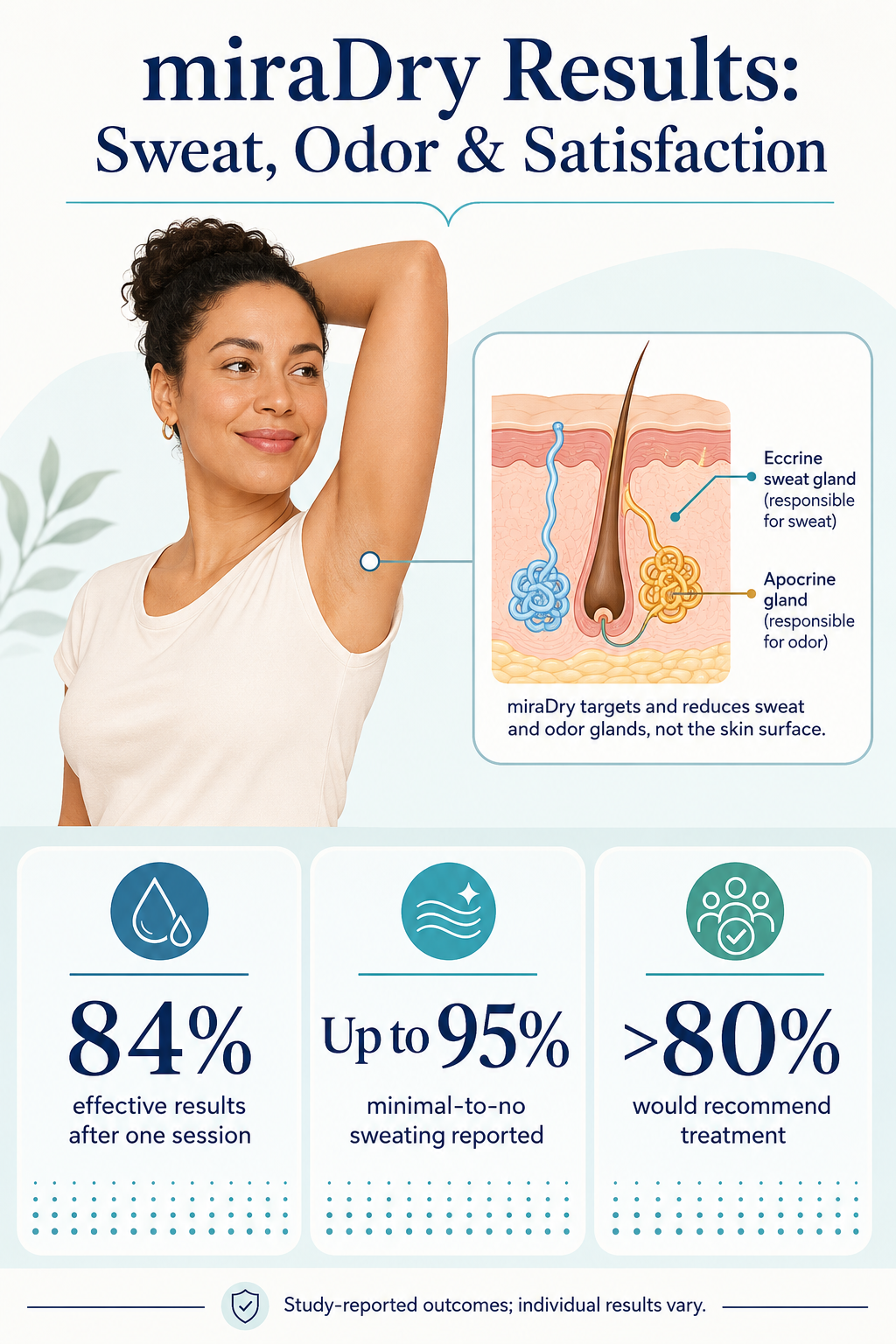
What to Expect: Timeline for Optimal Results
One of the most common questions I receive is, “How quickly will I see results?” and “When will I know it’s truly worked?” The beauty of miraDry is that for many, the journey to optimal results begins almost immediately after the procedure.
Many patients tell me they feel a noticeable difference almost as soon as they leave the clinic, experiencing a significant reduction in wetness and odor. This immediate sense of relief can be incredibly empowering. However, it’s important to understand that the full, most profound benefits typically unfold over the weeks and months following your treatment. Think of it like a gradual healing process. While the sweat glands are permanently inactivated during the procedure, your body needs time to naturally clear away the treated tissue and for any temporary side effects to completely resolve.
For instance, the mild and temporary effects such as swelling, tenderness, or a feeling of numbness in the underarm area usually subside within a few weeks. Some patients might experience a residual numbness or altered sensation that can linger a bit longer, perhaps for a few months, but this nearly always fades completely as the superficial nerves recover. Clinical studies confirm this; Wimmer et al. indicated that most temporary adverse events, including altered sensation, typically resolve within one month, and 94.2% of all transient treatment-related reactions resolve within six months. So, while you’ll likely feel an immediate improvement, patience during the initial recovery period is key. Allowing your body this time to heal and stabilize ensures that you experience the long-lasting, optimal effects of the treatment.
Long-Term Effectiveness and Patient Testimonials
“Is this truly permanent?” This is often the ‘million-dollar question’ my patients ask, and it’s a perfectly valid one given the temporary nature of so many other treatments for excessive sweating. The reassuring answer, unequivocally supported by both the scientific mechanism of miraDry and extensive clinical evidence, is yes, miraDry offers a truly permanent solution for the treated sweat and odor glands.
The foundation of this permanence lies in a simple biological fact: once the sweat and odor glands in your underarm area are eliminated by the precisely delivered microwave energy, they do not regenerate. It’s like permanently pruning a branch from a tree; it simply won’t grow back in that same spot. This is fundamentally different from antiperspirants, which merely block the glands temporarily, or Botox, which paralyzes them for a few months. miraDry tackles the root cause, leading to enduring results.
My patients often return for follow-up appointments glowing with newfound confidence. They share stories of packing for trips without a mountain of spare shirts, confidently raising their hands in business meetings, or simply enjoying the freedom of wearing vibrant colors again. One patient, Sarah, a professional musician, tearfully told me how she could finally perform on stage without constantly worrying about visible sweat marks on her costume. Another, David, a young professional, shared how miraDry had given him the confidence to pursue a promotion that required frequent client presentations, something he had previously avoided. These aren’t just anecdotes; patient satisfaction surveys consistently highlight the long-term positive impact. A study by Tanzella et al. showed high patient satisfaction and a remarkable recommendation rate, with over 80% of patients expressing they would recommend miraDry to others. This underscores its profound and enduring benefits, liberating individuals from the daily struggle with underarm sweat and odor for years to come.
The Likelihood of Needing Additional Sessions
While the goal of miraDry is to achieve optimal results with as few sessions as possible, it’s natural to wonder if you might need more than one treatment. Based on clinical experience and robust data, many patients achieve their desired outcome after a single session. However, some individuals might benefit from an additional treatment.
To be precise, a significant retrospective analysis by Wimmer et al. involving 139 patients revealed that a remarkable 84% achieved effective results with just one miraDry session. For these individuals, a single treatment was enough to provide the life-changing reduction in sweat and odor they desired. However, approximately 16% of patients found that a second session helped them achieve their optimal results.
The decision to pursue an additional session is highly individualized and typically depends on a few factors:
- Initial Severity: Some patients may present with an exceptionally high density of sweat glands or very severe hyperhidrosis and osmidrosis. In these cases, a single session might achieve a substantial reduction, but a second treatment can provide that extra degree of dryness and odor elimination to reach truly transformative results. Think of it like clearing a heavily overgrown garden; sometimes a second pass is needed to get it perfectly manicured.
- Individual Response: Everyone’s body responds and heals a little differently. While the miraDry system is incredibly precise, minor variations in gland distribution or tissue response can mean that a small percentage of glands might not be fully inactivated in the first session.
- Personal Goals: Your definition of “optimal” might also play a role. If you achieve a 70-80% reduction but are striving for even greater dryness or odor elimination, a second session can help bridge that gap.
This isn’t a one-size-fits-all approach. As your physician, I will carefully assess your progress after your initial treatment, discuss your satisfaction levels, and together, we can determine if a second session would be beneficial for you. Our ultimate goal is always to maximize your comfort and satisfaction, ensuring you achieve the best possible long-lasting outcome.
Transforming Quality of Life and Confidence
The true power of miraDry extends far beyond the physical reduction of sweat and odor; it profoundly transforms a patient’s quality of life and confidence. The emotional and psychological burden of living with excessive underarm issues is immense, often an invisible weight that impacts daily choices and self-perception.
Imagine this: you’re planning your outfit for a special event, and instead of automatically reaching for dark, loose-fitting clothes to hide sweat marks, you can choose anything you desire – a light-colored silk blouse, a form-fitting dress, or even a simple grey t-shirt. My patients often tell me this newfound freedom in clothing choices is one of the most liberating aspects of miraDry. No longer are they ruled by the fear of visible wet patches or the need to carry spare shirts.
Beyond clothing, it’s about reclaiming social and professional confidence. The constant anxiety about body odor, the hesitation to give a hug, the reluctance to raise a hand in a meeting or during a presentation – these are common struggles my patients describe before miraDry. After treatment, they experience a profound shift. One patient shared how she finally felt comfortable dating again after years of self-consciousness. Another, a teacher, found new joy in interacting with students, no longer worrying about raising her arm to write on the board.
This newfound freedom and reduced anxiety empower individuals to engage more fully in their personal and professional lives. They walk taller, speak with more conviction, and simply feel more authentic. The statistical data supports this transformation; patient surveys, including those highlighted by Tanzella et al., consistently show a significant improvement in overall quality of life and self-esteem following miraDry treatment. It’s truly about giving you back control, allowing you to live without the constant worry of underarm issues, and unlocking a deeper sense of well-being and self-assurance that radiates into every aspect of your life.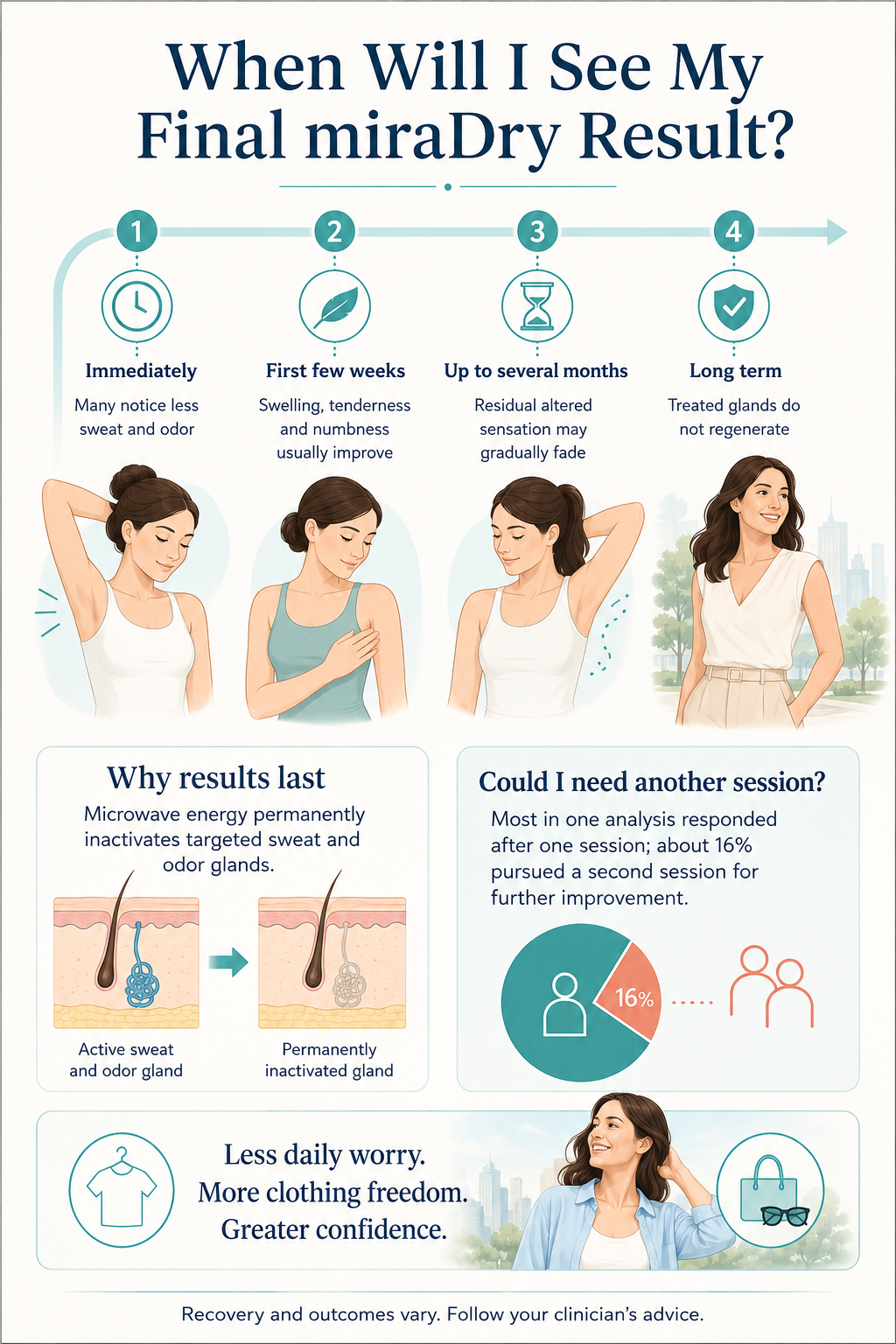
Important Safety Information: Risks and How to Minimize Them
Embarking on any medical treatment, especially one that promises a lasting solution like miraDry, naturally brings questions and concerns about safety. As your physician, I understand completely; it’s entirely normal to wonder about any potential risks before making such an important health decision. At our clinic, your safety is not just a priority, it’s the absolute foundation of everything we do. We firmly believe that a patient who is well-informed and understands all aspects of their treatment is an empowered patient.
While miraDry is a highly effective and generally safe procedure for significantly reducing excessive underarm sweat and odor, like all medical interventions, it does come with potential side effects and, in very rare instances, complications. My commitment to you is to minimize these risks through careful patient selection, meticulous technique, and comprehensive pre- and post-treatment care. We’ll discuss everything openly, ensuring you have all the information you need to feel confident and secure in your choice. Most side effects are temporary and mild, but knowing what to expect and how we manage every step of your journey is crucial for a safe and successful outcome.
Common and Temporary Side Effects
After a miraDry procedure, it’s not only common but also expected that you will experience a range of temporary effects in the treated underarm area. Think of these as your body’s natural and healthy response to the treatment, signs that the process is working and your body is beginning its healing journey. These effects are almost always mild and short-lived, resolving on their own over a period of days to a few weeks.
You will almost certainly notice some swelling in the treated underarms. Many patients describe it as feeling a bit puffy, similar to how your skin might feel after a mild insect bite or a minor bruise. Bruising is also quite common, and the color and extent can vary, just like any bruise you might get from an accidental bump. These reactions are simply your body’s way of responding to the energy delivered and the natural process of clearing away the treated tissue.
You might also feel soreness and tenderness to the touch. This means your underarms may feel a bit achy, like after a strenuous workout, and could be sensitive when you raise your arms or stretch. This is a normal and temporary inflammatory response.
Perhaps the most unique sensation is temporary numbness, tingling, or an altered sensation. This can be felt in the underarm area itself, or sometimes it might extend slightly down the upper arm or even to the upper chest. This happens because the local anesthetic we use can affect small, superficial sensory nerves, and the microwave energy can temporarily impact these very fine nerve endings in the skin. Studies, such as those by Wimmer et al., reassuringly show that the vast majority – over 94% – of these typical temporary treatment reactions, including altered sensation, resolve completely within six months. While it might feel a little strange for a while, it almost always returns to normal as these superficial nerves fully recover.
To help you manage any discomfort, we have clear recommendations. Applying cold packs (like ice packs wrapped in a cloth) for 15-20 minutes at a time, several times a day, is incredibly effective at reducing swelling and soreness. Over-the-counter pain relievers such as ibuprofen (like Advil or Motrin) or acetaminophen (like Tylenol) can also provide significant relief. We also recommend wearing loose-fitting clothing immediately after your treatment to avoid any friction or pressure on the treated areas. My team and I will provide you with detailed instructions to ensure your recovery is as comfortable as possible.
Understanding Rare Complications: Nerve Injuries
While miraDry is designed with advanced safety features, it’s important to discuss that a very rare but serious potential complication involves an inadvertent thermal injury to the nerves located in the underarm region. The underarm area is a complex anatomical space, home to a crucial network of nerves called the brachial plexus. Think of the brachial plexus as the main electrical wiring system that originates from your neck and branches out to control the sensation and movement in your entire arm and hand.
In exceedingly rare circumstances, if these delicate nerves are located unusually close to the skin’s surface, or if the treatment isn’t performed with extreme precision, the microwave energy could potentially affect them. When this happens, patients might experience symptoms that point to a nerve issue. These could include weakness in the arm or hand, persistent numbness or a strange tingling sensation that doesn’t go away, or even difficulty with specific movements like flexing fingers or grasping small objects. For example, a case reported by Lee et al. described a young man who experienced an inability to flex his fingers and sensory loss in his hand after miraDry, indicative of a median nerve brachial plexopathy. Imagine suddenly struggling to button your shirt, hold a pen, or pick up a coin – these are the kinds of specific challenges a nerve injury could present.
While conservative management, which includes diligent observation, rest, and sometimes physical therapy, often leads to significant recovery of function, some residual sensory changes might persist in very rare instances. This is why selecting a highly experienced provider who understands the intricate anatomy of the underarm is absolutely paramount. Their expertise and meticulous technique are your best safeguards against such a rare complication.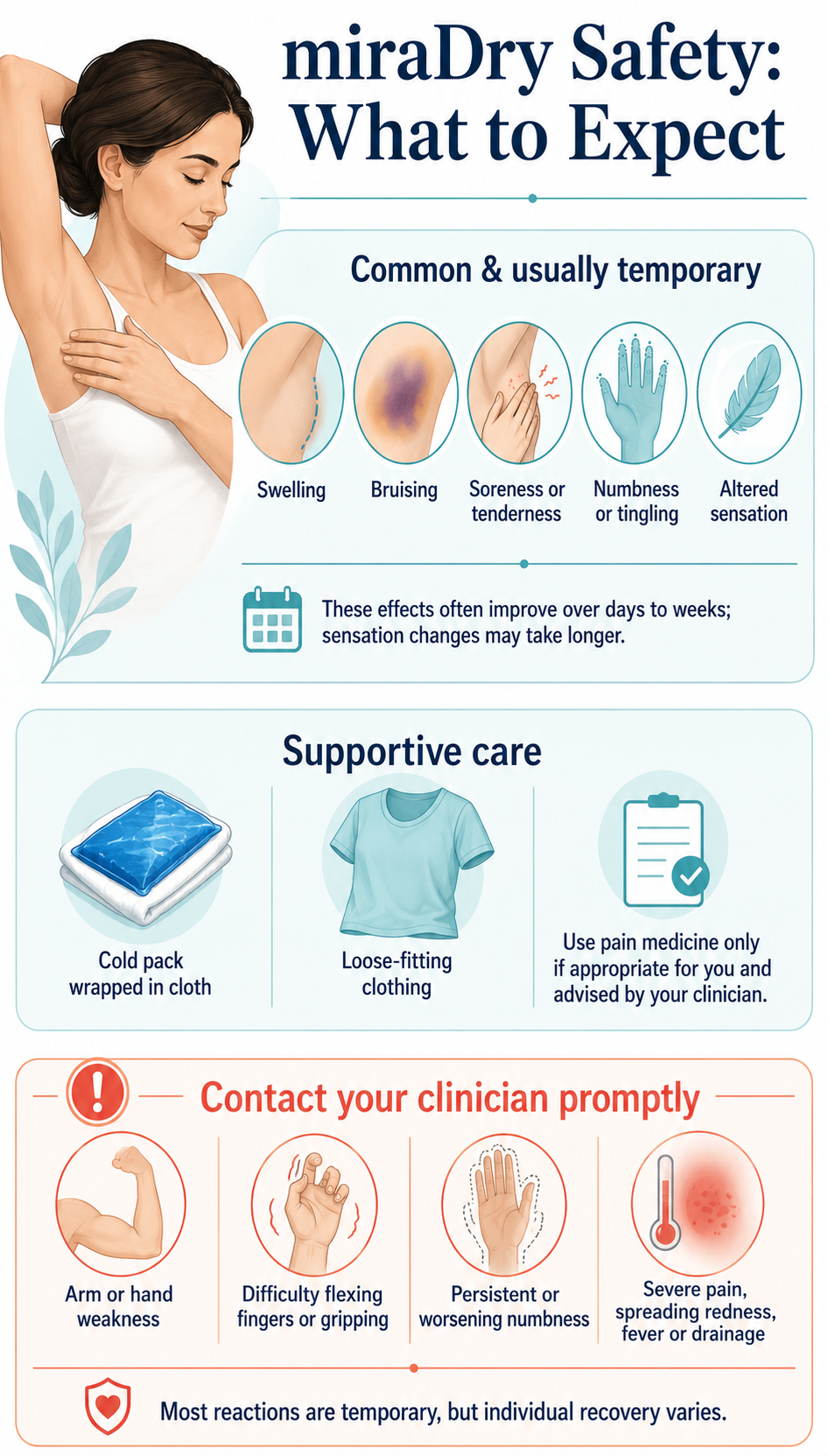
Why Patient Anatomy Matters: Low BMI and Nerve Proximity
Your unique body structure, or anatomy, plays a surprisingly significant role in the safety profile of miraDry, particularly when we consider the risk of nerve injury. In my practice, we pay very close attention to individual anatomical variations because we know that not all bodies are the same.
Patients who have a low Body Mass Index (BMI), meaning they are naturally very thin or have very little body fat, may have less subcutaneous fat in the underarm area. Think of this fat layer as a natural protective cushion or insulation. If there’s less of this padding, the important brachial plexus nerves – those crucial “electrical wires” that control your arm and hand – can lie closer to the surface of the skin. Studies, including those by Wang et al. and Puffer et al., have shown that factors like being female, having a smaller upper arm circumference, and a low BMI are associated with these “danger zones” where nerves are unusually close to the treatment area. In such cases, the risk of the microwave energy inadvertently reaching and affecting these more superficial nerves can increase. For instance, the case of a 49-year-old thin woman (BMI 19.6) who experienced bilateral brachial plexus injury after miraDry, as described by Puffer et al., underscores this crucial anatomical consideration.
To mitigate this increased risk, an experienced clinic will always perform a thorough pre-treatment assessment. This isn’t just a quick look; it involves a detailed physical examination where I carefully evaluate your underarm anatomy. If my assessment indicates you might be in this “at-risk” category (for example, if you have a very lean build), we take extra precautions. This might include using a slightly lower energy setting on the miraDry device, or, more commonly, increasing the volume of the local anesthetic fluid (called tumescent anesthesia). This fluid, in addition to numbing the area, acts as an additional protective cushion, gently pushing deeper structures, including those nerves, away from the immediate treatment zone. It creates a safer buffer, allowing the miraDry energy to precisely target the sweat and odor glands without impacting the surrounding delicate tissues. Our goal is always to maximize your safety while achieving the best possible results.
The Dangers of Off-Label Use: Perineal and Genital Areas
It is absolutely critical that every patient understands this vital piece of safety information: miraDry is specifically and exclusively cleared by regulatory bodies, such as the FDA, ONLY for the treatment of excessive underarm sweating (axillary hyperhidrosis) and odor. Using miraDry on any other part of the body is considered “off-label use,” and it carries significant, potentially catastrophic, and in some documented cases, even fatal risks.
This is not a theoretical concern. There is a tragic and deeply cautionary case study that reported a fatal complication after a healthy woman underwent miraDry treatment in the perineal, genital, and perianal regions (the areas around the private parts). After the treatment, she rapidly developed necrotizing fasciitis, a terrifying “flesh-eating” bacterial infection often referred to as Fournier’s gangrene when it occurs in the genital area, and streptococcal toxic shock syndrome. Despite medical intervention, her condition deteriorated quickly, leading to her death just six days after the procedure, as documented by Wen et al. The medical conclusion was that the skin damage caused by the miraDry treatment in these unapproved, delicate, and highly vulnerable areas likely created an entry point for aggressive bacteria, leading to a rapidly progressing and ultimately fatal infection.
This devastating case serves as a stark reminder of the extreme, well-documented, and potentially fatal dangers associated with using miraDry outside of its approved indication. Therefore, I want to be unequivocally clear: our clinic strongly cautions against, and will never perform, miraDry treatment on any area other than the underarms. Your safety is paramount, and we adhere strictly to established medical guidelines and regulatory approvals to ensure the highest standard of care and prevent such catastrophic outcomes.
Long-Term Safety and Body Thermoregulation
A very common and understandable question I hear from my patients is, “If you permanently eliminate my underarm sweat glands, will my body still be able to cool itself down properly? Will I overheat?” This is a natural concern, and I can reassure you with confidence: miraDry does not impair your body’s overall ability to regulate its temperature.
Let’s look at the numbers. The human body is equipped with an incredible number of sweat glands – typically between two to four million of them, distributed across almost your entire skin surface. When we talk about the underarms, they contain only about 2% of these total sweat glands. Even with the permanent elimination of these specific underarm sweat glands through miraDry treatment, the vast majority of your body’s sweat glands (the remaining 98%) remain fully functional and ready to work.
This means your body will continue to cool itself effectively and efficiently through the millions of remaining sweat glands located on other parts of your body, such as your back, chest, face, and limbs. You will still sweat normally from these other areas when your body needs to cool down, during exercise, or when you’re in a hot environment. Clinical studies and long-term follow-up on miraDry patients have consistently demonstrated a favorable safety profile and confirm that the body’s natural cooling mechanisms are unaffected when the procedure is used for its intended purpose in the underarms.
Furthermore, it’s important to distinguish miraDry from some older, more invasive surgical interventions for hyperhidrosis, which could sometimes lead to a phenomenon called compensatory sweating. Compensatory sweating means that when sweating is stopped in one area, it dramatically increases in other, often unwanted, body areas (like the back, groin, or feet). Because miraDry is a localized, targeted treatment that only affects the underarm glands and not the broader nervous system, it very rarely causes this distressing phenomenon. This makes miraDry not only an effective solution but also a very safe long-term choice for addressing localized underarm concerns without disrupting your body’s essential thermoregulation.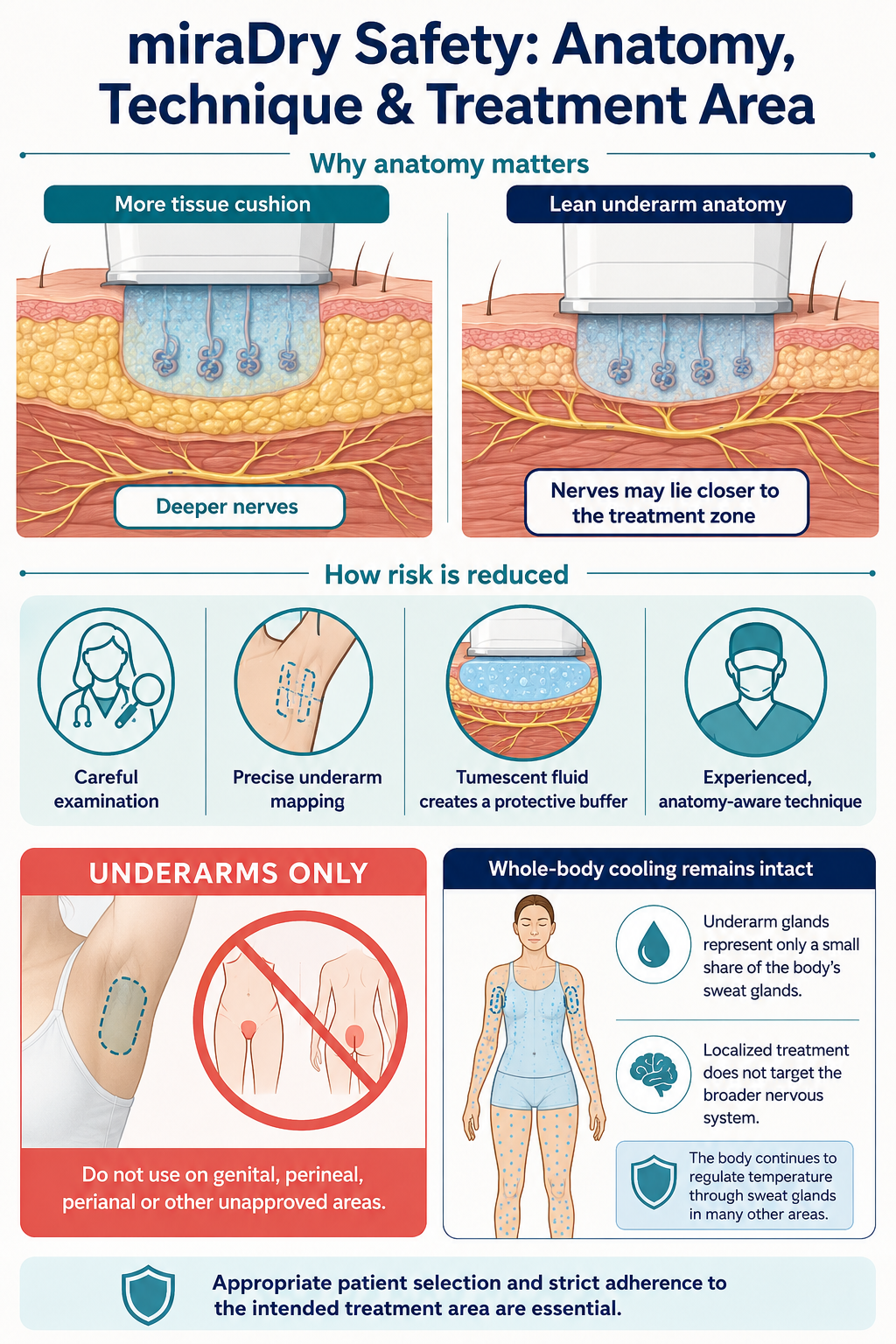
Choosing the Best miraDry Clinic and Navigating Costs
As a physician, I understand that considering a medical procedure often brings questions about costs, and miraDry is no exception. While the prospect of lasting relief from excessive underarm sweat and odor is incredibly appealing, it’s natural to wonder about the financial investment involved. Many patients ask me, “Is miraDry covered by insurance?” or “How much does it really cost?” It’s important to clarify that miraDry is generally considered an elective cosmetic procedure. This means that, unlike treatments for life-threatening conditions, it’s typically not covered by health insurance providers in most English-speaking countries. Although excessive sweating significantly impacts a person’s quality of life and mental well-being, current insurance frameworks often categorize it outside the scope of ‘medically necessary’ treatments that receive coverage.
However, viewing miraDry as solely a cosmetic expense might overlook its true value. For many of my patients, it’s an investment in their long-term comfort, confidence, and overall quality of life. Consider the ongoing costs of managing hyperhidrosis without a lasting solution: frequent purchases of specialized antiperspirants, replacing sweat-stained clothing, laundry expenses, and the intangible cost of daily anxiety and self-consciousness. When you weigh these against the durable benefits of miraDry, the perspective often shifts.
The total cost of a miraDry treatment can vary. Factors influencing the price typically include:
- Geographic Location: Clinics in major metropolitan areas or regions with a higher cost of living might have different pricing structures.
- Clinic’s Reputation and Experience: Highly experienced clinics with a long track record of successful miraDry procedures often reflect that expertise in their pricing. Investing in a clinic that prioritizes patient safety and results can be invaluable.
- Physician’s Qualifications: The expertise of the treating physician – whether a board-certified dermatologist or plastic surgeon with specialized miraDry training – plays a role.
- Inclusion of Follow-up Care: A comprehensive package should ideally include the initial consultation, the treatment itself, and any necessary follow-up appointments to ensure optimal results and address any post-treatment concerns.
- Number of Sessions: While many patients achieve their desired results in one session, some might opt for a second treatment for maximum dryness and odor reduction. This will naturally impact the overall cost.
Before proceeding, I strongly advise obtaining a comprehensive quote that details all potential expenses upfront. Don’t hesitate to ask for a breakdown of costs. Many reputable clinics recognize the investment involved and offer various financing options or payment plans to make the treatment more accessible. Understanding the full financial picture is a crucial step toward making an informed decision that aligns with your personal goals and budget, ultimately leading you to a future free from the constant worry of underarm issues.
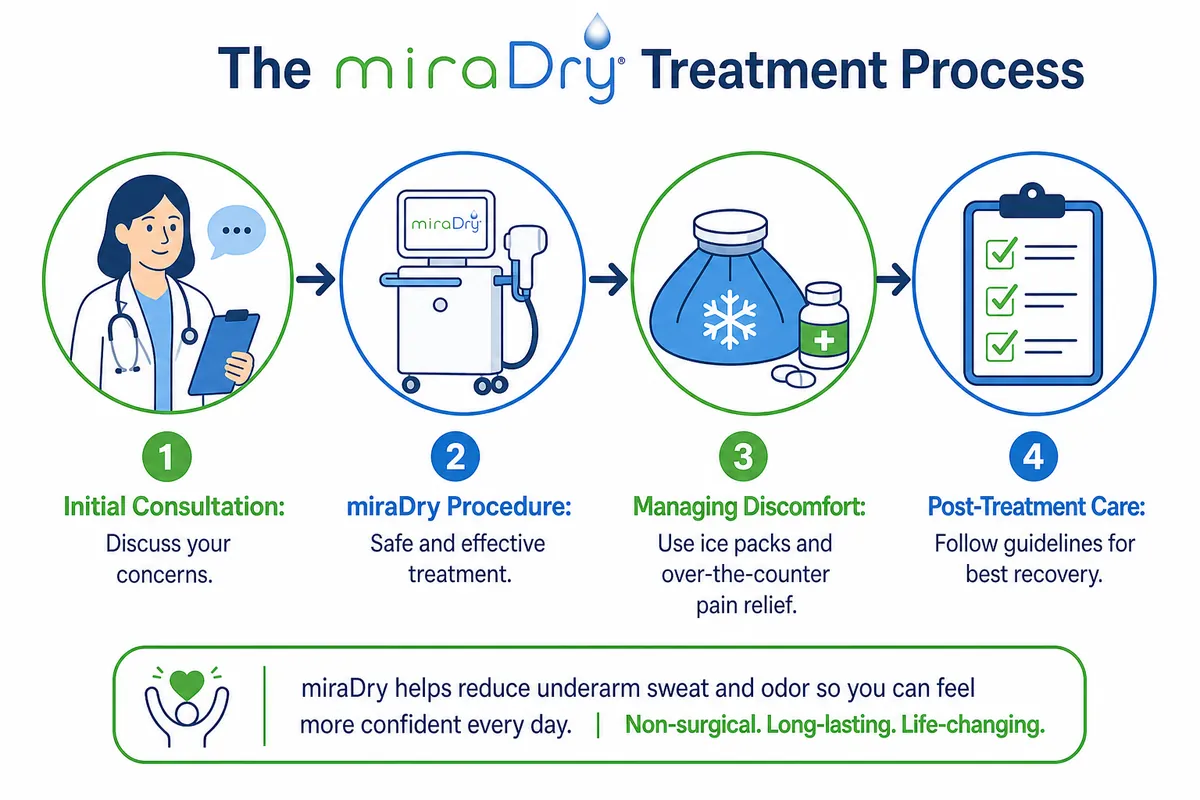
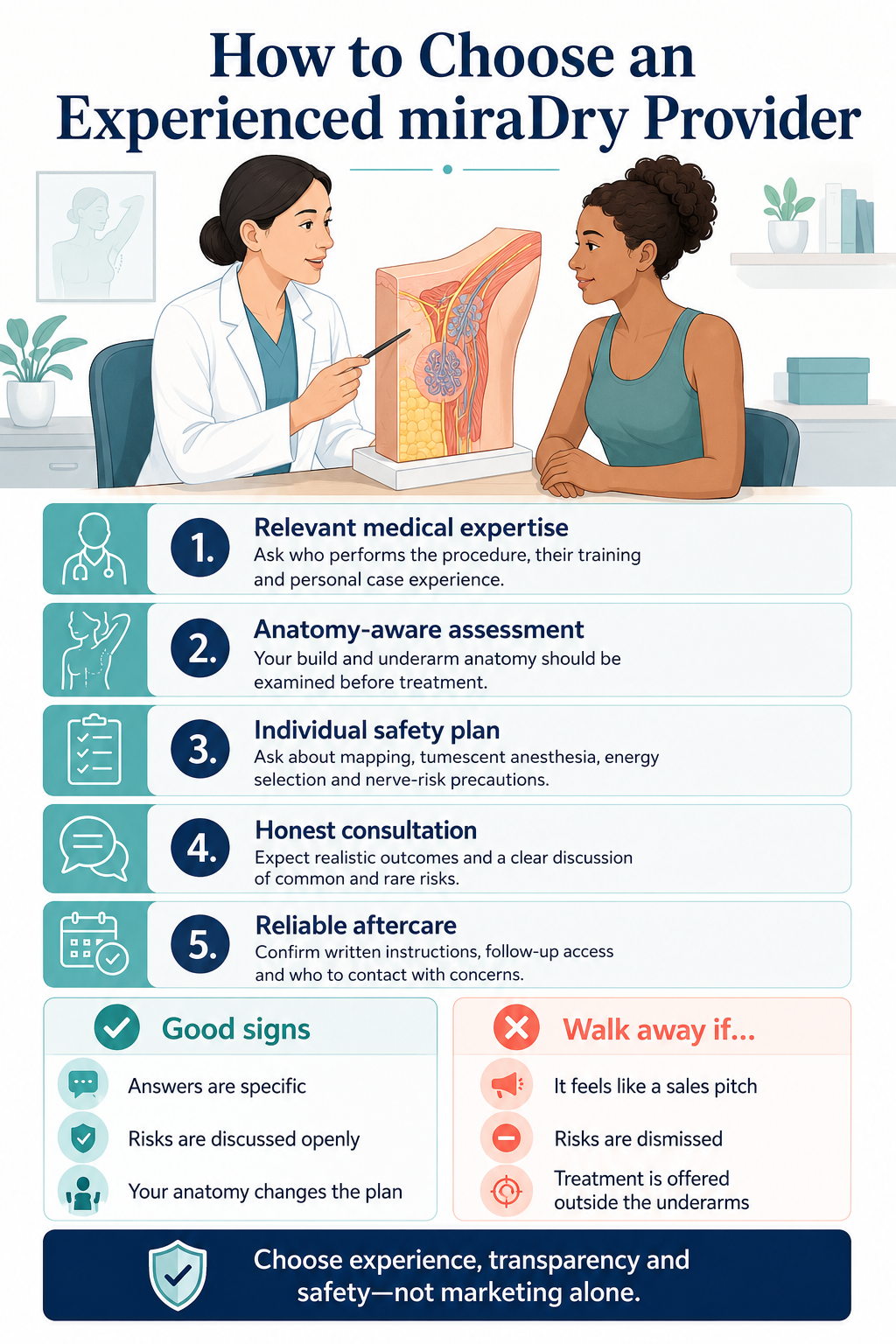
How to Select an Experience
Choosing the right clinic and an experienced provider for your miraDry treatment is arguably one of the most critical decisions you will make on this journey. This isn’t just about finding someone who owns the miraDry machine; it’s about entrusting your care to experts who possess a deep understanding of underarm anatomy, prioritize your safety above all else, and consistently deliver optimal, life-changing results. As a physician, I’ve seen firsthand how a meticulous approach can make all the difference.
Here’s what I advise my patients to consider when selecting a clinic and practitioner:
Look for Specialized Expertise:
- Physician’s Background: Seek out a medical doctor, ideally a dermatologist or a plastic surgeon, with specific, advanced training and extensive experience with the miraDry system. Ask about their certifications and how many miraDry procedures they have personally performed. An experienced practitioner understands the nuances of the device and how to tailor it to individual patient needs.
- Deep Anatomical Knowledge: The underarm area is home to vital structures, including a complex network of nerves called the brachial plexus, which controls sensation and movement in your arm and hand. An experienced physician possesses a profound understanding of these anatomical landmarks. This expertise is absolutely vital for minimizing potential risks and ensuring the safe delivery of microwave energy.
Prioritize Safety Protocols, Especially for Individual Anatomy:
- Risk Mitigation for Thin Patients: As highlighted by research (e.g., Wang et al., Puffer et al.), individuals with a lower Body Mass Index (BMI), a smaller upper arm circumference, or those who are naturally very thin, may have these delicate nerves situated closer to the skin’s surface in the underarm area. This anatomical variation can subtly increase the risk of temporary nerve irritation or, in extremely rare cases, more significant injury if proper precautions aren’t taken. For instance, Puffer et al. described a case of bilateral brachial plexus injury in a thin woman (BMI 19.6), and Lee et al. reported a median nerve brachial plexopathy in a young, thin male.
- Protective Measures: A truly experienced clinic will openly discuss these specific risks and explain their proactive safety measures. This might include:
- Meticulous pre-treatment assessment: A thorough physical examination to identify individual anatomical variations.
- Strategic tumescent anesthesia: Using a carefully determined volume of local anesthetic fluid. This fluid not only numbs the area but also acts as a protective cushion, gently pushing deeper structures, including nerves, away from the treatment zone, creating a safer buffer against the microwave energy.
- Adjustable Energy Settings: The ability to judiciously adjust the miraDry device’s energy settings based on your unique anatomy.
Evaluate the Quality of the Consultation:
- Comprehensive Discussion: A good consultation is not a quick sales pitch. It should involve a detailed discussion about your specific concerns with sweating and odor, a thorough review of your medical history, and a realistic explanation of what miraDry can achieve for you.
- Transparent Risk Disclosure: The physician should clearly explain common, temporary side effects (such as swelling, bruising, and temporary numbness) and, crucially, transparently discuss the rare but serious risks, like nerve damage, and how their clinic works to mitigate them. You should feel that all your questions are answered to your satisfaction.
Insist on Ethical and Approved Practices:
- Adherence to Approved Treatment Areas: MiraDry is specifically and exclusively cleared by regulatory bodies like the FDA for the treatment of excessive underarm sweating and odor. It is not approved for use in other body areas. This is a non-negotiable safety point. I must strongly caution against any clinic that offers miraDry for “off-label” use, especially in sensitive regions like the perineal or genital areas. There is a tragic and very serious case documented by Wen et al. where a healthy woman suffered fatal necrotizing fasciitis (a flesh-eating bacterial infection) and toxic shock syndrome after receiving miraDry treatment in these unapproved areas. Her skin damage from the treatment provided an entry point for aggressive bacteria, leading to her death. This devastating outcome underscores the extreme danger of off-label use and highlights the critical importance of choosing a clinic that strictly adheres to approved medical guidelines.
Assess Aftercare Support:
- Post-Procedure Instructions: A reputable clinic provides clear, detailed instructions for post-treatment care to ensure a smooth recovery.
- Accessible Support: You should feel confident that the clinic will be readily available to answer any questions or address any concerns you might have during your recovery period.
Choosing a clinic that emphasizes patient safety, possesses extensive experience, and practices transparent communication will significantly contribute to a positive treatment experience and deliver the lasting, life-changing results you seek. It’s an investment in yourself, and selecting the right partner for this journey is paramount.
Summary
miraDry is an innovative, non-surgical treatment for people struggling privately with excessive underarm sweating (primary axillary hyperhidrosis) or underarm odor (axillary osmidrosis)—conditions that can significantly affect daily life and self-confidence.
Using controlled microwave energy, miraDry permanently inactivates targeted sweat and odor glands, providing substantial, long-lasting symptom reduction and helping patients regain comfort and confidence.
Although miraDry is generally considered safe, temporary side effects such as swelling, tenderness, and numbness may occur. Choosing an experienced medical provider is therefore essential. Particular care is required for patients with a low BMI, whose nerves may lie closer to the treatment area. miraDry should be used only in the underarm area; treatment of other body regions can carry serious risks.
If you are seeking lasting relief from the constant worry caused by underarm sweat or odor, consult a qualified miraDry provider to determine whether this treatment is appropriate for you.
References
- Gupta AK, Venkataraman M, Joshi LT, Cooper EA. Potential use of microwave technology in dermatology.
- Wang YH, Cheng CY, Chang SL, Hu S, Huang YL. A single session of high-energy microwave axillary hyperhidrosis and osmidrosis therapy: Key pretherapeutic assessment and outcome analysis.
- Wimmer F, Ramic A, Nolte JP, Djedovic G, Dietl M. Correction: Evaluation of Efficacy and Safety of miraDry® Procedure in the Treatment of Primary Axillary Hyperhidrosis.
- Ge Y, Liu J, Zhang R. Comparison of Microwave-Based Therapy and Negative-Pressure Suction-Curettage for Axillary Hyperhidrosis and Bromhidrosis: A Retrospective Analysis.
- Wimmer F, Ramic A, Nolte JP, Djedovic G, Dietl M. Evaluation of Efficacy and Safety of miraDry® Procedure in the Treatment of Primary Axillary Hyperhidrosis.
- Lee FG, Mansour AM, Wallace SJ, Miller NF. Conservative Management of Median Nerve Brachial Plexopathy after Microwave-based MiraDry Treatment for Axillary Hyperhidrosis.
- Tanzella U, et al. Patient satisfaction after miraDry® treatment for axillary hyperhidrosis. Results of an online patient survey after miraDry® treatment to reduce excessive axillary sweating.
- Puffer RC, Bishop AT, Spinner RJ, Shin AY. Bilateral Brachial Plexus Injury After MiraDry Procedure for Axillary Hyperhidrosis.
- Wen S, Unuma K, Makino Y, Mori H, Uemura K. Fatal consequence after MiraDry® treatment: Necrotizing fasciitis complicated with streptococcal toxic shock syndrome.


