


Weight Loss in Nagoya: Accessing Mounjaro with English Support
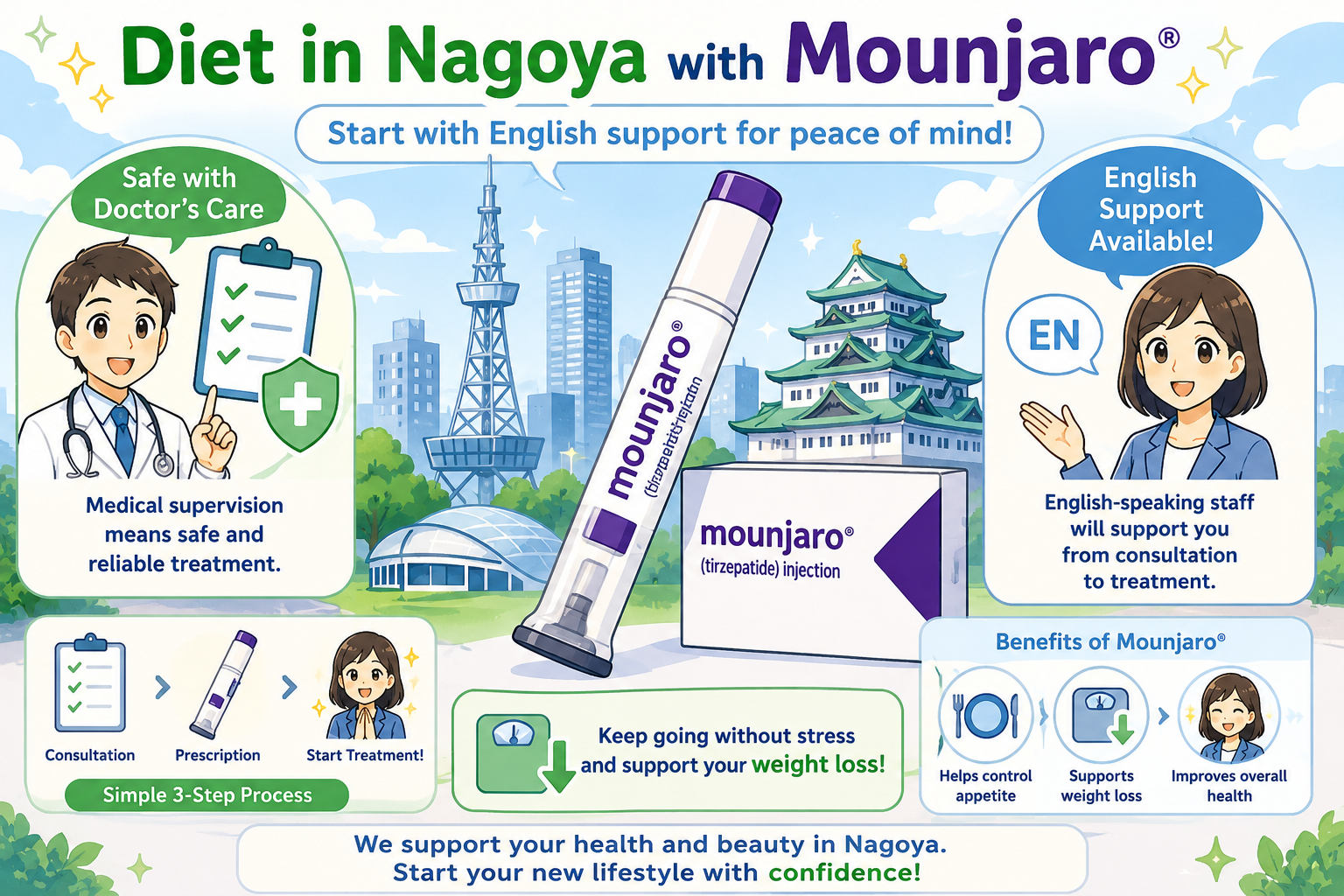
If you’ve struggled with multiple weight-loss methods without achieving lasting results, and find yourself facing the ongoing challenge of weight management, you are far from alone. Many people are searching for a truly effective solution that can fundamentally improve both their health and quality of life. But what if there were a groundbreaking medical advancement that could not only support significant weight loss, but also help reduce the risk of serious conditions such as type 2 diabetes and sleep apnea—opening the door to a healthier future?
Introducing Mounjaro® (tirzepatide), an innovative dual-action medication that is redefining the possibilities of medical weight management. Unlike traditional treatments, Mounjaro uniquely targets two key metabolic hormones, GLP-1 and GIP, creating a more comprehensive approach to appetite regulation and fat metabolism. Clinical studies have shown remarkable results, with patients achieving an average weight loss of approximately 20% of their total body weight—an unprecedented level of effectiveness in modern obesity treatment. Imagine a person weighing 200 pounds losing around 30 pounds and maintaining that result for years.
This goes far beyond simply lowering the number on the scale. Successful weight reduction can restore energy, improve chronic medical conditions, and help prevent future health complications—ultimately supporting a healthier and more active lifestyle.
However, for people living in Nagoya, especially international residents, accessing advanced treatments like Mounjaro with reliable English-language support may feel overwhelming. Concerns about finding the right clinic, understanding the treatment process, insurance coverage, and managing treatment costs are entirely understandable.
This comprehensive guide was created to make your treatment journey easier to navigate. We will explain in detail how Mounjaro works, its benefits beyond weight loss, and provide a clear roadmap for finding English-speaking prescribing physicians in Nagoya. We will also discuss practical topics such as treatment costs and insurance coverage with full transparency, helping you make informed decisions with confidence and move proactively toward your health goals.
Mounjaro (Tirzepatide) for Weight Loss: What It Is and How It Works
Embarking on a journey to manage your weight can often feel like navigating a complex maze. Many individuals, perhaps like yourself or a loved one, have tried various methods without achieving sustainable results. It’s completely natural to seek effective solutions that can make a real, lasting difference in your health and quality of life. Understanding how innovative medications like Mounjaro work is a crucial first step toward making informed decisions about your well-being. As a physician, I’ve seen firsthand the profound impact that significant weight reduction can have, not just on physical health, but on a person’s overall confidence and ability to engage with life more fully. Let’s explore what Mounjaro is and how it functions.
What is Mounjaro? The Dual Agonist Mechanism
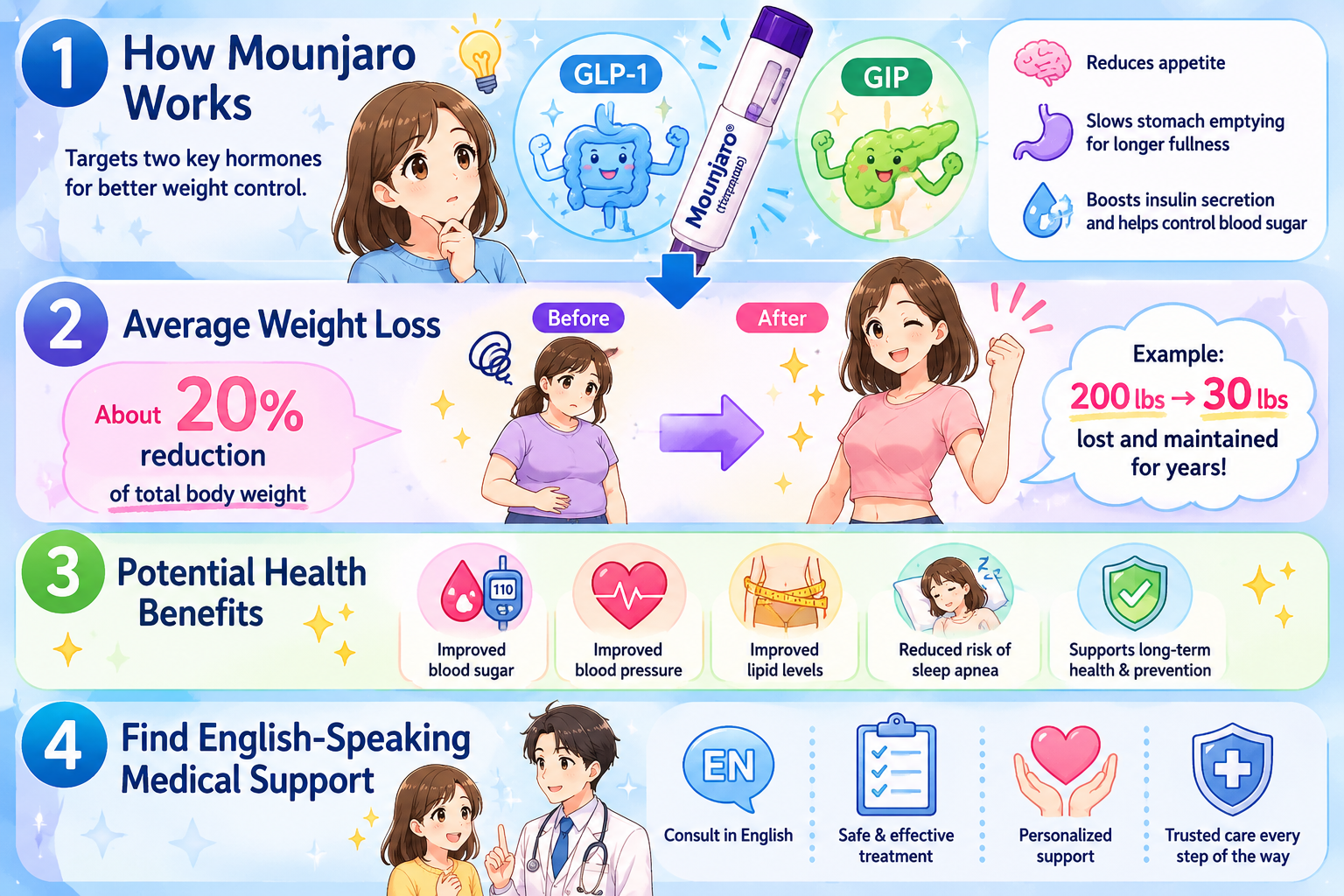
Mounjaro, known scientifically as tirzepatide, represents a remarkable advancement in the medical management of weight and blood sugar. Imagine your body’s metabolism as a finely tuned orchestra. Mounjaro doesn’t just play one instrument; it orchestrates two key hormones to bring about a more harmonious metabolic balance. It acts as a “dual agonist,” meaning it stimulates two critical natural hormone receptors in your body:
- GLP-1 (Glucagon-like Peptide-1) receptor: Think of GLP-1 as a ‘satiety signal’ and ‘blood sugar regulator.’ When activated, it helps your pancreas release insulin when your blood sugar is high, slows down how quickly food leaves your stomach (making you feel full longer), and signals your brain to reduce appetite. It’s like a natural brake on your hunger.
- GIP (Glucose-dependent Insulinotropic Polypeptide) receptor: GIP is another vital hormone that also helps stimulate insulin release, especially after you eat. It plays a role in how your body processes and stores fat, and it’s thought to work synergistically with GLP-1 to enhance overall metabolic improvements.
By uniquely targeting both GIP and GLP-1, Mounjaro offers a more comprehensive approach compared to medications that only focus on one pathway. This dual action isn’t just double the effect; it’s often a better effect because these two hormones complement each other. This combined action helps to regulate your appetite more effectively, reduce your overall food intake, and improve how your body handles sugar, all of which contribute significantly to weight reduction. Initially recognized for its powerful effects in individuals with type 2 diabetes, its remarkable weight loss capabilities have positioned it as a groundbreaking option for those living with obesity.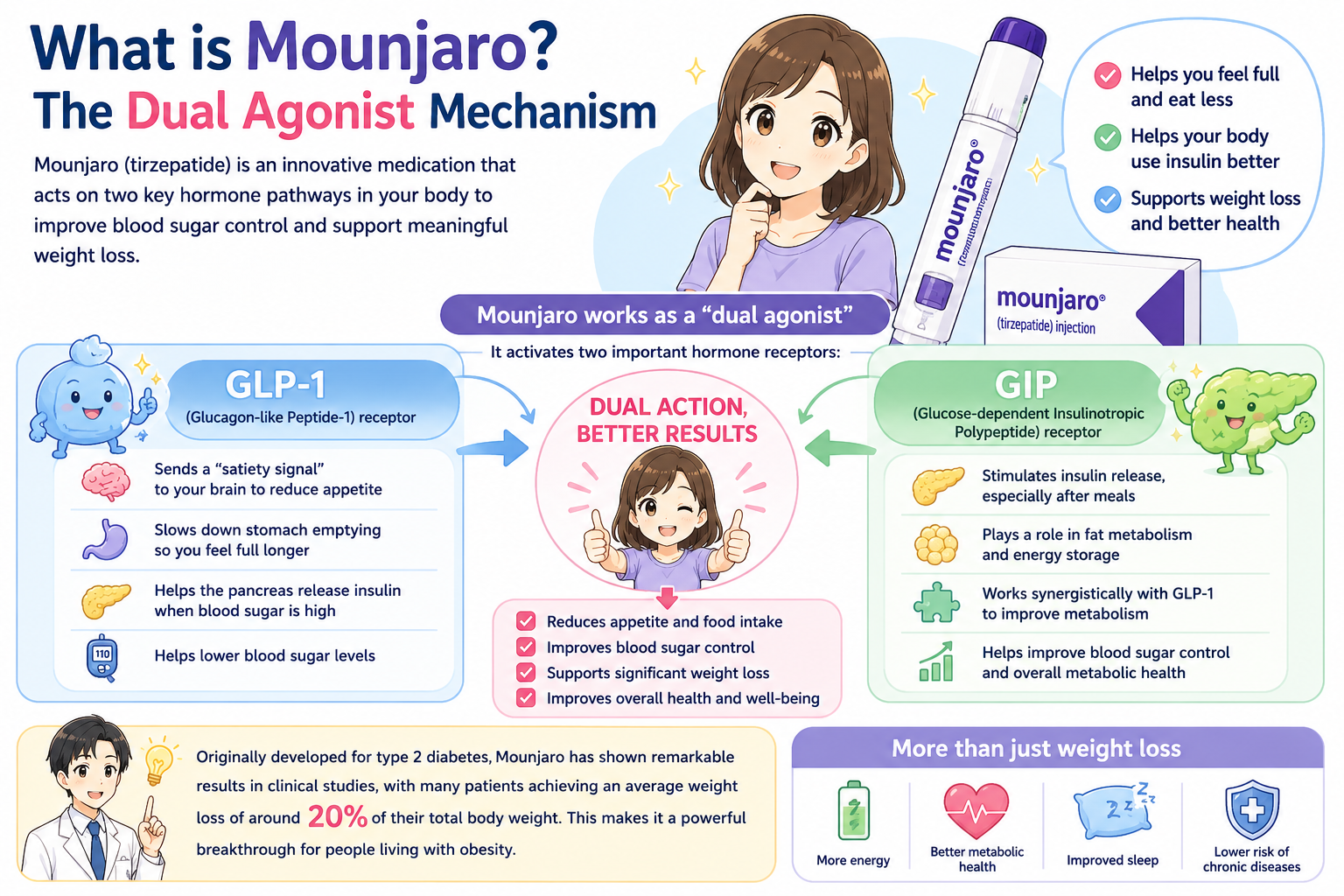
How Tirzepatide Promotes Significant Weight Reduction
Mounjaro’s dual mechanism translates into powerful and effective weight loss in several key ways. It works by making you feel fuller for longer periods, which naturally reduces your urge to eat frequently or snack unnecessarily. Additionally, it slows down the movement of food from your stomach to your intestines. This prolonged digestion enhances feelings of satiety and helps you consume fewer calories overall without feeling deprived.
From a clinical perspective, the weight loss achieved with tirzepatide is truly remarkable. For example, in a pivotal study known as SURMOUNT-2, involving individuals with both obesity and type 2 diabetes, participants treated with Mounjaro experienced an average weight reduction of 12.8% to 14.7% over 72 weeks, significantly outperforming the placebo group, which saw only a 3.2% reduction. To put that into perspective, for someone weighing 200 pounds, a 14.7% weight loss translates to nearly 30 pounds! What’s even more compelling is that a high percentage of these patients—between 79% and 83%—achieved at least 5% body weight loss, a threshold considered clinically meaningful for improving health markers like blood pressure and cholesterol.
Similar impressive results were observed in a study focusing on Chinese adults with obesity (SURMOUNT-CN). Over 52 weeks, patients receiving 10 mg of Mounjaro achieved an average weight loss of 13.6%, while those on 15 mg saw an even more significant average reduction of 17.5%. In this study, an overwhelming 85.8% to 87.7% of Mounjaro users achieved a clinically significant weight loss of 5% or more, compared to just 29.3% in the placebo group. This demonstrates consistent efficacy across diverse populations.
Furthermore, long-term studies like one involving patients with obesity and prediabetes have shown that Mounjaro provides substantial and sustained weight loss over three years. Participants receiving the highest dose (15 mg) achieved an average weight reduction of 19.7% over 176 weeks, a stark contrast to the 1.3% seen in the placebo group. This sustained reduction is crucial because obesity is a chronic condition, and long-term management is key to preventing its complications. Imagine being able to maintain a healthier weight for years, significantly reducing your risk of developing chronic diseases like type 2 diabetes—a benefit we’ll discuss further. These impressive outcomes underscore Mounjaro’s potential as a powerful tool when integrated with appropriate lifestyle changes, offering a genuine opportunity to transform your health trajectory.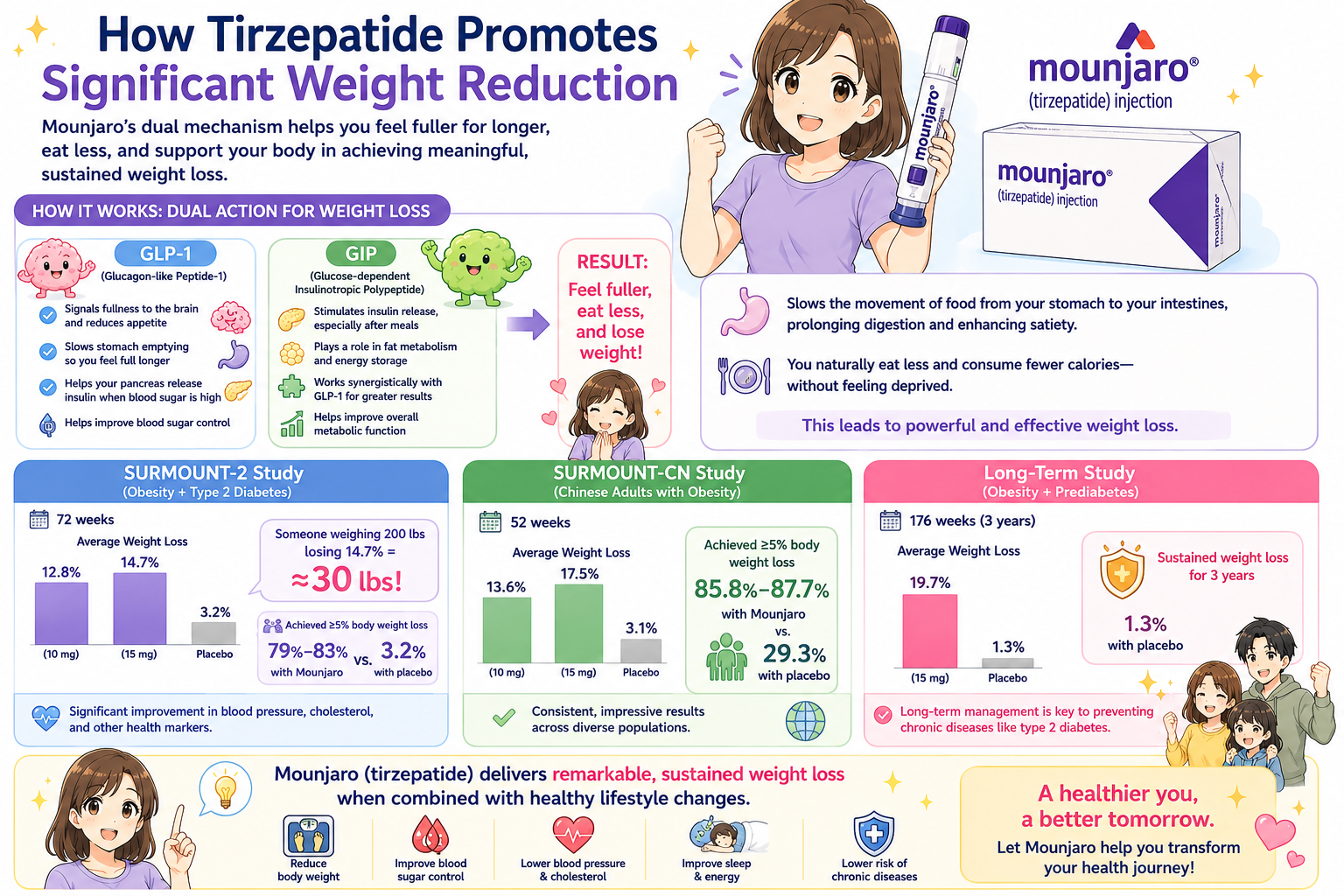
Key Differences from Other GLP-1 Medications Like Semaglutide
You may have heard of other effective medications used for weight management, such as those containing semaglutide. These medications, often referred to as GLP-1 receptor agonists, have certainly proven their worth in helping patients achieve weight loss by primarily targeting the GLP-1 receptor. This action is effective in suppressing appetite and improving blood sugar control.
However, Mounjaro distinguishes itself through its unique “dual agonist” mechanism, engaging both the GLP-1 and GIP receptors. While semaglutide acts like a single expert chef in the metabolic kitchen, Mounjaro brings in a second, equally skilled chef (GIP receptor activation). This additional pathway is believed to unlock enhanced effects on appetite regulation, fat metabolism, and overall metabolic improvement. The synergy between GIP and GLP-1 activation often leads to even greater weight loss outcomes compared to activating the GLP-1 pathway alone. For instance, in clinical trials, many patients using Mounjaro achieved nearly 20% total body weight reduction, a level often seen as a significant advantage over single-agonist approaches. This heightened efficacy means that for some individuals, Mounjaro may provide a more potent tool in their weight management strategy, offering a greater chance to reach their health goals.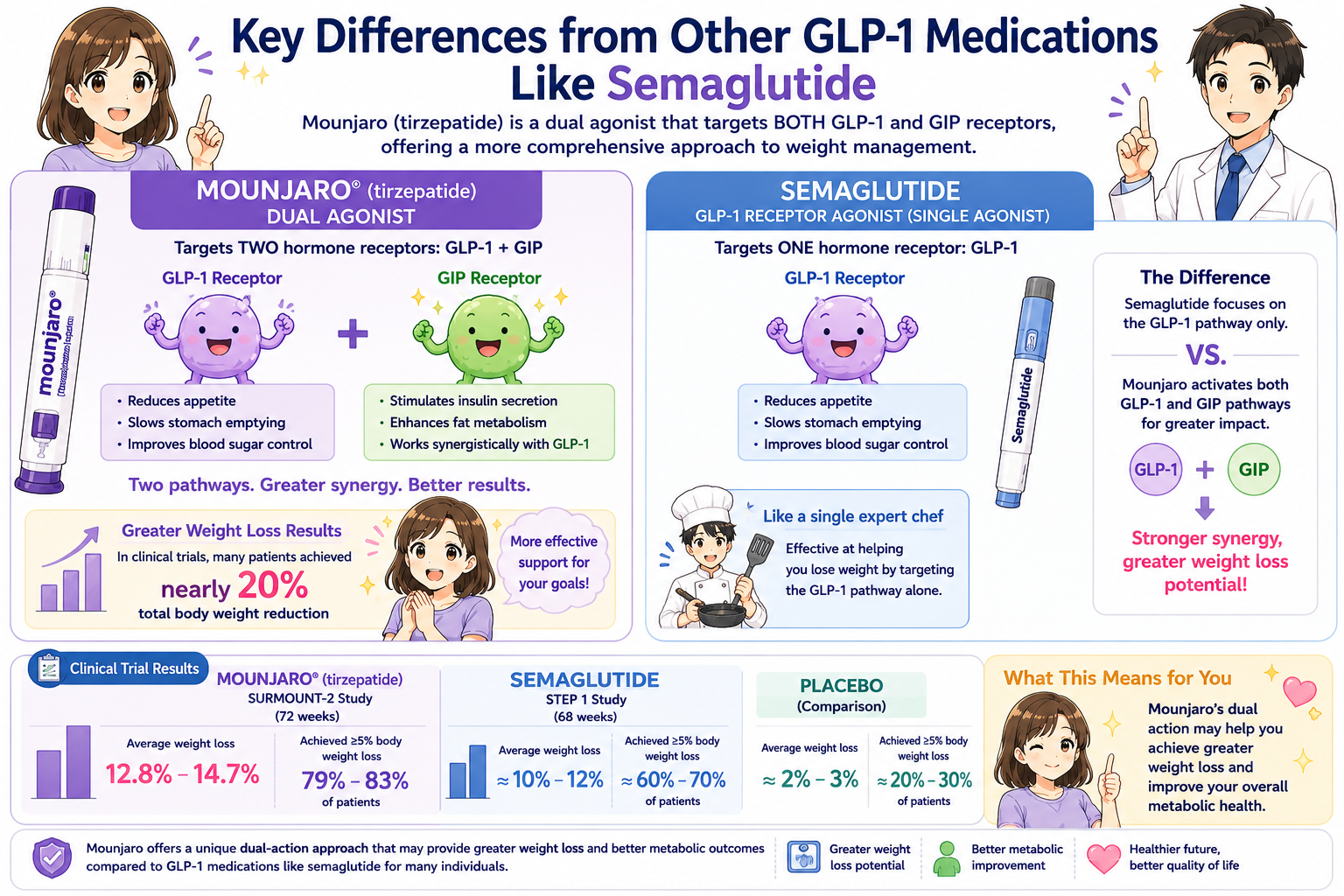
Understanding Mounjaro’s General Safety Profile and Common Side Effects
When considering any new medication, it’s natural and responsible to think about its safety and potential side effects. As a physician, I want to reassure you that Mounjaro’s safety profile has been thoroughly evaluated, and it is generally well-tolerated by most patients. The vast majority of side effects are related to the digestive system, which makes sense given how the medication works to slow digestion and affect appetite.
The most commonly reported side effects include:
- Nausea: A feeling of sickness in the stomach.
- Diarrhea: Loose, watery stools.
- Vomiting: Expelling stomach contents.
- Constipation: Difficulty in passing stools.
These gastrointestinal symptoms are typically mild to moderate in their intensity and tend to lessen over time as your body gradually adjusts to the medication. It’s often reassuring for patients to know that in large clinical trials, the number of individuals who had to discontinue treatment due to these side effects was remarkably low, typically less than 5%. This suggests that for most, the benefits outweigh these temporary discomforts. Furthermore, extensive research, including long-term studies, has not identified any new or unexpected safety concerns beyond what we already understand about this class of medications.
However, as with any medical treatment, open and honest communication with your healthcare provider is paramount. Before starting Mounjaro, it is essential to discuss your complete medical history. Your doctor will need to know if you have a personal or family history of specific conditions, such as medullary thyroid carcinoma (a rare type of thyroid cancer) or multiple endocrine neoplasia syndrome type 2 (a genetic condition affecting hormone-producing glands). These conditions are contraindications, meaning Mounjaro would not be a suitable treatment option. Additionally, if you have a history of pancreatitis (inflammation of the pancreas) or gallbladder disease, these are important factors for your doctor to consider when assessing if Mounjaro is a safe choice for you. Your healthcare team is there to guide you through this assessment, ensuring that the treatment plan is tailored to your unique health profile and offers the greatest potential for benefit with the lowest risk.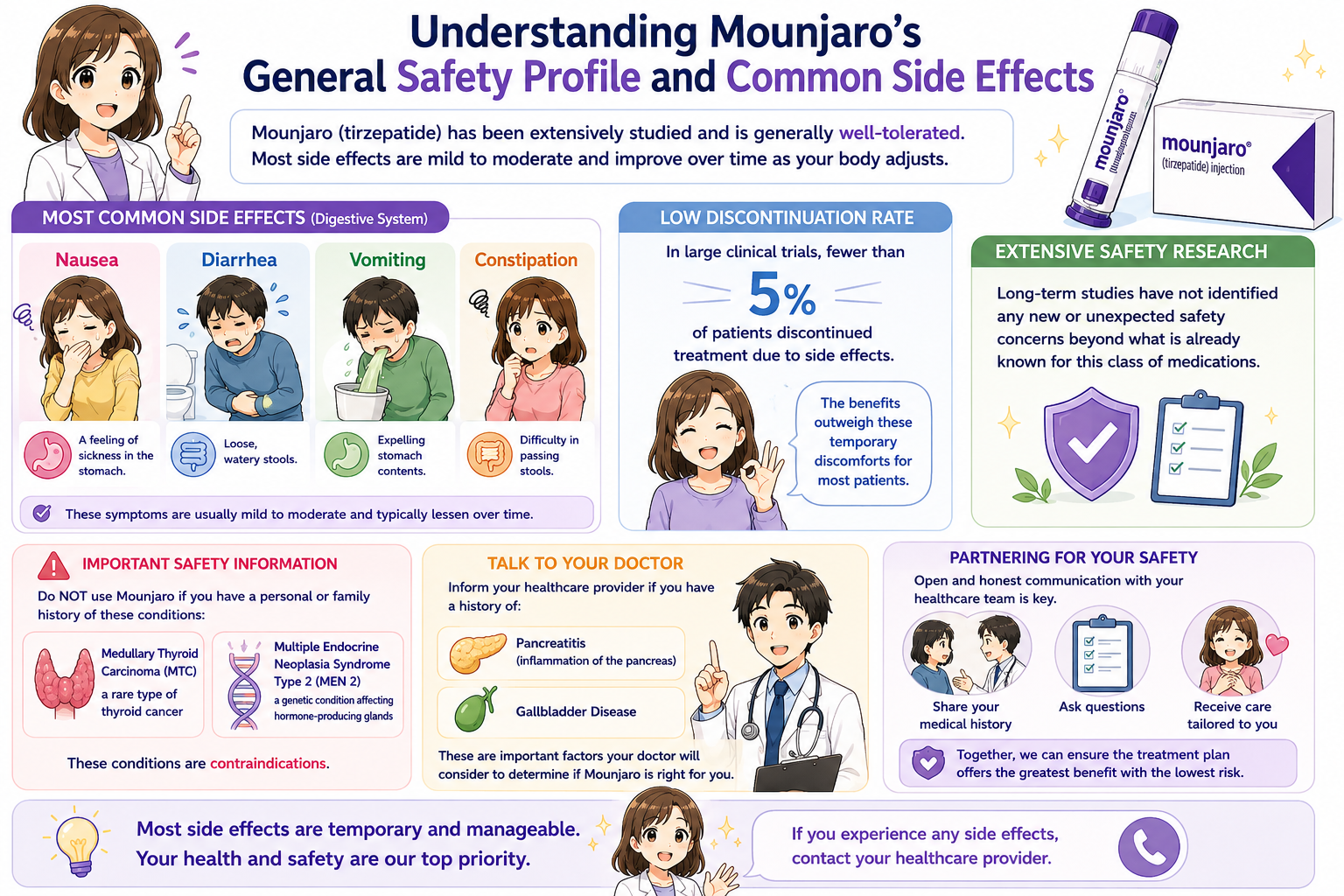
Beyond Weight Loss: Mounjaro’s Comprehensive Health Benefits
Embarking on a weight loss journey can indeed feel overwhelming, and it is entirely natural to focus keenly on the numbers you see on the scale. As a physician, I frequently see patients whose primary goal is to shed pounds, often overlooking the profound impact that significant weight reduction can have on their overall health and longevity. Mounjaro, while undeniably effective for weight management, offers far more than just a slimmer physique. It provides a powerful pathway to improved overall health, addressing several serious conditions that are often intricately linked to excess weight. Understanding these broader, life-changing benefits can truly empower you to make more informed and proactive decisions about your health.
Remarkable Weight Loss Outcomes from Clinical Studies
When we talk about Mounjaro’s impact, the weight loss figures are truly impressive and speak volumes about its potential. In clinical trials, Mounjaro has demonstrated not only significant but also sustained weight reduction over extended periods. Imagine a long-term study spanning three years involving individuals who live with both obesity and prediabetes – a common and concerning combination I encounter in my practice. These studies showed a dose-dependent reduction in body weight. This means that, for example, participants receiving the highest dose of Mounjaro (15mg) experienced an average weight loss of a remarkable 19.7% over 176 weeks, which is roughly three years. To put this into perspective, if someone weighs 250 pounds, a 19.7% weight loss translates to nearly 50 pounds! This is a stark contrast to the mere 1.3% average weight change seen in the placebo group over the same period.
What’s even more encouraging is that these benefits were observed across different dosages. Patients on 10mg experienced an average loss of 18.7%, and even those on 5mg saw a substantial 12.3% reduction. These findings vividly illustrate that Mounjaro provides a consistent and truly meaningful decrease in weight, often going far beyond what diet and exercise alone can achieve for many individuals struggling with obesity. From my clinical experience, when patients achieve this level of weight loss, it’s not just about fitting into old clothes; it’s about improved mobility, reduced joint pain, and a renewed sense of energy that profoundly impacts their daily lives.
Mounjaro’s Impact on Obstructive Sleep Apnea (OSA) and Related Conditions
Obstructive Sleep Apnea (OSA) is a condition I diagnose frequently, often in individuals who are also grappling with obesity. It’s a debilitating disorder where breathing repeatedly stops and starts during sleep, leading to loud snoring, daytime fatigue, and a significantly increased risk of serious health problems like heart disease and stroke. It’s like your body is constantly fighting to breathe while you’re trying to rest, leading to an utterly exhausting cycle.
Mounjaro has shown truly promising results in addressing OSA. Clinical trials, for instance, revealed that Mounjaro significantly reduced the Apnea-Hypopnea Index (AHI). AHI is a critical measure that tells us how many times per hour your breathing stops or becomes very shallow during sleep. A lower AHI means better sleep and fewer breathing disturbances. This improvement was seen regardless of whether participants were using Continuous Positive Airway Pressure (CPAP) therapy, which is often the first line of treatment.
But Mounjaro’s benefits extend beyond just reducing AHI. Treatment also led to a noticeable improvement in hypoxia, which refers to dangerously low oxygen levels in the blood during sleep. Imagine your body being deprived of oxygen multiple times every night – it takes a massive toll. Furthermore, we observed decreased inflammation markers like hsCRP, which is a protein in your blood that tells us about inflammation in your body. High levels are often linked to heart disease. Mounjaro also helped lower systolic blood pressure and, crucially, led to better patient-reported sleep quality. Patients tell me they feel more rested, more energetic, and more capable of engaging with their lives. This comprehensive improvement suggests that Mounjaro offers a valuable tool in not only managing weight but also directly alleviating the burden of OSA and its associated risks, significantly improving a patient’s quality of life.
Reducing the Risk of Type 2 Diabetes Progression
For many of my patients who are overweight or obese, the concern about developing Type 2 Diabetes (T2D) is very real. Prediabetes, where blood sugar levels are elevated but not yet high enough to be diagnosed as T2D, often feels like a ticking time bomb. This condition significantly increases the risk of progressing to full-blown T2D, which can lead to severe complications like kidney failure, nerve damage, blindness, and even the need for amputations. It’s a life-altering diagnosis that can dramatically change one’s daily routine, often involving strict dietary changes, regular blood sugar monitoring, and potentially daily medication or insulin injections.
This is where Mounjaro truly shines as a preventative measure. Studies have shown that Mounjaro dramatically lowers the risk of developing type 2 diabetes in individuals with obesity and prediabetes. In a pivotal three-year trial, a staggering difference was observed: only 1.3% of participants on Mounjaro progressed to type 2 diabetes, compared to a much higher 13.3% in the placebo group. This represents an over 90% reduction in the risk of developing T2D.
What’s more, this protective effect wasn’t temporary. Even after a 17-week break from the medication, the group initially treated with Mounjaro maintained a significantly lower incidence of T2D compared to the placebo group, with only 2.4% vs 13.7% developing the condition. This sustained benefit means Mounjaro provides a powerful shield, not just for weight management, but for actively preventing the long-term risk of a chronic and often debilitating condition. For a patient, this could mean avoiding years of medical complications, preserving their quality of life, and having the peace of mind that they are actively working to protect their future health.
Potential Cardiovascular and Limb Protective Benefits (PAD)
Obesity often brings with it a host of cardiovascular challenges, including high blood pressure, high cholesterol, and an increased risk of heart attacks and strokes. Beyond the heart, another serious condition often exacerbated by weight is Peripheral Artery Disease (PAD). PAD affects the blood vessels that supply blood to your limbs, most commonly your legs. Patients with PAD often experience pain in their legs when walking, cold feet, and slow-healing wounds, and it carries a significant risk of severe complications, including major adverse limb events (MALE), which in the worst cases can lead to amputations. Imagine struggling to walk even short distances, living with constant pain, and facing the fear of losing a limb.
Emerging real-world studies indicate that Mounjaro, as part of GLP-1-based therapies, offers significant potential in protecting both cardiovascular health and improving outcomes for PAD. These analyses have shown that these therapies can reduce the risk of major adverse limb events (MALE), helping to preserve mobility and prevent devastating surgeries. Furthermore, Mounjaro is associated with a decrease in major adverse cardiovascular events (MACE), which includes serious conditions like heart attacks and strokes.
These vascular protective benefits are particularly pronounced in patients with co-existing conditions like diabetes, where the risk of such complications is already elevated. It’s a comprehensive approach that targets the underlying metabolic issues and offers a protective shield against some of the most feared complications of obesity and related conditions. For my patients, knowing that a medication can not only help them lose weight but also actively safeguard their heart and limbs provides immense comfort and motivation on their health journey. It’s about not just adding years to life, but also adding life to those years.
Finding Mounjaro Prescribers in Nagoya with English Support
Embarking on a journey to manage your weight effectively with advanced treatments like Mounjaro, especially when you are in a new country like Japan, can understandably feel like navigating uncharted territory. Many individuals find themselves overwhelmed by the prospect of seeking medical care in an unfamiliar healthcare system, compounded by concerns about language barriers and cultural differences. As a physician, I’ve witnessed firsthand the anxiety that can arise when patients are unsure how to access specialized care or communicate their health needs effectively. However, please rest assured that Nagoya, a vibrant international city, offers excellent medical resources. With the right approach and clear guidance, you absolutely can find clinics dedicated to providing comprehensive, English-friendly care for your weight management journey, helping you achieve your health goals with confidence and peace of mind.
Identifying Clinics Specializing in Medical Weight Management
When you’re looking for a clinic that offers Mounjaro in Nagoya, the most crucial step is to seek out medical institutions that don’t just provide general care, but specifically specialize in comprehensive medical weight management. These clinics possess a deeper understanding of complex metabolic conditions and advanced pharmacological tools like Mounjaro. They often have experience with the nuances of these medications and can provide a holistic support system that extends far beyond simply writing a prescription.
From my clinical experience, focusing your search on departments such as “Internal Medicine,” “Endocrinology,” or dedicated “Weight Management” centers is often the most productive. Endocrinologists, for instance, are specialists in hormones and metabolism, making them exceptionally well-suited to manage medications like Mounjaro, which directly impact these systems. Many reputable clinics are keen to highlight their specialized services on their websites, often detailing their weight loss programs, bariatric services, or specific therapies available.
It’s also immensely helpful to leverage resources like online directories specifically designed for international clinics in Japan, or to consult expat community forums. These platforms often share invaluable first-hand recommendations and insights into clinics known for their quality of care and English support. When you’re researching, try to look for clinics that mention their involvement in or understanding of cutting-edge research. For example, some clinics may be familiar with studies demonstrating the efficacy of advanced weight management therapies in East Asian populations. A multicenter trial conducted in Japan and Taiwan, for instance, highlighted that combined advanced therapies could lead to a significant average body weight reduction of 18.4% in individuals with overweight or obesity, showcasing the potent impact of specialized treatments in this demographic. This kind of research background indicates a clinic’s commitment to staying at the forefront of effective weight management strategies. Choosing a clinic well-versed in such effective treatments can make a substantial difference in your weight loss journey.
Essential Criteria for English-Speaking Staff and Services
Effective, clear, and comprehensive communication is, without exaggeration, the bedrock of successful medical treatment, especially when dealing with complex medications and personalized care plans. When selecting a clinic in Nagoya, it’s not enough to simply hope someone might understand a few English phrases. You need to prioritize clinics that explicitly and reliably offer robust English language support across their entire service spectrum.
Consider these critical criteria, which I always emphasize to my international patients:
- Physician and Nursing Staff: It’s absolutely vital that you can have direct, clear, and comfortable conversations with your doctor and nurses in English throughout your consultations, follow-ups, and any urgent inquiries. Imagine trying to explain subtle changes in your body, clarifying dosage instructions for Mounjaro, or discussing potential side effects if there’s a language barrier – it can lead to dangerous misunderstandings and undue stress. Your medical team should not only speak English but also be adept at explaining complex medical information in an understandable way, much like explaining how Mounjaro works to a middle school student.
- Administrative Support: Don’t overlook the importance of the administrative staff. Your experience begins at reception. Can the receptionists and administrative team efficiently assist you with scheduling appointments, explaining billing procedures, and handling general inquiries in English? A smooth administrative process dramatically reduces potential stress points and ensures your focus remains on your health.
- Translated Materials: Access to crucial patient intake forms, detailed consent documents, explicit medication instructions for Mounjaro (including how to self-administer the injection), and educational resources in English is non-negotiable. Without these, you might inadvertently miss vital information about your treatment plan or responsibilities. For instance, understanding the importance of proper storage for Mounjaro or what to do if you miss a dose requires clear, written guidance.
- Website Information: A well-designed, comprehensive website that provides detailed information in English about their services, including specific details on Mounjaro treatment, is an excellent indicator of a clinic’s commitment to international patients. It shows they’ve invested in making their services accessible and transparent from the outset.
These elements collectively ensure that you fully comprehend every aspect of your Mounjaro treatment plan, from its benefits and potential side effects to logistical details, enabling you to express any concerns confidently and without frustrating language barriers.
Step-by-Step Guide to Your First Mounjaro Consultation
Preparing thoroughly for your initial consultation can transform what might otherwise be a stressful experience into a smooth, productive, and empowering start to your Mounjaro journey in Nagoya. Think of it as laying the groundwork for a successful partnership with your new healthcare team.
Here’s a step-by-step guide based on what I typically advise my patients:
- Book Your Appointment with Clarity: When you first contact the clinic, whether by phone or email, be very explicit about your interest in Mounjaro for weight loss. Crucially, confirm that they offer comprehensive English language support for this specific treatment. A simple “I would like to inquire about Mounjaro treatment and need an English-speaking doctor” can make a big difference. This upfront communication helps the clinic allocate the appropriate staff and resources for your visit.
- Gather Your Comprehensive Medical History: Before your appointment, dedicate time to compiling a detailed account of your health. This should include all past and present medical conditions (even those you consider minor), a complete list of all medications you are currently taking (including over-the-counter drugs, supplements, and vitamins), any known allergies, and a summary of your previous weight loss attempts, including what worked and what didn’t. The more complete this picture is, the better your physician can assess your suitability for Mounjaro and tailor a safe and effective plan. For instance, if you’ve had a history of pancreatitis or gallbladder issues, this information is vital for your doctor to consider.
- Prepare Necessary Documents: On the day of your consultation, ensure you have your passport, your Japanese residence card (if you are a resident), and any relevant international health insurance information. Some clinics may also ask for recent medical records from your home country, so it’s a good idea to have those on hand or be prepared to send them electronically.
- Engage in a Thorough Initial Assessment: During this consultation, anticipate an in-depth discussion. Your physician will ask about your health history, your weight goals, your lifestyle, and your expectations for Mounjaro. They will explain in detail how Mounjaro works, its benefits, potential side effects, and how it fits into a broader weight management strategy. This is your opportunity to ask every question you have – don’t hold back. Remember, your doctor is not just there to prescribe, but to educate and guide you.
- Undergo Pre-Treatment Evaluation: To ensure Mounjaro is a safe and appropriate option specifically for you, most clinics will require certain tests. This typically includes blood tests to check your kidney and liver function, blood sugar levels, and other metabolic markers. A physical examination will also be conducted. These evaluations are crucial to rule out any contraindications (reasons why you shouldn’t take the medication) and to establish a baseline before you begin treatment. For example, if there’s any concern about your thyroid or pancreas, these tests will help clarify the situation.
This structured approach ensures that the medical team has all the necessary information to provide you with the safest and most effective care, setting you up for success on your Mounjaro journey.
Ensuring Culturally Sensitive and Comprehensive Communication
Beyond simply speaking English, truly effective medical care in a new country hinges on culturally sensitive and comprehensive communication. This means the clinic and its staff don’t just translate words, but they also understand the underlying context, customs, and potential differences in how healthcare is perceived and delivered. As a physician, I’ve observed that feeling truly understood and respected is just as vital as receiving the correct medication.
Consider these aspects to ensure your experience is not only medically sound but also culturally comfortable:
- Active Listening Beyond Words: A truly culturally sensitive medical team will practice active listening. This means they’re not just hearing your English words, but they’re also attuned to your non-verbal cues, potential unspoken concerns, and the cultural lens through which you view your health. For instance, some patients might be less direct in expressing pain or discomfort than others, and a sensitive clinician will pick up on these nuances.
- Clarification of Japanese Healthcare Practices: Expect and ask for clear explanations about local healthcare norms, which might differ from what you’re used to. This could include specifics about the prescription process (e.g., in Japan, prescriptions are often filled at separate pharmacies, not directly at the clinic), how follow-up appointments are typically scheduled, or the nuances of navigating Japanese health insurance. For international patients, understanding these local “rules of the road” can significantly reduce confusion and frustration.
- Personalized Lifestyle Advice Reflecting Local Context: When discussing diet and exercise – critical components of any successful weight management plan – the guidance should be practical and personalized to your environment in Nagoya. For example, recommendations for healthy eating should consider local food availability, dining customs, and even the prevalence of certain types of restaurants. Similarly, exercise advice should factor in local opportunities for physical activity, such as parks, gyms, or walking routes in the city.
- Open Dialogue on Concerns and Cultural Perspectives: It’s absolutely encouraged for you to discuss any anxieties or beliefs you have about medication use for weight management. Cultural views on health, diet, and pharmaceuticals can vary significantly, and an open dialogue helps your medical team understand your perspective. For example, some cultures may have different perspectives on injectables or long-term medication use. Your comfort and understanding are paramount, and a culturally sensitive clinic will make space for these conversations, ensuring you feel empowered and confident in your treatment choices.
A clinic that combines excellent English communication with this deeper level of cultural understanding will not only empower you to make informed decisions but will also foster a sense of trust and comfort, making your Mounjaro journey in Nagoya a far more positive and successful experience.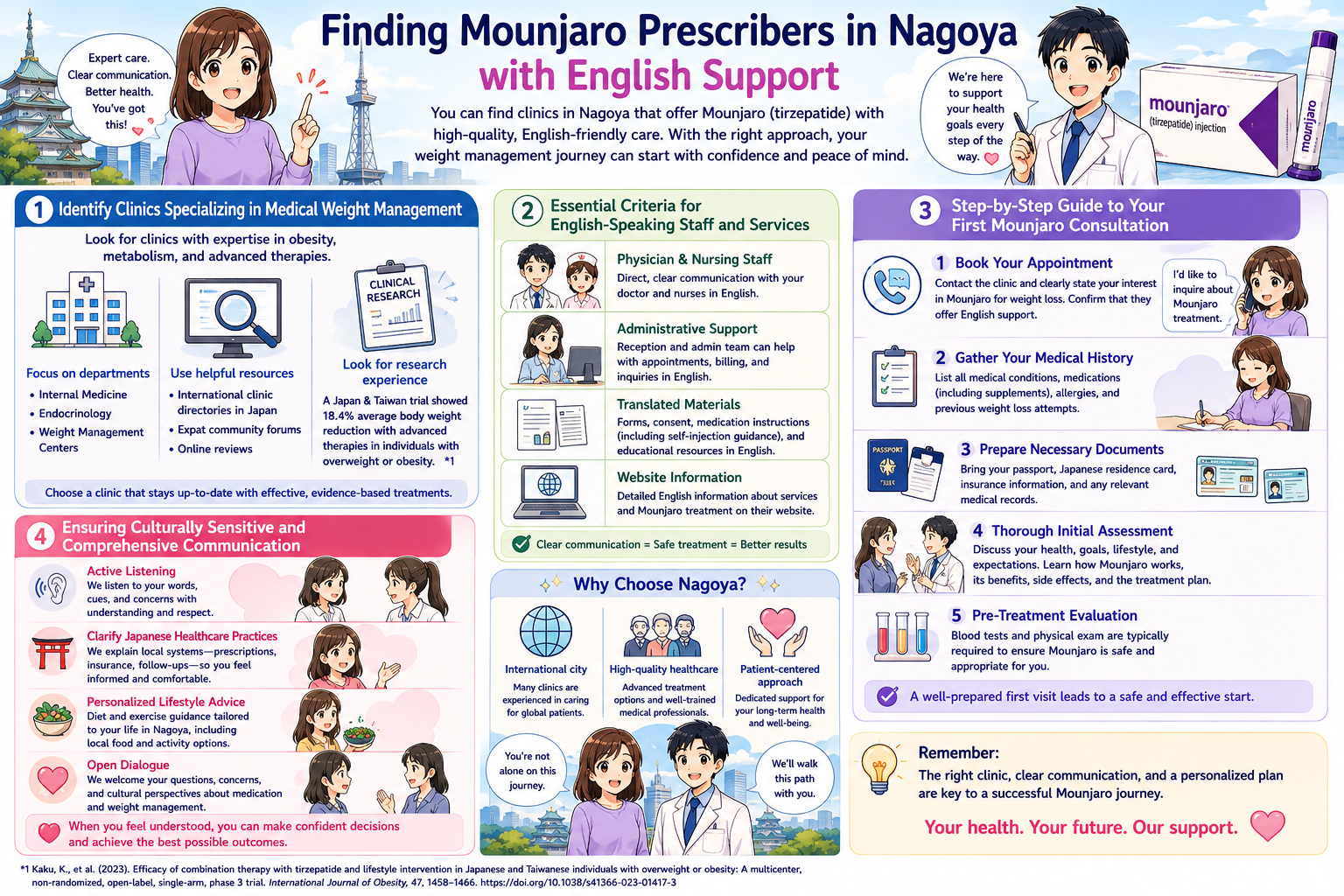
Understanding Mounjaro Treatment Logistics in Japan
Embarking on a journey to manage your weight effectively with advanced treatments like Mounjaro can be a truly life-changing decision. However, when you’re doing so in a new country like Japan, navigating the healthcare system can understandably feel like deciphering a complex puzzle. As a physician who has guided many international patients, I recognize the concerns that naturally arise—questions about how treatment works here, what it costs, and how to ensure smooth communication. My goal in this section is to provide you with a clear roadmap, demystifying the practical and financial considerations of accessing Mounjaro in Nagoya, so you can approach your health goals with confidence and peace of mind, focusing on your well-being rather than logistical worries.
Comprehensive Breakdown of Mounjaro Treatment Costs in Nagoya
When considering Mounjaro for weight management in Nagoya, it’s essential to understand that the overall cost is not just a single price tag, but rather a combination of several important components. Think of it like building a house; there are costs for the foundation, the framing, the interior, and ongoing maintenance. For your health, these components ensure a thorough, safe, and effective treatment journey.
Here’s a breakdown of what you can typically expect to contribute towards:
- Initial Consultation Fee: This is the starting point. It covers your first comprehensive medical evaluation with the physician. During this crucial visit, I would spend considerable time reviewing your entire health history, discussing your specific weight loss goals, current lifestyle, and any past attempts at weight management. We would explore whether Mounjaro is the right fit for you, considering your overall health picture. Depending on the clinic and the depth of the initial assessment, this fee can range anywhere from ¥5,000 to ¥15,000. It’s an investment in understanding your unique situation and laying the groundwork for a personalized plan.
- Diagnostic Tests and Screenings: Before starting a powerful medication like Mounjaro, a physician must ensure it’s safe for you. This typically involves blood tests to check various markers, such as your liver and kidney function, blood sugar levels (HbA1c), cholesterol, and sometimes thyroid function. These tests are vital for establishing a baseline and ruling out any contraindications. For instance, if your liver isn’t functioning optimally, Mounjaro might not be appropriate. These tests can add an additional ¥10,000 to ¥30,000, depending on the number and type of tests required. While it might seem like an extra cost, it’s a critical safety measure I insist upon for my patients.
- Follow-up Visits: Weight management with Mounjaro is not a one-time event; it’s a journey that requires consistent monitoring and adjustments. Regular follow-up appointments, typically every few weeks to a month, are crucial. During these visits, we’ll monitor your progress, discuss any side effects, adjust your Mounjaro dosage as needed (as dosages are gradually increased), and provide ongoing support and advice. Each follow-up visit might range from ¥3,000 to ¥8,000. These frequent check-ins are key to maximizing Mounjaro’s effectiveness while ensuring your safety and addressing any concerns promptly.
- Mounjaro Medication Itself: The core cost, of course, is the Mounjaro injection pen. The price for this medication varies significantly based on the dosage prescribed (e.g., 2.5mg, 5mg, 7.5mg, 10mg, 12.5mg, 15mg) and the specific clinic’s pricing structure. Since Mounjaro pens are designed for weekly self-injection, a month’s supply (typically four pens) can range from approximately ¥30,000 to over ¥70,000 as you titrate up to higher, more effective doses. This is often the most substantial part of the treatment cost.
It’s important to mentally prepare for these cumulative costs. As Mounjaro treatment for weight loss in Japan is generally an out-of-pocket expense (which we’ll discuss further), planning for this financial commitment over several months to a year is a critical step in your journey.
Navigating Japanese Health Insurance and International Plans for Weight Loss
Understanding how insurance works in Japan, especially for new and specialized treatments like Mounjaro for weight loss, is one of the most common points of confusion for my international patients. Let me clarify this often-complex area:
In Japan, Mounjaro (tirzepatide) has received official approval from the Ministry of Health, Labour and Welfare specifically for the treatment of Type 2 Diabetes. This means that for patients diagnosed with Type 2 Diabetes, Mounjaro is covered by the Japanese National Health Insurance. However, and this is a crucial distinction, if Mounjaro is prescribed solely for weight management in individuals without Type 2 Diabetes, it is currently considered an “off-label” use.
What does “off-label” mean in practical terms for you? It signifies that when Mounjaro is used for weight loss outside of a diabetes diagnosis, Japanese National Health Insurance will generally not cover the cost of the medication or related consultations/tests. This means you will almost certainly be responsible for the full cost of the treatment out-of-pocket, as if you were purchasing any other non-covered medical service or product.
If you possess an international health insurance plan, this is where diligent preparation becomes paramount. Do not assume coverage. Instead, I strongly advise you to contact your insurance provider before your initial consultation. You’ll want to ask very specific questions, such as:
- “Does my plan cover ‘off-label’ medication use, specifically for weight management, when prescribed by a physician in Japan?”
- “What is the process for submitting claims and seeking reimbursement for treatments received abroad?”
- “Are there any specific documentation requirements (e.g., detailed invoices, diagnostic codes, physician’s notes) that the Japanese clinic would need to provide?”
- “Is there an annual limit for weight management treatments or for medications not explicitly covered by a local national health system?”
I’ve unfortunately seen patients face significant financial surprises because they didn’t clarify these points upfront. For example, one patient with excellent international coverage for most medical needs discovered their plan explicitly excluded “off-label” prescriptions for obesity, leaving them to bear the full cost of Mounjaro. Each international plan has unique terms and conditions, so direct communication with your provider is the most reliable way to understand your potential coverage and avoid unexpected expenses. Be prepared that even with international insurance, full reimbursement for off-label weight loss treatments is often rare.
Requirements for Obtaining a Mounjaro Prescription as a Non-Resident
As a non-resident seeking to obtain a Mounjaro prescription in Japan, you’ll find the process is thorough, mirroring the high standards of Japanese medical care. It’s not simply a matter of walking in and asking for a prescription; a comprehensive evaluation is required to ensure your safety and suitability for the medication.
Here are the key requirements and what you can expect for your initial clinic visit:
Valid Identification: You will absolutely need to present official identification. This universally includes your valid passport. If you are residing in Japan on a long-term visa, your Japanese residence card (Zairyu Card) is also essential, as it often contains vital identification and address information. These documents are necessary for clinic registration and for legal prescribing.
Comprehensive Medical History: While not strictly mandatory for receiving an appointment, having a detailed summary of your medical history from your home country can be immensely helpful for the physician in Japan. This should ideally include:
- A list of all current and past medical conditions you’ve been diagnosed with (e.g., hypertension, high cholesterol, prediabetes).
- A complete list of all medications you are currently taking, including over-the-counter drugs, supplements, and vitamins.
- Any known allergies to medications or other substances.
- A history of your weight loss efforts, including any previous medications, diets, or surgeries.
- Crucially, information regarding any personal or family history of specific conditions such as medullary thyroid carcinoma or multiple endocrine neoplasia syndrome type 2, as these are contraindications for Mounjaro.
- Any history of pancreatitis or gallbladder disease.
Even with these records, understand that Japanese clinics will conduct their own comprehensive medical evaluation and consultations. This is a standard medical practice, as the physician here needs to establish their own diagnostic findings and ensure they are comfortable prescribing within Japanese medical guidelines. They will typically perform a physical examination and order their own set of blood tests. From my perspective as a physician, this is not about distrusting your previous records, but about ensuring the highest level of care and accountability within the local system. It creates a robust patient-doctor relationship grounded in a fresh, local assessment.
Open and Honest Communication: This cannot be overstated. It is critical to be completely open and honest about your health background and any current medications during your consultation. With English support available at clinics like ours, you will have the opportunity to discuss everything in detail. The clinic staff, often including bilingual coordinators, will guide you through all necessary forms and procedures, ensuring a smooth and understandable process from start to finish. Our goal is to ensure safe and appropriate treatment tailored to you, and that begins with clear and complete information.
Payment Options and Financial Planning for International Patients
When you’re undergoing Mounjaro treatment in Nagoya as an international patient, especially since it’s likely an out-of-pocket expense for weight management, understanding your payment options and planning your finances is crucial for a stress-free journey.
Clinics in Nagoya catering to international patients typically offer a variety of convenient payment methods:
- Cash (Japanese Yen): This is universally accepted across Japan. Many patients find it helpful to carry a certain amount of cash for smaller medical expenses, although for the cost of Mounjaro, larger cash payments might require a trip to an ATM or bank.
- Major Credit Cards: Most reputable clinics, especially those experienced with international patients, readily accept major credit cards such as Visa, MasterCard, American Express, and JCB. Confirming this with the clinic beforehand is always a good idea.
- Debit Cards: Payments via debit cards linked to major international banking networks are also commonly accepted.
While direct billing to international insurance companies is less common, particularly for self-pay weight loss treatments, clinics can and will provide you with detailed receipts and comprehensive documentation. This documentation is vital. It typically includes:
- Itemized invoices listing all services, tests, and medication.
- The name and dosage of the medication (Mounjaro/tirzepatide).
- Relevant diagnostic codes (if applicable, for your condition).
- The physician’s signature and the clinic’s official stamp.
You will then be responsible for submitting these documents to your international insurance provider for potential reimbursement according to your policy terms. Remember, the key here is to have clarified your insurance coverage before starting treatment, as discussed in the previous section.
From a physician’s perspective, financial planning for Mounjaro treatment requires a realistic outlook. This is not a short-term solution. Effective weight management with Mounjaro often requires continuous therapy for many months, if not longer, to achieve and sustain significant weight loss. This means:
- Budget for the Long Haul: Instead of just thinking about one month’s cost, budget for at least 6 to 12 months of treatment. This includes the medication itself (which can increase in price as your dosage is titrated upwards), as well as regular follow-up consultations and periodic tests.
- Factor in Dose Titration: The starting dose of Mounjaro is low and gradually increased. While initial pens might be less expensive, the cost will likely increase as you move to higher, more therapeutically effective doses.
- Discuss Payment Schedules: Some clinics might offer package deals for multiple months or different payment arrangements. It’s always worth inquiring about these options with the administrative staff.
By proactively understanding these financial aspects and planning accordingly, you can ensure that your focus remains squarely on your health journey and achieving your weight loss goals, free from undue financial stress.
Maximizing Your Mounjaro Journey: Long-Term Success Strategies
Embarking on a weight loss journey with Mounjaro is indeed a significant and hopeful step towards a healthier future. As a physician, I’ve observed firsthand that while medications like Mounjaro offer incredible potential, true and lasting success isn’t just about starting treatment; it’s about understanding that weight management, especially with a powerful tool like Mounjaro, is a continuous journey. It’s not a quick fix or a temporary solution, but rather a long-term strategy for managing a chronic condition. Think of it similarly to how we manage high blood pressure or diabetes—consistent effort and ongoing treatment yield the best results.
One of the most critical insights we’ve gained from extensive research, such as the pivotal SURMOUNT-4 clinical trial, is the undeniable importance of maintaining treatment with Mounjaro to sustain weight loss. This study involved individuals who had already achieved significant weight reduction after an initial phase of Mounjaro treatment. When these participants were then randomized, some continuing Mounjaro and others switching to a placebo, the results were strikingly clear. Those who continued Mounjaro not only maintained their remarkable initial weight loss (an average of 20.9% in the first 36 weeks) but often achieved even greater reduction, reaching an average total weight loss of 25.3% over 88 weeks. For a patient starting at 200 pounds, this means an average loss of over 50 pounds! A staggering 89.5% of these individuals successfully maintained more than 80% of their initial weight loss.
In stark contrast, patients who discontinued Mounjaro and switched to a placebo experienced significant weight regain, averaging a 14.0% increase in body weight from week 36 to week 88. Only a small fraction, 16.6%, managed to maintain their initial weight loss without the medication. This data provides a crucial message: our bodies have powerful mechanisms that often try to regain lost weight once a weight-loss intervention is stopped. Mounjaro helps to counteract these biological drives, making it an invaluable partner in long-term weight management. Therefore, approaching your Mounjaro journey with the understanding that it’s a long-term commitment, paired with appropriate lifestyle changes, is absolutely foundational to achieving and maintaining the health benefits you deserve.
Safe Self-Administration of Mounjaro: Training and Best Practices
For Mounjaro to be effective and safe, mastering the self-administration technique is paramount. Many patients initially feel a bit anxious about giving themselves an injection, but I can assure you that with proper training and practice, it quickly becomes a routine part of your health regimen. Our clinic is dedicated to providing comprehensive, step-by-step guidance to ensure you feel entirely confident and comfortable with the process.
Here’s what we cover, and what I emphasize to my patients for best practices:
- Hands-on Demonstration and Practice: Your journey begins with a personalized training session. A registered nurse or I will demonstrate the injection technique using a special practice pen that simulates the actual device but without medication. We’ll walk you through each step slowly, answering all your questions. The most important part? You’ll have the opportunity to practice yourself under our direct supervision. This ensures you master the grip, the angle, and the pressure, turning initial apprehension into confidence. I often tell patients, “Think of it like learning to tie your shoes—it feels awkward at first, but soon it’s second nature.”
- Strategic Site Selection: Mounjaro is typically injected into the fatty tissue just under the skin. The most common and recommended sites are the abdomen (at least two inches away from your belly button), the thigh, or the upper arm (if someone else is giving you the injection). The absolute golden rule here is rotation, rotation, rotation! Injecting into the same spot repeatedly can lead to skin irritation, hardening of the tissue, or even affect how well the medication is absorbed. Imagine poking the same small area repeatedly; it’s going to get sore and tough. So, if you inject into your right abdomen one week, aim for your left thigh the next, and so on. We’ll help you create a mental or even written rotation schedule.
- Impeccable Preparation: Before you even touch the pen, always wash your hands thoroughly with soap and water to prevent infection. Next, using an alcohol swab, clean the specific injection site you’ve chosen. Make sure to let the alcohol dry completely before injecting; this prevents stinging and ensures the cleaning is effective.
- The Injection Process – Understanding the Pen: Mounjaro comes in a pre-filled, single-dose pen designed for ease of use. You’ll simply place the pen flat and firmly against your skin, unlock it (if applicable for your specific pen design), and press the injection button. You’ll typically hear two “clicks”: the first click indicates the injection has started, and the second click (after a few seconds) signals that the dose has been fully delivered. It’s crucial to hold the pen firmly against your skin until you hear that second click. I tell patients, “Don’t rush it; those clicks are your reassurance.”
- Safe Disposal – A Critical Step: After your injection, immediately dispose of the used pen in a designated sharps container. Never attempt to recap the needle or throw it directly into household trash. Sharps containers prevent accidental needle sticks and are a non-negotiable part of safe self-administration. We can guide you on where to obtain a sharps container and how to dispose of it properly in your area.
- Proper Storage – Protecting Your Medication: Unused Mounjaro pens are sensitive to temperature and must be stored in the refrigerator (between 2°C and 8°C). Never freeze Mounjaro. Once you start using a pen, or if it’s been taken out of the refrigerator for convenience, it can typically be stored at room temperature (below 30°C or 86°F) for up to 21 days. However, always check the specific instructions on your medication packaging, as details can vary. My advice is to keep it refrigerated until ready for use to ensure maximum potency.
Should you accidentally miss a dose, do not panic. It’s important to contact your healthcare provider immediately for guidance. The general rule is never to take two doses to make up for a missed one, as this could lead to increased side effects. We’ll help you determine the best course of action to get back on track safely.
Effective Management of Common Gastrointestinal Side Effects
It’s important to have an open conversation about potential side effects, as being prepared can make all the difference in your treatment journey. As indicated by large-scale clinical studies like SURMOUNT-4, gastrointestinal (GI) side effects are the most common adverse events experienced with Mounjaro. The good news is that these are typically mild to moderate in intensity and, most importantly, often improve significantly over time as your body adjusts to the medication. My patients often tell me that the initial discomfort subsides considerably within the first few weeks or months. Understanding how to proactively manage these symptoms can help you stay comfortable and committed to your treatment.
Here are the most common GI side effects and strategies I recommend to my patients:
- Nausea (Feeling Sick to Your Stomach): This is perhaps the most frequently reported side effect. Mounjaro works, in part, by slowing down how quickly food leaves your stomach (gastric emptying). This can lead to a feeling of fullness and, sometimes, nausea.
- Eat smaller, more frequent meals: Instead of three large meals, try five or six smaller portions throughout the day. This reduces the load on your digestive system.
- Avoid fatty, spicy, or fried foods: These types of foods are harder to digest and can worsen nausea. Think bland and gentle.
- Choose bland foods: Options like toast, plain crackers, boiled rice, or applesauce are often well-tolerated.
- Stay hydrated by sipping fluids: Water, clear broths, or even ginger tea (ginger is a natural anti-emetic) can help settle your stomach. Avoid sugary drinks or excessive caffeine.
- Avoid lying down immediately after eating: Give your stomach some time to start digesting before you recline.
- Constipation (Difficulty Passing Stool): Just like nausea, Mounjaro’s effect on slowing digestion can sometimes lead to constipation.
- Increase your fiber intake: Incorporate plenty of fiber-rich foods into your diet. Think fresh fruits (like berries and apples), vegetables (broccoli, spinach), whole grains (oatmeal, whole wheat bread), and legumes (beans, lentils). Aim for around 25-30 grams of fiber per day.
- Drink plenty of water: Fiber needs water to work effectively, helping to soften your stool. Aim for at least 8 glasses of water daily.
- Engage in regular, gentle physical activity: Even a daily walk can stimulate bowel movements. Our bodies are designed to move, and movement aids digestion.
- Consider over-the-counter aids (with physician approval): If lifestyle changes aren’t enough, your doctor might recommend a fiber supplement or a gentle stool softener.
- Diarrhea (Loose, Watery Stools): While less common than constipation, some individuals may experience diarrhea, especially during the initial titration phase.
- Prioritize hydration and electrolyte replacement: Diarrhea can lead to dehydration and loss of essential electrolytes. Sip on water, clear broths, or electrolyte-rich drinks (like sports drinks, diluted fruit juice, or oral rehydration solutions).
- Follow the BRAT diet: Bananas, rice, applesauce, and toast are bland, easy-to-digest foods that can help firm up stools.
- Avoid trigger foods: Foods high in fat, caffeine, artificial sweeteners, or dairy products can exacerbate diarrhea.
It is crucial to maintain open communication with our clinic. If you experience severe abdominal pain, persistent vomiting (meaning you can’t keep any food or fluids down), diarrhea that lasts for more than a day or two and leads to signs of dehydration (e.g., extreme thirst, dark urine, dizziness), or any other concerning symptoms that worry you, please contact us immediately. While these side effects are usually manageable and transient, your comfort and safety are our top priorities, and we are here to support you in navigating your Mounjaro journey effectively.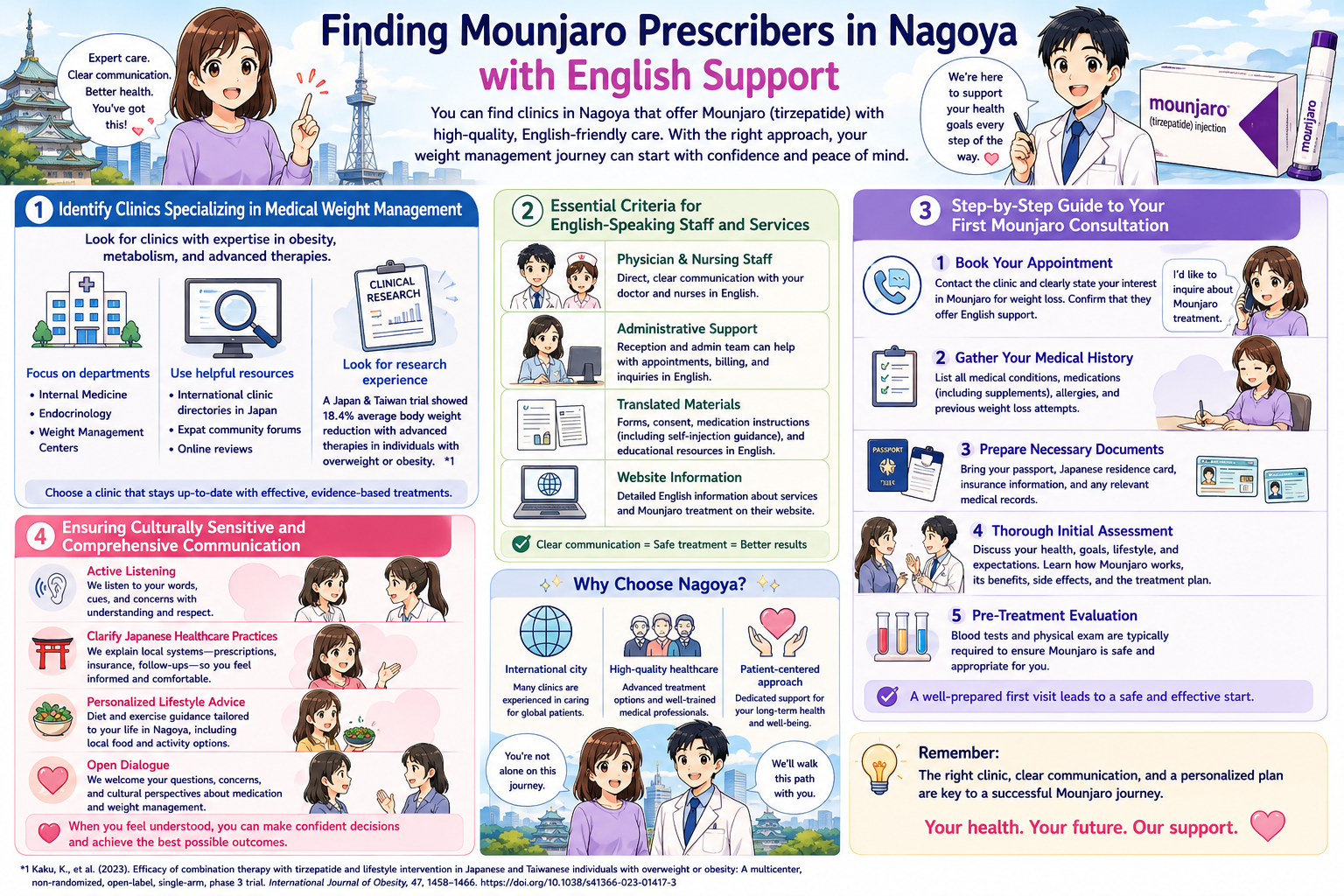
Summary
Mounjaro (tirzepatide) offers a groundbreaking dual-action approach to weight management, demonstrating significant and sustained weight loss (e.g., nearly 20% over long periods). Beyond shedding pounds, it provides crucial health benefits, including improving sleep apnea, dramatically reducing Type 2 Diabetes risk, and offering cardiovascular protection.
For international patients in Nagoya, accessing Mounjaro requires finding specialized clinics with comprehensive English support, understanding that weight loss treatment is typically an out-of-pocket expense, and meticulous financial planning. Remember that Mounjaro is a long-term commitment, and mastering safe self-administration and managing potential gastrointestinal side effects are key to success.
If you’re ready to explore this transformative treatment, prepare your medical history, clarify insurance details, and reach out to an English-speaking clinic to embark on a journey towards a healthier you.
References
- Malhotra A, et al. Tirzepatide for the Treatment of Obstructive Sleep Apnea and Obesity.
- Zhao L, Cheng Z, Lu Y, Liu M, Chen H, Zhang M, et al. Tirzepatide for Weight Reduction in Chinese Adults With Obesity: The SURMOUNT-CN Randomized Clinical Trial.
- Garvey W T, Frias J P, Jastreboff A M, le Roux C W, Sattar N, Aizenberg D, et al. Tirzepatide once weekly for the treatment of obesity in people with type 2 diabetes (SURMOUNT-2): a double-blind, randomised, multicentre, placebo-controlled, phase 3 trial.
- Jastreboff A M, et al. Tirzepatide for Obesity Treatment and Diabetes Prevention.
- Aronne L J, et al. Continued Treatment With Tirzepatide for Maintenance of Weight Reduction in Adults With Obesity: The SURMOUNT-4 Randomized Clinical Trial.
- Boccatonda A, D’Ardes D, Brighenti A, Cipollone A, Simeone PG, Guagnano MT, et al. GLP-1-based therapies and limb outcomes in PAD: a systematic review and meta-analysis of real-world studies.
- Yamauchi T, Becker NP, Hagemann CA, Huang KC, Kiyosue A, Lim S, et al. Efficacy and safety of co-administered cagrilintide and semaglutide versus semaglutide alone in adults with overweight or obesity with or without type 2 diabetes in Japan and Taiwan (REDEFINE 5): a multicentre, randomised, active-controlled, phase 3a trial.


