


English-Supported Acne Care in Nagoya by a Board-Certified Plastic Surgeon
Are you tired of the endless cycle of breakouts, treatments, and disappointment? Dealing with persistent acne is more than just a skin issue; it’s a frustrating battle that can deeply impact your self-esteem, making you shy away from photos or dread looking in the mirror. You’ve tried countless over-the-counter products and perhaps even standard treatments, yet the problem persists, leaving you wondering if clear skin is achievable. The emotional toll is real, with studies confirming a link between severe acne and feelings of anxiety and depression. You are not alone in this struggle, as acne affects an estimated 85% of people between the ages of 12 and 24, often continuing well into adulthood.
But what if the key to finally winning this battle lies in a different approach? While dermatologists are experts in skin health, a board-certified plastic surgeon offers a uniquely powerful perspective. We don’t just see pimples; we see the skin’s entire architecture. Think of us as “skin architects,” dedicated not only to clearing active acne but to fundamentally rebuilding your skin’s health, texture, and structure from the inside out. Our expertise lies in diagnosing the precise cause of your breakouts and, crucially, addressing the long-term damage like scarring that standard treatments often can’t fix.
This article will guide you through this comprehensive approach to acne care in Nagoya. We’ll demystify why your acne persists by exploring its true causes, from hormonal factors to other skin conditions that mimic acne. You will discover how we accurately diagnose different types of scars—from deep “ice pick” pits to “boxcar” depressions—and deploy advanced reconstructive techniques to repair them. We’ll also explain how we create a personalized plan that combines insurance-covered medications with cutting-edge private therapies to give you the best possible results. It’s time to move beyond temporary fixes and begin your journey toward lasting skin health and renewed confidence.
Why Choose a Plastic Surgeon for Acne Treatment in Nagoya?
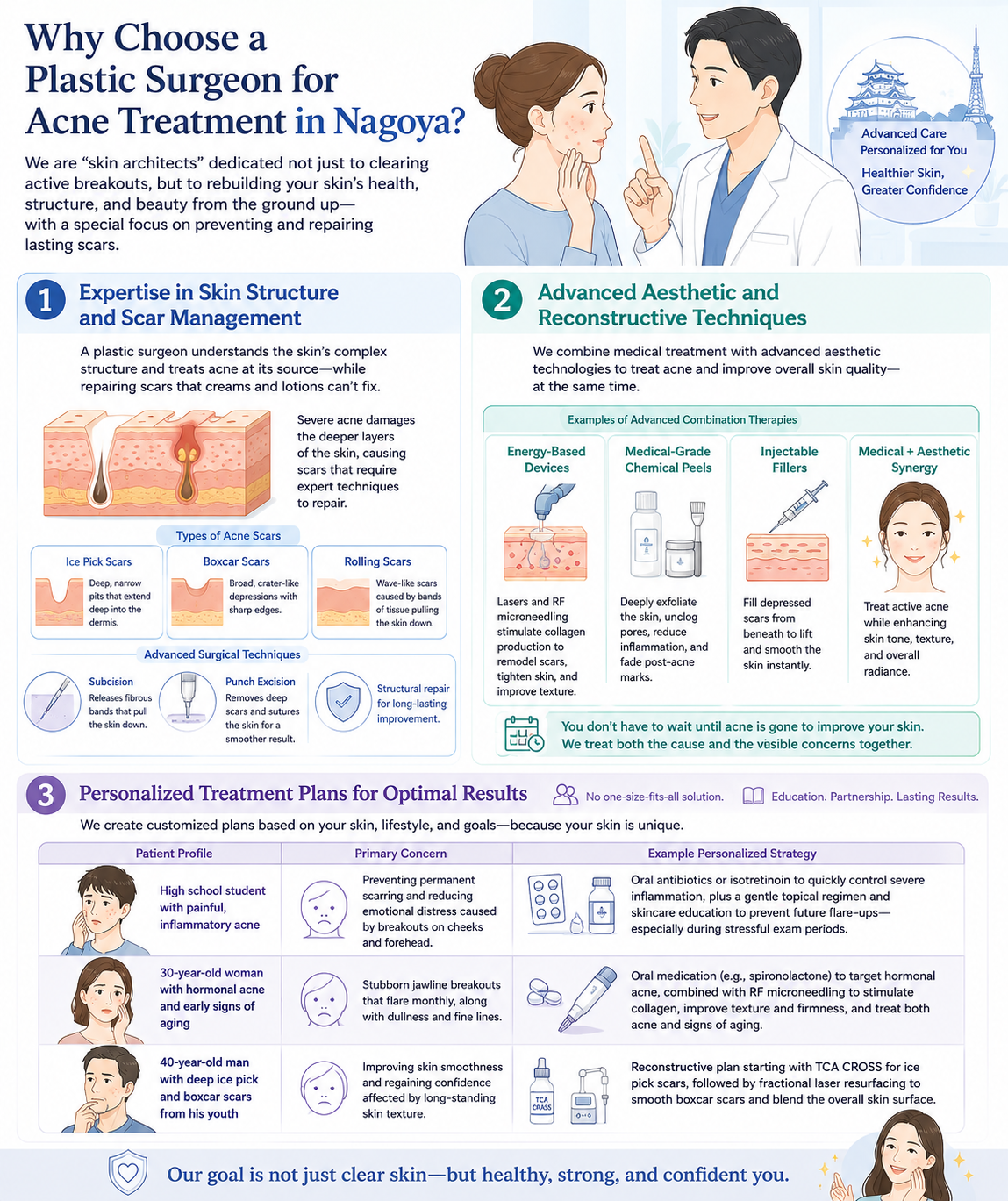
Dealing with persistent acne can be an isolating and frustrating journey. It’s more than just a few pimples; it’s an issue that can deeply affect your self-esteem and quality of life. When over-the-counter products have failed you, it’s natural to seek professional help. But who should you turn to? While a dermatologist is an excellent choice for skin health, a board-certified plastic surgeon offers a uniquely powerful perspective. We are not just focused on clearing active breakouts; we are “skin architects” dedicated to rebuilding your skin’s health, structure, and beauty from the ground up, paying special attention to the prevention and repair of lasting scars.
Expertise in Skin Structure and Scar Management
A plastic surgeon’s training provides an unparalleled understanding of the skin’s multi-layered anatomy. This is crucial because severe acne isn’t just a surface problem—it’s an inflammatory process that damages the deeper dermal layers, leading to permanent scarring that creams and lotions can’t fix.
Think of it this way: if a powerful storm damages the foundation and framework of a house, a simple coat of paint won’t solve the problem. You need a structural engineer who can repair the damage from within. As plastic surgeons, we act as those engineers for your skin. Our deep knowledge of tissue mechanics allows us to accurately diagnose the specific type of acne scars you have—a critical first step emphasized in modern dermatological research.
According to the widely used acne scar classification system, scars are typically categorized as:
- Ice Pick Scars: These are deep, narrow pits that look as if the skin was punctured by a tiny, sharp object. Because the damage extends deep into the dermis, they are notoriously difficult to treat with surface-level treatments.
- Boxcar Scars: These are broader, crater-like depressions with sharply defined edges, similar in appearance to chickenpox scars. They give the skin a “pockmarked” or uneven texture.
- Rolling Scars: These create a wave-like or undulating appearance on the skin. They are caused by bands of scar tissue forming under the skin, pulling the surface down and creating shallow, wide depressions.
A plastic surgeon has the unique skill set to address these structural problems directly. For deep rolling scars, we can perform a procedure called subcision, where a special needle is used to break up the fibrous bands that are tethering the skin down, immediately releasing the depression. For deep ice pick scars, a punch excision might be used to surgically remove the scar and suture the skin for a much less noticeable result. These are techniques that go beyond standard care to fundamentally reconstruct and repair the skin.
Advanced Aesthetic and Reconstructive Techniques
Plastic surgeons are at the forefront of combining medical treatment with aesthetic restoration. We understand that in today’s world of high-definition video calls and social media, many patients want to address not just acne, but also overall skin quality, texture, and signs of aging. A common question we hear from adult patients is, “Do I have to wait until my acne is completely gone before I can start treatments for fine lines or dullness?”
The answer is a resounding no. As recent expert discussions have highlighted, acne is not a barrier to receiving aesthetic care. In fact, we can often treat both issues simultaneously. For instance, we can combine a regimen of oral and topical medications for active acne with advanced procedures that also improve skin tone and texture.
Examples of Advanced Combination Therapies:
- Energy-Based Devices: We utilize cutting-edge technologies like Fractional CO2 Lasers, Pico Lasers, and Radiofrequency (RF) Microneedling (e.g., SylfirmX). These devices work by creating thousands of microscopic treatment zones in the skin, which triggers your body’s natural healing response to produce new, healthy collagen. This process not only remodels scars but also tightens the skin and improves its overall texture.
- Medical-Grade Chemical Peels: Unlike over-the-counter peels, our treatments use potent formulations to deeply exfoliate the skin, unclog pores, reduce inflammation, and fade the red or brown marks (post-inflammatory hyperpigmentation) left behind by pimples.
- Injectable Fillers: The use of fillers in acne scar treatment has grown significantly. For certain rolling or atrophic (depressed) scars, we can carefully inject hyaluronic acid fillers to lift the base of the scar, making it level with the surrounding skin for an instantly smoother appearance.
This integrated approach means you don’t have to put your aesthetic goals on hold. We can clear your acne while actively working to give you the smooth, radiant skin you desire.
Personalized Treatment Plans for Optimal Results
There is no “magic bullet” for acne. The most effective treatment is one that is 100% customized to you—your skin type, the severity and type of your acne, your lifestyle, and your personal goals. A plastic surgeon excels at creating these multi-faceted, long-term strategies.
We believe that patient education is the cornerstone of successful treatment. Our role is to be your dedicated partner in your skin health journey. We take the time to explain why your skin is behaving the way it is and how each component of your treatment plan is designed to help. When you understand your condition, you become empowered to maintain your results for life.
Here are a few examples of how we tailor our plans to real-life patient needs:
| Patient Profile | Primary Concern | Example Personalized Strategy |
|---|---|---|
| A high school student with painful, inflammatory acne | Preventing permanent scarring and reducing the emotional distress caused by severe breakouts on the cheeks and forehead. | We might start with a course of oral antibiotics or isotretinoin to quickly bring the severe inflammation under control. This would be combined with a gentle, non-irritating topical regimen and education on a proper skincare routine to avoid future flare-ups, especially during stressful exam periods. |
| A 30-year-old woman with persistent hormonal acne and early signs of aging | Stubborn pimples along the jawline that flare up monthly, along with concerns about skin dullness and fine lines. She feels she’s fighting teenage skin and adult skin at the same time. | Her plan could involve oral medication like spironolactone to target the hormonal driver of her acne. Simultaneously, we would introduce a series of RF Microneedling sessions. This powerful combination addresses her active breakouts while also stimulating collagen to improve skin texture and firmness, tackling both problems in one cohesive plan. |
| A 40-year-old man with deep, “ice pick” and “boxcar” scars from his youth | Improving skin smoothness and regaining confidence that has been affected for decades by the texture of his skin. | His treatment would be a true reconstructive effort. It might begin with several sessions of TCA CROSS, a technique where a high concentration of acid is placed precisely into each ice pick scar to stimulate new tissue growth from the bottom up. This would be followed by fractional laser resurfacing to smooth the broader boxcar scars and blend the overall skin surface. |
Understanding Your Acne Types and Causes
Dealing with acne can be a deeply personal and frustrating battle. It’s far more than a simple skin issue; it’s a condition that can chip away at your self-confidence, making you want to avoid social events or even hide from the camera. If you’re struggling, know that you are not alone. Research shows that acne affects approximately 85% of people between the ages of 12 and 24, and for many, it can persist well into adulthood. This shared experience highlights a crucial point: acne is a medical condition, not a personal failing.
The constant cycle of breakouts, treatments, and disappointment can lead to significant emotional distress, including anxiety and depression, which studies have linked to severe acne. However, the journey to clearer skin begins with a single, powerful step: accurately understanding what is happening beneath your skin’s surface. A correct diagnosis is the cornerstone of any effective treatment plan, allowing us to move beyond temporary fixes and target the root cause of your concerns.
Common Types of Acne We Treat (Blackheads, Whiteheads, Cysts)
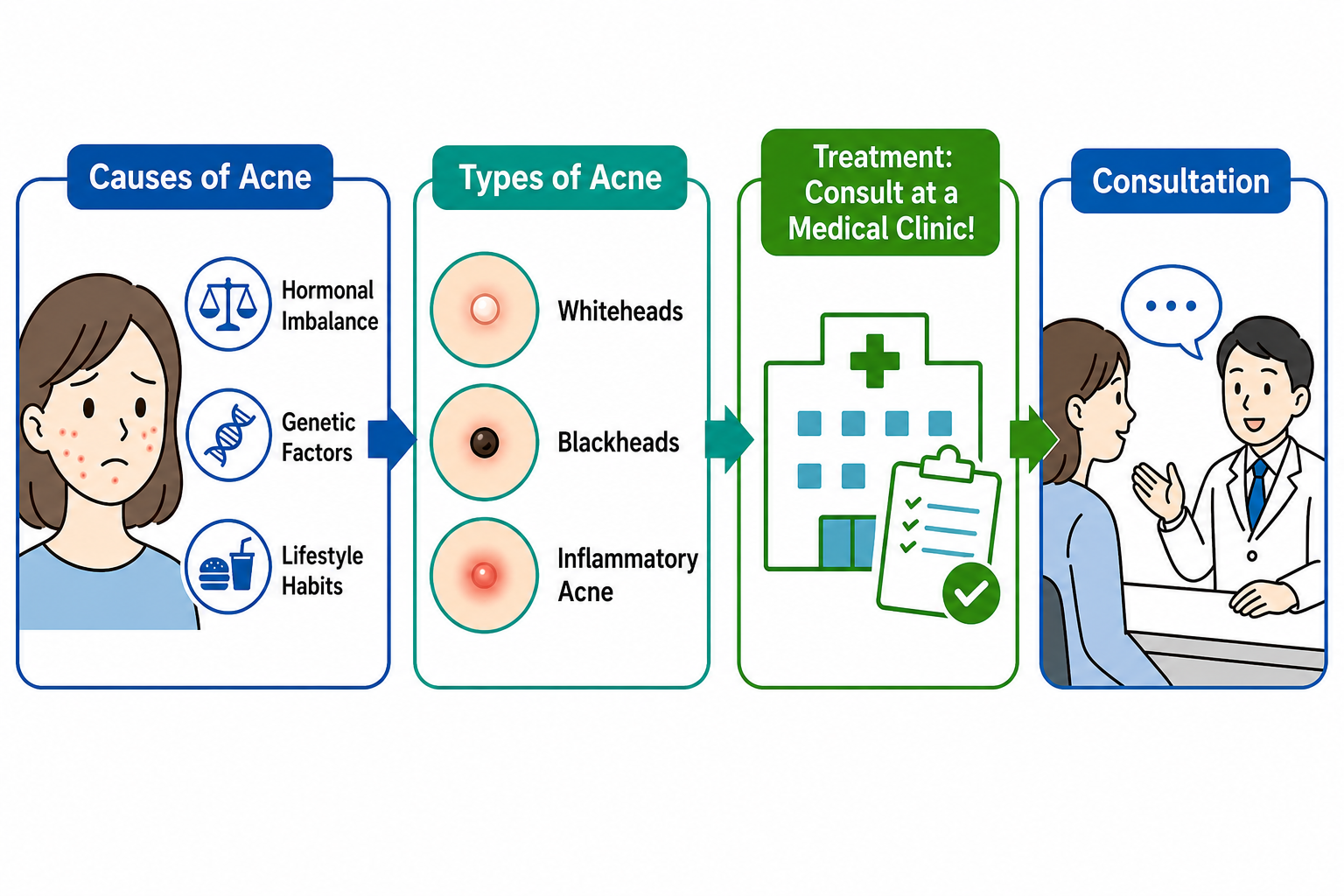
Acne isn’t a single entity; it’s a spectrum of lesions, and identifying your specific type is like a detective gathering clues. We can broadly classify acne into two main categories: non-inflammatory (clogged pores) and inflammatory (red, angry pimples). Understanding where your acne falls on this spectrum is critical because it dictates our treatment approach.
| Type of Acne | Appearance & Mechanism | Clinical Perspective & Patient Experience |
|---|---|---|
| Whiteheads (Closed Comedones) | These are small, flesh-colored bumps caused by a pore becoming completely clogged with oil and dead skin cells. Think of it as a tiny balloon inflating under the skin with no opening. | They create an uneven, bumpy texture but are not typically painful. Attempting to squeeze them can easily cause inflammation and turn them into a red pimple. |
| Blackheads (Open Comedones) | Similar to a whitehead, but the pore remains open to the air. The dark appearance is not dirt; it’s the result of the trapped oil and skin cells oxidizing (reacting with oxygen), much like a cut apple turns brown. | While less noticeable than red pimples, they can be persistent, especially on the nose and chin. Proper extraction techniques are important to avoid damaging the pore. |
| Papules | These are the small, red, and tender bumps that mark the beginning of inflammation. This happens when the wall of the clogged pore breaks, allowing bacteria (specifically C. acnes) to trigger an immune response from your body. | This is the stage where you start to feel discomfort or mild pain. They don’t have a visible “head” of pus. |
| Pustules | Commonly known as “pimples” or “zits,” these are papules that have progressed to form a visible white or yellow center of pus. The pus is a collection of dead white blood cells that your body sent to fight the infection. | These are often what people are most tempted to pop. However, improper squeezing can push bacteria deeper into the skin, worsening inflammation and increasing the risk of scarring. |
| Nodules & Cysts | This is the most severe form of acne. The inflammation goes deep into the dermis (the skin’s deeper layer), forming large, hard, and painful lumps. Nodules are solid, while cysts are filled with pus. | These lesions can last for weeks or months and are extremely painful to the touch. Crucially, they carry the highest risk of causing permanent scarring, such as the “ice pick” or “boxcar” scars we discussed earlier. This is a dermatological emergency, and prompt professional treatment is vital to prevent lifelong skin texture damage. |
Hormonal, Lifestyle, and Genetic Factors
A common frustration we hear from patients is, “I wash my face and eat healthy, so why do I still have acne?” The answer is that acne is a complex disease driven by an interplay of factors, not just one single cause. A “one-size-fits-all” cream often fails because it doesn’t address your unique combination of triggers.
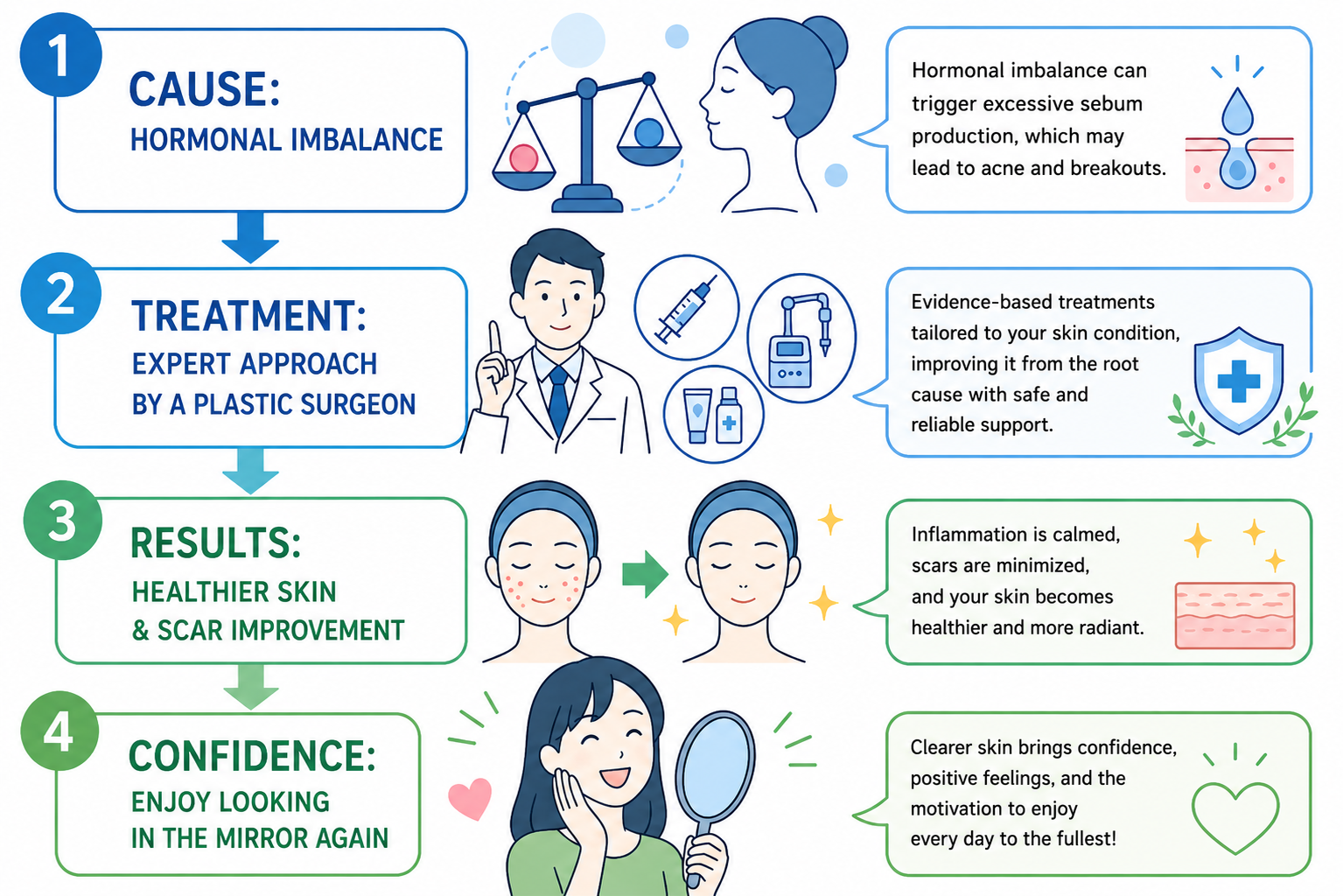
Hormonal Influence: Hormones are powerful messengers, and a specific group called androgens (which are present in both men and women) are a primary driver of acne. Androgens signal your oil glands to produce more sebum (oil). This is why acne flare-ups are so common during puberty. For adult women, hormonal fluctuations before a menstrual period often lead to stubborn pimples along the jawline and chin. High levels of stress also disrupt your hormonal balance, which is why you might notice breakouts during exam periods or demanding work projects.
Genetic Predisposition: If your parents had acne, you have a significantly higher chance of experiencing it yourself. You don’t inherit acne itself, but you do inherit the traits that make you susceptible to it. This can include having naturally oilier skin, a tendency for skin cells to stick together and clog pores more easily, or a more robust inflammatory response to bacteria.
Lifestyle & Environmental Factors:
- Skincare Habits: In the quest for clear skin, it’s easy to do more harm than good. Over-washing or using harsh scrubs can strip your skin’s natural protective barrier, leading to irritation, redness, and even more oil production as your skin tries to compensate. Conversely, fearing that moisturizers will clog pores and avoiding them can also backfire, as dehydrated skin can also overproduce oil.
- Dietary Connections: While the “chocolate and greasy foods cause acne” myth has been largely debunked, emerging research suggests a link for some individuals. High-glycemic-index foods (like white bread, sugary snacks, and white rice) can spike blood sugar and insulin levels, which may in turn stimulate oil production. Some studies also point to a connection between dairy consumption and acne flare-ups in certain people. It’s not a universal rule, but it can be a contributing factor worth exploring.
- Medications and Products: Certain medications (like corticosteroids or some anticonvulsants) can trigger acne. Furthermore, using pore-clogging (comedogenic) makeup, hair products, or lotions can directly lead to breakouts.
Differentiating Acne from Other Skin Conditions
Not every red bump on your face is acne. We often see patients who have been self-treating for “stubborn acne” for months, only to discover they have a completely different condition. Using standard acne treatments on these look-alikes can be ineffective at best and can significantly worsen the problem at worst, leading to side effects like extreme dryness or irritation. A professional diagnosis is essential to get you on the right path.
Common conditions we differentiate from acne include:
- Rosacea: This condition often appears in adulthood and is characterized by persistent facial redness, flushing, and visible tiny blood vessels, particularly on the cheeks and nose. While it can cause pimple-like bumps (papules and pustules), it typically lacks the blackheads seen in acne. A patient might say, “My cheeks are always red and feel hot, and acne creams just make them burn.”
- Folliculitis: This is an infection or inflammation of the hair follicles. It looks like a sudden eruption of small, uniform red bumps, often in areas like the beard, scalp, chest, or back. Unlike acne, which has a variety of lesion types, folliculitis bumps tend to look very similar to each other. It can be caused by bacteria or even a type of yeast (fungus).
- Perioral Dermatitis: This presents as a rash of tiny, inflamed bumps and pustules clustered specifically around the mouth, nose, and sometimes the eyes. We often see this in patients who have been using a topical steroid cream on their face for another issue, which can trigger this specific rash.
To make an accurate diagnosis, we use our clinical expertise and tools like a dermatoscope (a special magnifying lens) to examine the skin’s structure. This ensures that the treatment plan we create for you is not just a guess, but a precise strategy targeting your specific condition.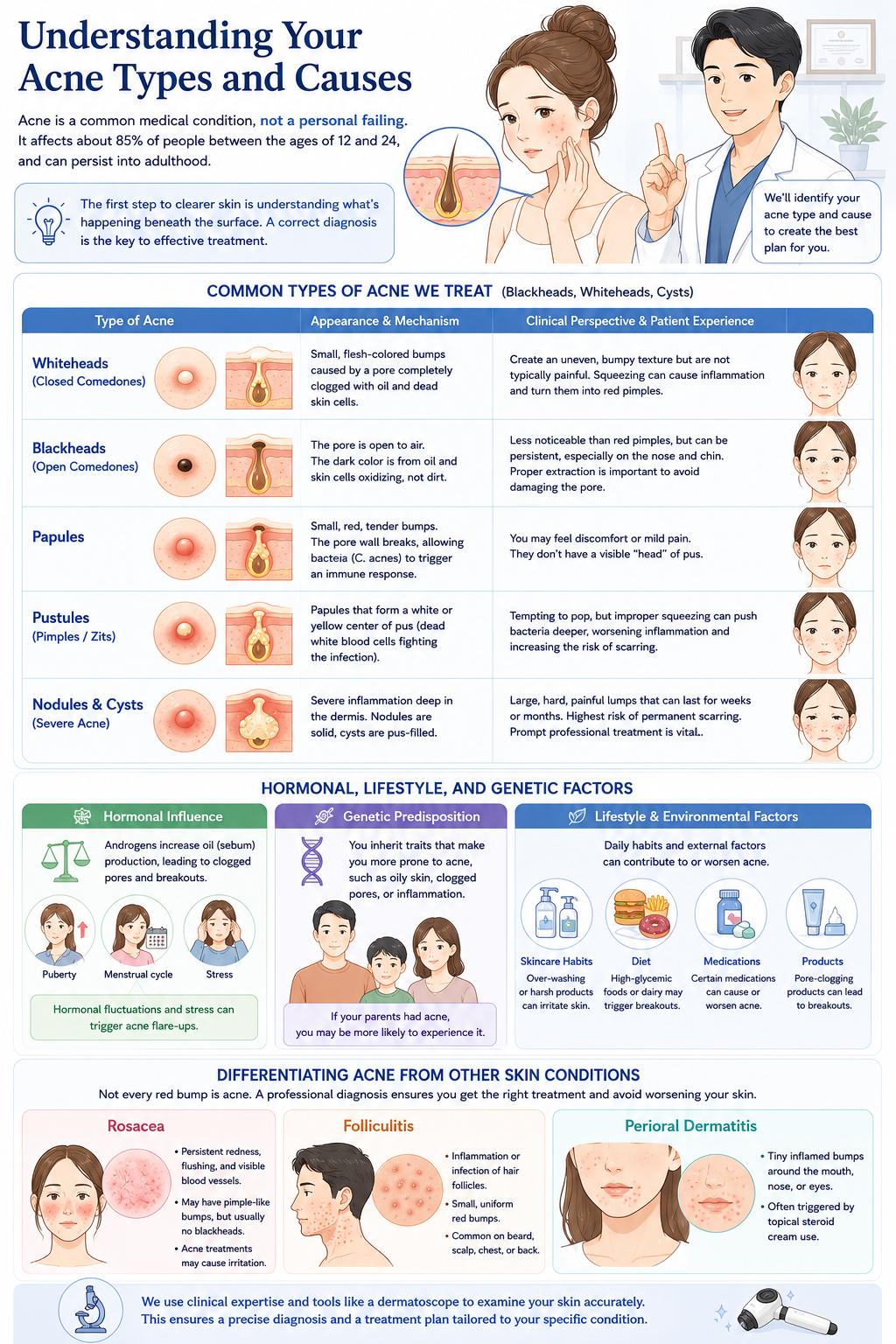
Our Comprehensive Acne Treatment Options
The journey to clear skin is unique for everyone. What works for a friend or family member may not work for you, and that’s perfectly normal. We see acne not as a single problem, but as a complex condition with a unique story behind it. That’s why we’ve built our treatment philosophy around partnership and personalization. We combine foundational, insurance-covered therapies with the most advanced private medical procedures to create a plan that is truly yours. Our goal isn’t just to treat pimples; it’s to restore your skin’s health and your confidence.
Japanese Insurance-Covered Treatments (Topicals, Oral Medication)
For many of our patients, the path to controlling acne begins with effective treatments covered by Japanese National Health Insurance (NHI). These therapies are the cornerstone of acne management, providing a strong foundation to control active breakouts and prevent new ones.
Topical Medications (Creams and Gels): These are applied directly to the skin and are a frontline defense. We might prescribe a retinoid (like Adapalene) to help regulate skin cell turnover and prevent pores from clogging in the first place. Think of it as ensuring the “drain” in your pores doesn’t get blocked. We often combine this with antibacterial agents like benzoyl peroxide or clindamycin to reduce the C. acnes bacteria that fuel inflammation. A typical starting regimen could be a benzoyl peroxide wash in the morning and a retinoid cream at night.
Oral Medications (Pills): When acne is more widespread, inflammatory, and painful, topical treatments alone may not be enough to calm the storm. In these cases, we may prescribe oral antibiotics. While doxycycline has long been a standard choice, we are mindful of the growing global issue of antibiotic resistance, where medications become less effective over time. Therefore, we manage their use carefully, often as a short-term “fire extinguisher” to control severe flare-ups.
Reflecting modern research, we also consider alternatives. For example, a systematic review has shown that oral azithromycin, often given in a “pulse therapy” (taken just a few days a week or month), can be as effective or even superior to daily doxycycline, particularly for reducing non-inflammatory blackheads and whiteheads. Patients often find this regimen easier to tolerate with fewer side effects, making it a valuable option in our toolkit.
Advanced Private Treatments (Chemical Peels, Lasers, Microneedling)
When insurance-covered treatments aren’t enough, or when you want to actively improve your skin’s texture and tone, we move to our advanced private medical therapies. These treatments allow us to target acne and its aftermath more precisely and powerfully.
Medical-Grade Chemical Peels: Forget the mild peels you might find online. Our professional peels use solutions like glycolic acid or salicylic acid to deeply exfoliate the skin, dissolve oil and debris inside the pores, and calm inflammation. A structured review has confirmed that these superficial peels are a safe and well-tolerated treatment for active acne. We tailor the choice to your skin; for instance, research suggests salicylic acid peels can be particularly effective for darker skin tones, often showing more rapid improvement in clearing blemishes compared to other acids.
Phototherapy (Lasers and Light-Based Treatments): We can use specific wavelengths of light to strategically fight acne. This isn’t a one-size-fits-all approach. As highlighted in clinical research, we can:
- Use Blue/Red LED light to target mild-to-moderate inflammatory acne. The blue light directly kills C. acnes bacteria on the skin, while the red light penetrates deeper to reduce inflammation and promote healing.
- Employ Intense Pulsed Light (IPL) to reduce the persistent redness and post-inflammatory marks left behind after a pimple has healed.
- For severe, oily acne, Photodynamic Therapy (ALA-PDT) can be a powerful option to shrink overactive oil glands.
Microneedling (e.g., Dermapen 4): This procedure, also known as collagen induction therapy, is a game-changer for both active acne and early scarring. By creating thousands of controlled micro-punctures in the skin, we trigger your body’s own powerful healing response to generate new, healthy collagen. A systematic review of 33 different studies confirmed that microneedling is a safe and effective procedure for improving the appearance of acne. It helps to break down old, problematic tissue and rebuild a smoother, healthier skin surface from within.
Isotretinoin (Accutane) Therapy for Severe Acne
For some patients, acne can be relentless. When you’re dealing with deep, painful nodules and cysts that leave scars and have resisted all other treatments, oral isotretinoin (commonly known by brand names like Accutane, Roaccutane, or Accure) can be a truly life-altering option. This powerful vitamin A derivative is the only medication that targets all four major causes of acne: it dramatically reduces oil production, prevents pore clogging, fights bacteria, and calms inflammation.
Because of its strength, isotretinoin treatment requires a serious commitment and close medical supervision with regular check-ups and blood tests. We know that patients often worry about side effects like dryness, itching, or an initial “purging” flare-up. That’s why we stay at the forefront of the latest research to make the experience as comfortable as possible. A recent global meta-analysis involving over 600 patients found that combining isotretinoin with a simple antihistamine (desloratadine) significantly boosts the treatment’s effectiveness while reducing common side effects like itching and initial breakouts. This combination leads to higher patient satisfaction without any additional safety risks, and it’s an approach we can discuss to make your journey to clear skin smoother and more comfortable.
Specialized Treatments for Acne Scars
We understand that the emotional impact of acne doesn’t always end when the breakouts stop. The scars left behind can serve as a constant, frustrating reminder. As plastic surgeons, we view scar revision not as a cosmetic touch-up, but as a reconstructive process to rebuild your skin’s architecture. There is no single “best” treatment for scars; the optimal approach depends entirely on a correct diagnosis of your specific scar types.
First, we use an established classification system to identify your scars:
- Ice Pick Scars: Deep, narrow pits.
- Boxcar Scars: Wider, crater-like depressions with sharp edges.
- Rolling Scars: Shallow, wave-like undulations in the skin.
Based on this diagnosis, we create a multi-faceted strategy. A recent review of modern therapies emphasizes that combination therapy is often the key to achieving the best results. Your personalized plan might include:
- For Rolling Scars: We may perform Subcision, a technique where a special needle is inserted beneath the skin to break the fibrous bands that are pulling the surface down, immediately releasing the depression and allowing the skin to lift.
- For Ice Pick Scars: A technique called TCA CROSS involves the precise application of a high concentration of acid into the base of each scar to stimulate new collagen growth from the bottom up, effectively “filling” the pit from within.
- For All Scar Types: We utilize advanced Energy-Based Devices. Fractional Lasers (CO2 or Pico) and RF Microneedling (like SylfirmX) are incredibly effective at remodeling tissue and smoothing texture. These technologies create microscopic zones of treatment deep in the skin, triggering a massive collagen-building response that evens out the skin surface.
- For Depressed Scars: The use of Injectable Fillers has become an important tool. We can carefully place hyaluronic acid fillers beneath atrophic or rolling scars to lift them to the level of the surrounding skin, providing an immediate and dramatic improvement in smoothness.
Your journey to smoother skin is a marathon, not a sprint. By combining these advanced techniques, we can create a comprehensive, long-term plan to significantly improve your skin’s texture and help you feel confident in your skin again.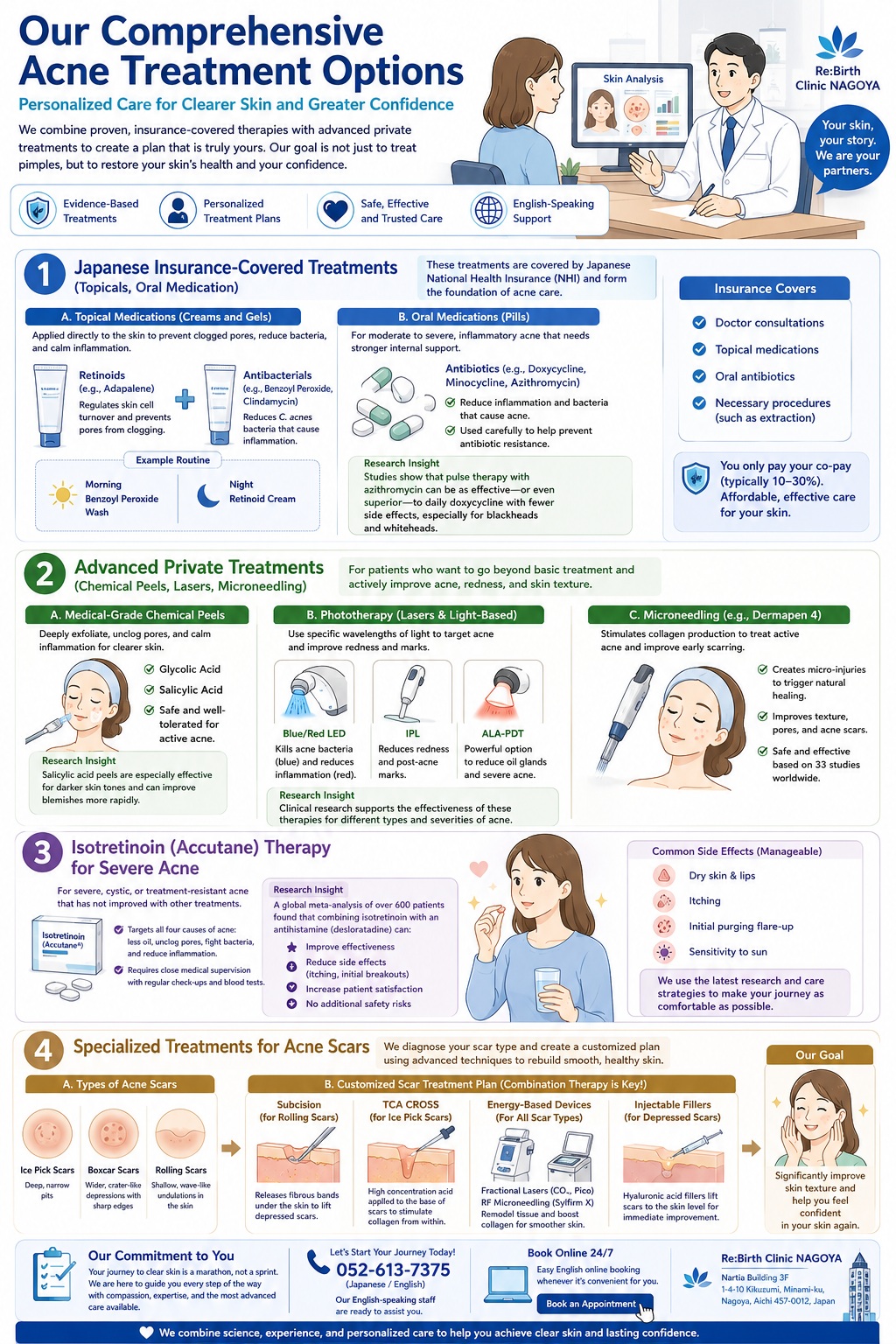
Treatment Costs and Insurance Information for Foreigners
We understand that navigating healthcare costs in a new country can add another layer of stress to the already difficult experience of dealing with acne. It’s a condition that goes far beyond the skin’s surface; research has clearly linked severe acne to increased anxiety and depression, profoundly impacting quality of life. Our commitment is to provide you with complete transparency regarding costs and clear, compassionate guidance on using your insurance. We want you to feel empowered and confident in your treatment plan, so you can focus on what truly matters: healing your skin and reclaiming your well-being.
Breakdown of Consultation and Treatment Fees
The cost of your acne care is a combination of two main categories: treatments covered by Japanese insurance and private medical treatments. We believe in a “no surprises” approach, ensuring you understand every detail of the costs before you commit to a plan.
To give you a clearer picture, let’s look at some real-world patient scenarios:
| Fee Category | Insurance-Covered (NHI/Social Insurance) | Private/Out-of-Pocket (Aesthetic & Advanced Care) |
|---|---|---|
| Consultation | Your initial consultation and all follow-up visits are covered. You will only pay your co-pay percentage (typically 10-30%). | For consultations focused only on cosmetic procedures, a separate private consultation fee may apply. |
| Medication | Prescriptions for foundational, evidence-based medications are covered. This includes topical retinoids (like Adapalene), antibacterials (like Benzoyl Peroxide), and oral antibiotics. | Specialized or advanced medications, such as Isotretinoin (Accutane), are considered private treatments in Japan. |
| Procedures | Medically necessary procedures, such as the extraction of large, painful comedones (clogged pores) by a doctor, are generally covered. | Procedures aimed at aesthetic improvement, such as Chemical Peels, Microneedling, and Laser Treatments for scars and texture, are private. |
| Example Scenario | A university student with painful, inflammatory acne on their cheeks comes for a visit. The consultation and prescription for a topical retinoid and an oral antibiotic are covered by NHI. Their out-of-pocket cost for the visit would be their 30% co-pay, often around ¥2,000 to ¥3,500. | An adult patient who has their active acne under control but is distressed by the remaining “ice pick” scars. They opt for a series of TCA CROSS treatments. This is a private procedure with a set fee for each session, which will be fully explained in advance. |
Many of our patients find the most success with a hybrid approach, using insurance-covered medication to control active breakouts while simultaneously investing in private treatments to address scarring and skin texture. We will partner with you to design a strategy that aligns with both your clinical needs and your budget.
Using Japanese National Health Insurance (NHI)
If you are enrolled in Japan’s National Health Insurance (NHI) or Social Insurance (Shakai Hoken), you have access to excellent, affordable care for your acne. In Japan, acne (acne vulgaris) is rightly recognized as an inflammatory skin disease, not merely a cosmetic inconvenience.
What does your insurance cover? Your NHI plan covers treatments that are medically proven to treat the underlying disease process. These are the foundational therapies recommended by dermatological guidelines worldwide:
- All Doctor’s Consultations: For diagnosis, treatment planning, and monitoring your progress.
- First-Line Prescription Medications: These are the powerful tools we use to stop acne at its source.
- Topical Retinoids (e.g., Adapalene, brand name Differin): This is a cornerstone of therapy. Think of it as a “regulator” for your skin cells, preventing them from sticking together and clogging your pores.
- Topical Antimicrobials (e.g., Benzoyl Peroxide): This agent directly targets the C. acnes bacteria that fuel red, painful pimples.
- Oral Antibiotics (e.g., Doxycycline, Minocycline): For moderate to severe inflammatory acne, oral antibiotics can be a critical step. Meta-analyses have shown they can reduce inflammatory lesions by approximately 58%.
As responsible physicians, we are also keenly aware of the global challenge of antibiotic resistance. Therefore, we use oral antibiotics strategically—often as a short-term “rescue” therapy to bring a severe flare-up under control—rather than as a continuous long-term solution. This ensures the medication remains effective when you need it most and protects your future health.
The key distinction to understand is that NHI is designed to treat the active disease. It does not cover procedures aimed purely at improving the aftermath of the disease, such as residual redness, post-inflammatory hyperpigmentation (dark spots), or established scars.
Private Insurance and English Documentation Support
For advanced treatments not covered by Japanese insurance, or for patients with private international insurance plans, we are fully equipped to provide support. This is especially relevant for our most powerful and transformative therapies.
While we cannot bill international insurance companies directly, we will provide you with all the official documentation you need, in English, to file a claim for reimbursement. Our support includes:
- Detailed Itemized Receipts: A clear, line-by-line breakdown of all charges for services and procedures.
- Medical Certificates : A formal doctor’s letter that outlines your specific diagnosis (e.g., “Severe nodulocystic acne”), details the treatments performed, and explains the medical necessity of those treatments to prevent permanent scarring and address the significant psychological distress associated with the condition.
A prime example is Isotretinoin (Accutane) therapy. In Japan, this highly effective oral medication for severe, treatment-resistant acne is a private, out-of-pocket treatment due to the intensive medical supervision it requires. If you and your doctor determine this is the best path forward, we will provide the comprehensive English documentation your private insurer needs to evaluate your claim. We strongly recommend contacting your insurance provider in advance to discuss their policy on reimbursing medications and treatments obtained abroad. We are here to help you gather the information you need for that conversation.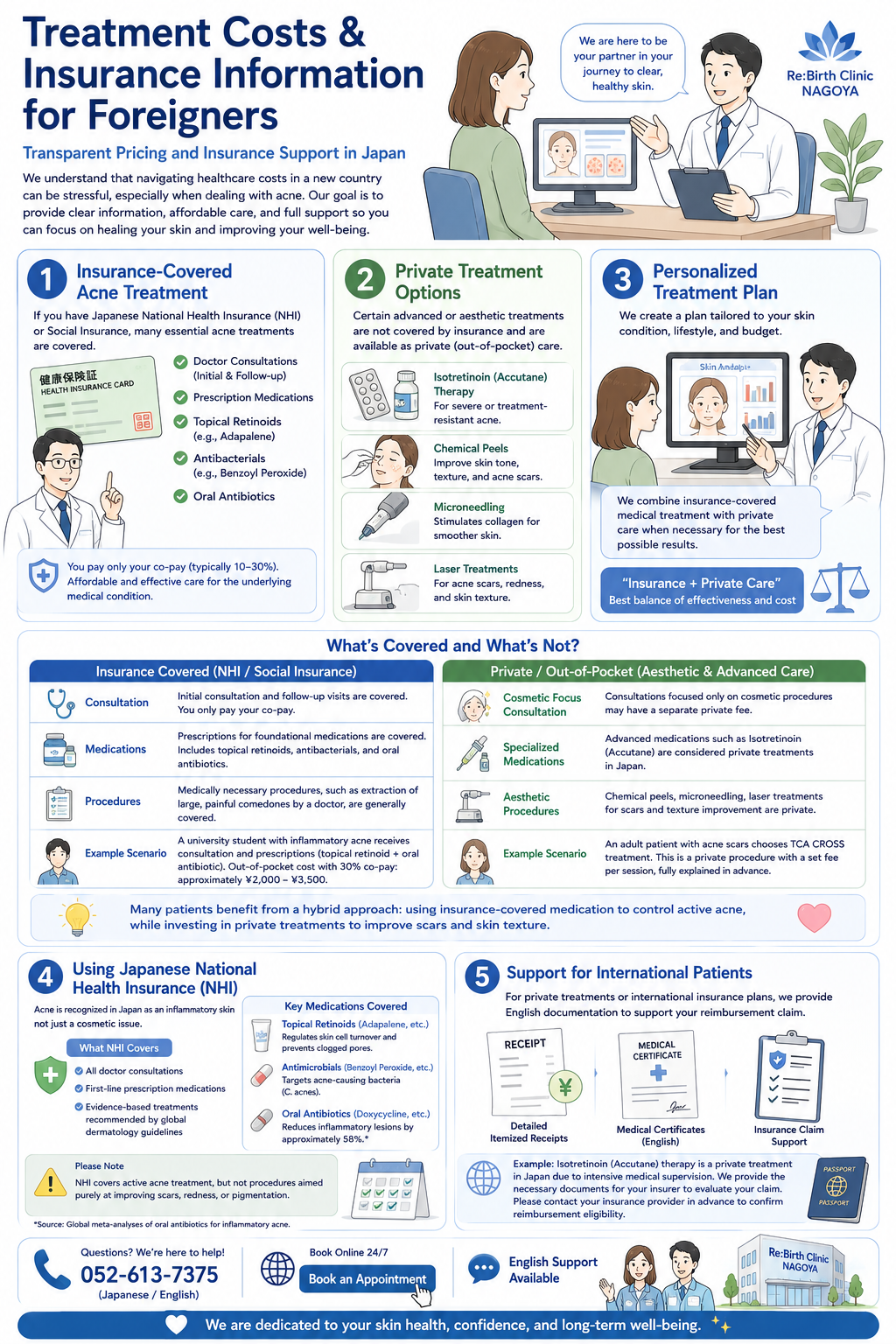
Your First Visit What to Expect at Our Clinic
We understand that taking the first step to seek professional help for acne can feel daunting, especially when you’re in a new country. Acne is far more than a simple skin problem; research confirms it’s a medical condition that can deeply affect your self-confidence, leading to significant anxiety and depression. Please know that if you are struggling, you are not alone. This condition affects approximately 85% of young people, and for many, it continues into adulthood. Your visit to our clinic is a courageous and pivotal step toward reclaiming your skin’s health and your peace of mind. Our entire English-speaking team is here to be your partner, providing expert, compassionate care in a supportive and judgment-free environment.
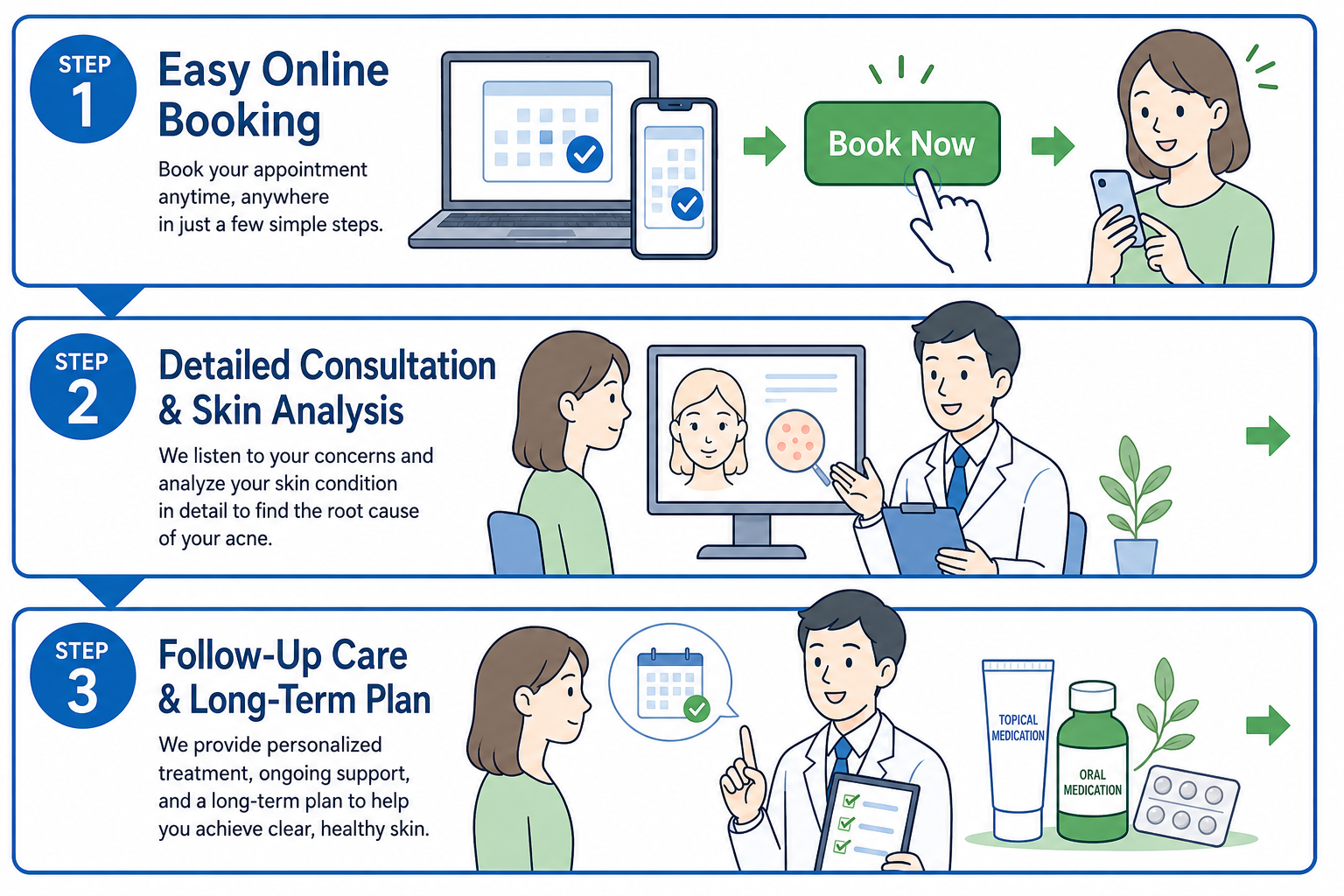
Step 1 Easy Online Booking in English
We believe that accessing healthcare should be simple and stress-free. To remove any barriers to getting the help you need, we have created a dedicated online booking system that is entirely in English. Available 24/7, you can access it from your computer or smartphone at any time that is convenient for you, allowing you to choose an appointment date and time without any language-related worries.
To begin your journey:
- Simply visit our clinic’s website.
- Navigate to the “Book Online” or “Reservations” section.
- Complete the secure English-language form with your information.
If you have questions or would prefer to schedule over the phone, our English-speaking reception staff are available during business hours to assist you. Taking that first step can be the hardest part, and we are committed to making it as smooth and welcoming as possible.
Step 2 Comprehensive Consultation and Skin Analysis
Your first appointment is a crucial “fact-finding mission.” This is where you and our board-certified plastic surgeon will work together to uncover the unique story behind your skin. The consultation begins with a thorough skin analysis. This goes far beyond a quick glance; the doctor will act as a detective, carefully examining your skin to make a precise diagnosis. As clinical guidelines emphasize, we classify acne based on several key factors:
- Lesion Type: Are we dealing primarily with clogged pores like whiteheads and blackheads (comedonal acne), red and painful pimples (inflammatory acne), or the deep, severe lumps of nodulocystic acne?
- Distribution and Severity: Where on the face or body is the acne appearing? How widespread is it?
- Presence of Scarring: Are there early signs of scarring or lasting marks like post-inflammatory hyperpigmentation (dark spots)?
This detailed classification is vital because it directly shapes your treatment plan. For instance, a plan for a student with mild comedonal acne on their forehead will be completely different from the plan for an adult with deep, painful cysts along their jawline that are at high risk for causing permanent scars.
We will then have an in-depth conversation about you. We’ll discuss your medical history, what treatments you’ve tried in the past, your daily skincare routine, stress levels, and your personal goals for treatment. Based on this complete picture, the doctor will explain what is happening with your skin, present a range of personalized, evidence-based treatment options, and ensure you understand the benefits and timeline for each. This is a partnership, and you will be an active participant in every decision we make.
Step 3 Follow-up Care and Long-term Management Plan
Achieving clear, healthy skin is a journey, not a single event. After your initial consultation, we will build a comprehensive, long-term management strategy tailored specifically for you. The goal is not just to treat the pimples you have today but to prevent future breakouts and actively manage any texture issues or scarring.
Your personalized plan is a dynamic strategy, which may include:
- First-Line Topical Medications: For many patients, we start with powerful, prescription-strength creams or gels. A cornerstone of modern acne therapy is the use of a topical retinoid (like Adapalene or Tretinoin). Think of it as a regulator that prevents your pores from getting clogged in the first place. Scientific studies have shown that a medication like Tretinoin can reduce acne lesions by over 60% in just 12 weeks.
- Systemic Oral Medications: When acne is more widespread and inflammatory, topical treatments may need support. In these cases, we may prescribe oral medications. Large-scale research (meta-analyses) has demonstrated that oral antibiotics can reduce painful, inflammatory lesions by nearly 60%, serving as an essential tool to bring a severe flare-up under control.
- Isotretinoin (Accutane) Therapy: For severe, persistent, or treatment-resistant acne, especially when there is a risk of permanent scarring or the condition is causing significant psychological distress, Isotretinoin is a transformative option. It is the single most effective medication for acne, but it requires a dedicated partnership between you and your doctor with close monitoring.
We will schedule regular follow-up appointments to track your progress, celebrate your successes, and make any necessary adjustments to your treatment plan. Your skin will change and improve throughout the process, and our role is to guide you every step of the way. Our ultimate objective is to not only clear your skin but also to empower you with a simple, sustainable maintenance routine so you can feel confident and in control of your skin for life.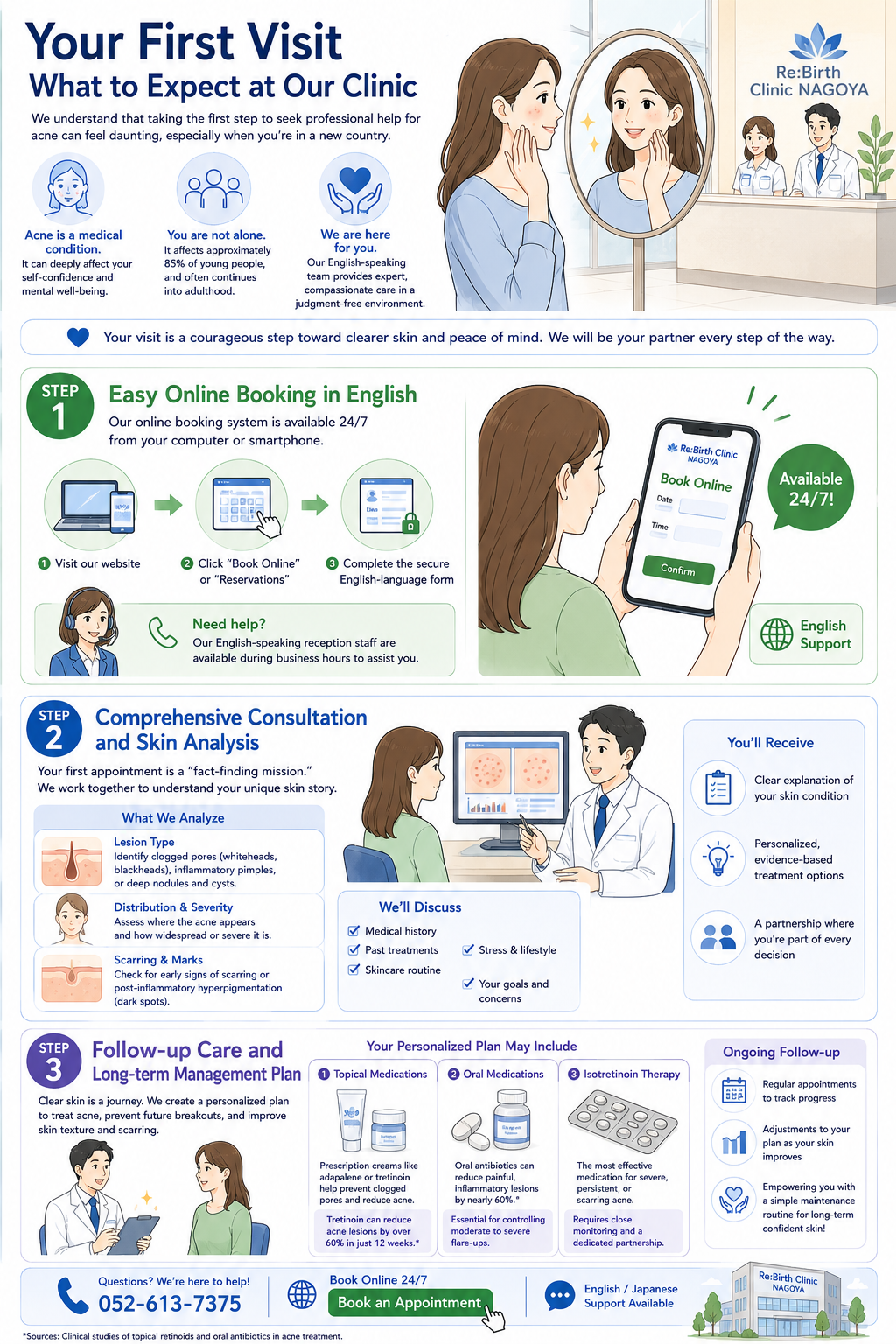
Access and Contact Information
Taking the first step to seek professional help is often the most difficult, yet most powerful, part of the journey to clear skin. We understand that living with acne is a heavy burden. It’s not about vanity; it’s about well-being. Research confirms what so many feel: acne is a significant medical condition linked to anxiety and depression, affecting an estimated 85% of people between the ages of 12 and 24, and often persisting into adulthood. If you feel like you’ve been fighting this battle alone, please know you are not. The information below is designed to make your next step—visiting our clinic—as simple and stress-free as possible. We are here to be your partners in reclaiming your skin and your confidence.
Clinic Location and Directions in Nagoya
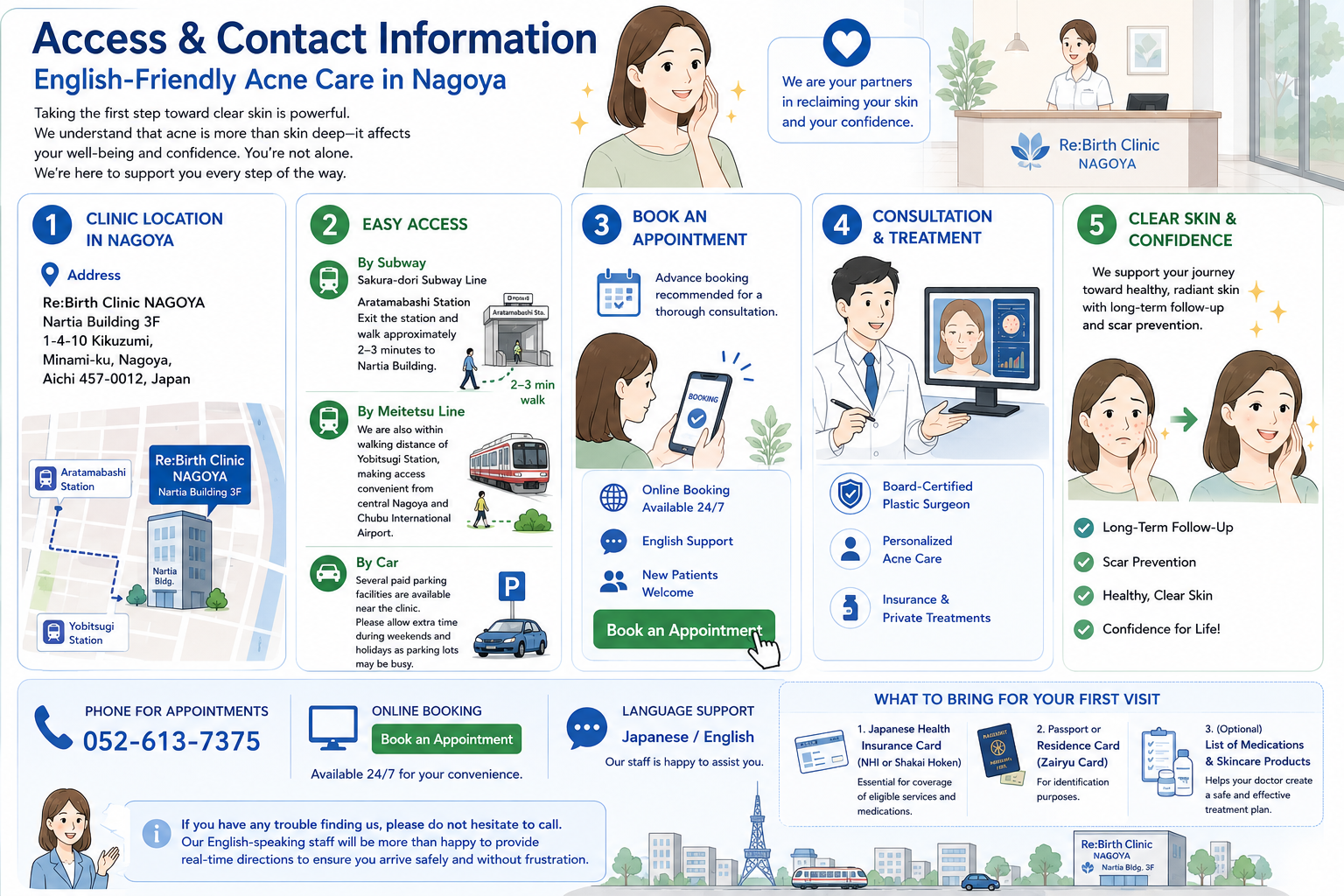
Our clinic is conveniently located in Minami Ward, Nagoya, with easy access by train and car. Whether you are living in Nagoya, visiting from another city, or traveling from overseas, we strive to make your visit as smooth and stress-free as possible.
Address: ddress
Re:Birth Clinic NAGOYA
Nartia Building 3F
1-4-10 Kikuzumi, Minami-ku, Nagoya, Aichi 457-0012, Japan
| Transportation | Directions |
|---|---|
| By Subway | The clinic is just a short walk from Aratamabashi Station on the Sakura-dori Subway Line. Exit the station and walk approximately 2–3 minutes to Nartia Building. |
| By Meitetsu Line | We are also within walking distance of Yobitsugi Station, making access convenient from central Nagoya and Chubu International Airport. |
| By Car | Several paid parking facilities are available near the clinic. If you are driving, please allow extra time during weekends and holidays as nearby parking lots may become busy. |
If you have any trouble finding us, please do not hesitate to call. Our English-speaking staff will be more than happy to provide real-time directions to ensure you arrive safely and without frustration.
Business Hours and Contact Details
Your journey to healthier skin requires a dedicated partnership, which is why we insist on advance bookings. This ensures we can allocate the proper amount of time for a thorough consultation and analysis, not a rushed visit. Your first appointment is an in-depth session where we lay the foundation for your long-term success.
Clinic Hours: Our hours are structured to accommodate a variety of schedules. Please note that, like most specialty clinics in Japan, we are closed on Wednesdays, Sundays, and national holidays.
| Day | Morning | Afternoon |
|---|---|---|
| Mon, Tue, Wed, Fri | 9:00 AM – 12:30 PM | 12:30 PM – 6:00 PM |
| Thurs | Closed | Closed |
| Sat,Sun | 9:00 AM – 12:30 PM | 12:30 PM – 6:00 PM |
Contact Information & Booking:
- Phone for Appointments: [012-613-7375] (Our reception staff speaks Japanese/English and is ready to assist you.)
- Online Booking: [Book an Appointment] (Available 24/7 for your convenience.)
When you make your appointment, please let us know you are a new patient. For your first visit, we kindly ask you to bring the following:
- Your Japanese Health Insurance Card (NHI or Shakai Hoken): This is essential for us to cover all eligible services, including the doctor’s consultation and foundational prescription medications like topical retinoids or oral antibiotics, which are the cornerstones of effective acne treatment.
- Your Passport or Residence Card (Zairyu Card): For identification purposes.
- (Optional but Recommended) A list of your current medications and skincare products: Bringing a list (or even photos on your phone) of what you are currently using helps your doctor create a safe and effective plan that avoids negative interactions and builds on what may already be working.
Summary
In this article, we’ve detailed how a board-certified plastic surgeon provides comprehensive, English-supported acne care in Nagoya. We understand that dealing with persistent acne and the scars it can leave behind is a frustrating and often isolating experience that can deeply affect your self-confidence.
Our approach goes beyond just treating pimples. As “skin architects,” we combine foundational, insurance-covered medications with advanced private options like lasers, microneedling, and Isotretinoin. This allows us to create a personalized plan that not only clears active breakouts but also reconstructs your skin’s health and texture from the ground up.
You don’t have to navigate this journey alone. If you are struggling with your skin and feel uncertain about the next steps, please know that expert, compassionate help is available. We are here to partner with you on your path toward clear, healthy, and confident skin. Don’t hesitate to book a consultation with us today.
References
- Gong J, Zhang J, Li Y, Jiang H, Chen S, Cheng J, et al. Traditional Chinese medicine in acne treatment: From classical formulas to bioactive phytoconstituents and mechanisms. J Ethnopharmacol. 2026;367:121786.
- Piraccini BM, Micali G, Fulgione E, Guida S, Caldarola G. Experts’ view on the management of scalp seborrheic dermatitis in Italy. J Dermatol Treat. 2026;37(1):2644012.
- Batool A, Abbas MS, Ali Akbar M, Murtaza M, Mahin FE, Ali U, et al. Comparative efficacy and safety of oral azithromycin versus doxycycline in moderate-to-severe Acne vulgaris: a systematic review and meta-analysis. J Dermatol Treat. 2026;37(1):2648406.
- Alrubaiaan MT, Bajamaan R, Altuwaijri AM, Alsenidi R, Almarzoq MS, Alashgar TM, et al. Oral isotretinoin plus desloratadine for acne vulgaris: an updated global meta-analysis of efficacy, safety, and patient-centered outcomes. J Dermatol Treat. 2026;37(1):2644003.
- Ren X, Ge L, Song Z. Phototherapy for Acne Vulgaris: Strategies and Clinical Applications in Sebum Modulation, Inflammation Control, and Scar Management. Photobiomodul Photomed Laser Surg. 2026;44(6):345-358.


